Photography
Leica D-Lux 8 Digital Camera: A Comprehensive Review
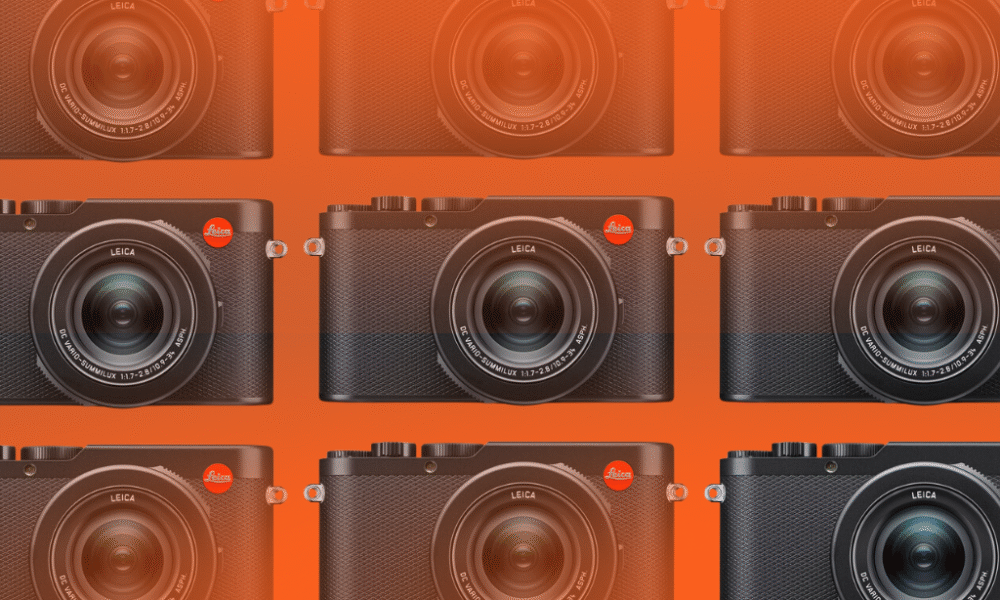
The Leica D-Lux 8 represents the latest iteration in Leica’s renowned compact camera line, offering photographers a sophisticated blend of premium build quality, exceptional optics, and modern computational photography features. As someone who has spent considerable time with this camera, I can confidently say it occupies a unique position in today’s digital camera market—one that prioritizes quality, craftsmanship, and photographic excellence over the endless megapixel race that dominates consumer electronics.
Design and Build Quality
From the moment you unbox the D-Lux 8, the Leica heritage becomes immediately apparent. The camera exudes a sense of solidity and precision that feels increasingly rare in our age of disposable electronics. Constructed with a magnesium alloy body wrapped in textured leatherette, the D-Lux 8 weighs approximately 340 grams without the battery, giving it a reassuring heft that speaks to its quality without becoming burdensome during extended shooting sessions.
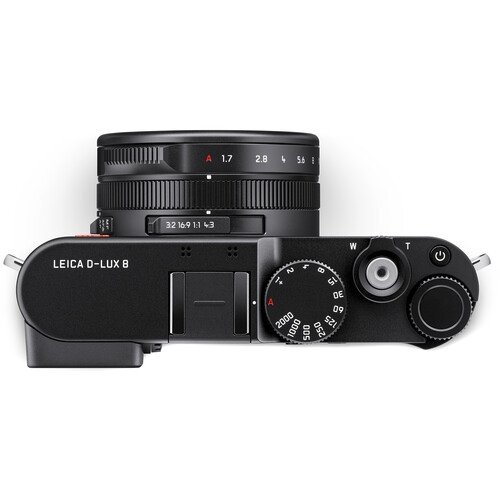
The camera’s design philosophy clearly emphasizes manual control and tactile feedback. The top plate features a dedicated exposure compensation dial, a mode dial with clearly defined positions, and a beautifully knurled lens ring that rotates with perfectly damped resistance. These physical controls eliminate the need to dive into menus for fundamental photographic adjustments, allowing you to maintain focus on composition and timing rather than navigating digital interfaces.
The grip, while relatively modest in size, provides adequate purchase for secure handling. The textured thumb rest on the rear complements the front grip nicely, creating a stable three-point hold. For photographers with larger hands, the optional hand grip accessory might prove worthwhile, though I found the stock configuration perfectly serviceable for my shooting style.

Optical Performance
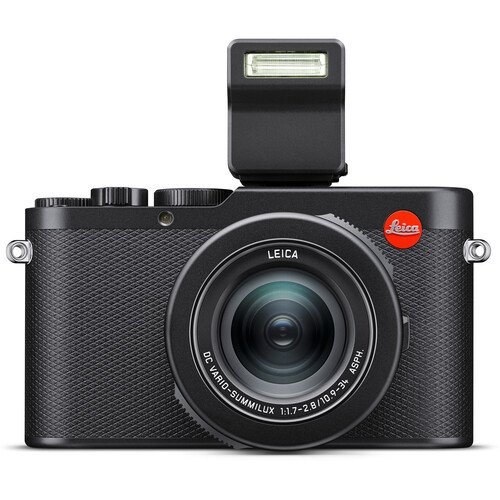
At the heart of the D-Lux 8 lies a Leica DC Vario-Summilux lens with a focal range equivalent to 24-75mm in full-frame terms and a fast maximum aperture of f/1.7-2.8. This lens represents one of the camera’s most significant strengths. The optical formula delivers consistently sharp images across the zoom range, with excellent control of chromatic aberration and distortion.
The wide f/1.7 aperture at the 24mm equivalent proves particularly valuable for low-light photography and achieving pleasing background separation, even with the relatively small sensor. I was genuinely impressed by the lens’s ability to render smooth bokeh when shooting portraits or detail shots at close distances. The minimum focusing distance of just 3 centimeters in macro mode opens up fascinating possibilities for intimate product photography, food documentation, or exploring the miniature worlds that surround us daily.
Optical image stabilization works effectively to counteract camera shake, allowing for sharp handheld shots at shutter speeds that would typically produce blur. During my testing, I consistently achieved sharp images at shutter speeds two to three stops slower than I would normally attempt without stabilization.
Image Quality
The D-Lux 8 employs a Four Thirds sensor with a resolution that balances detail capture with pixel-level performance. While specification-focused consumers might fixate on megapixel counts, the D-Lux 8 demonstrates that image quality encompasses far more than raw resolution. The sensor, combined with Leica’s image processing, produces files with pleasing color science, excellent dynamic range, and well-controlled noise characteristics.
Colors straight out of camera possess a natural, film-like quality that many photographers will appreciate. Unlike some competitors that oversaturate to wow inexperienced users, the D-Lux 8 delivers colors that feel authentic and provide excellent latitude for post-processing adjustments. The standard color profile works beautifully for most situations, while the monochrome mode produces genuinely compelling black-and-white images with rich tonal gradations that honor Leica’s legendary monochrome heritage.
High ISO performance proves surprisingly capable for a compact camera. Images remain clean and detailed through ISO 1600, with noise becoming more visible but manageable through ISO 3200. Even at the highest sensitivity settings, the noise character retains a fine-grained quality that many photographers find more aesthetically pleasing than the blotchy, color-splotched noise patterns some cameras produce.
The camera’s dynamic range deserves particular mention. The sensor captures an impressive latitude of tones, preserving detail in both highlights and shadows that provides substantial flexibility during post-processing. This characteristic proves especially valuable when shooting high-contrast scenes or when exposure compromises become necessary in challenging lighting conditions.
Autofocus and Performance
The autofocus system incorporates contrast-detection with depth-from-defocus technology, delivering quick and accurate focusing in most shooting scenarios. Face and eye detection work reliably for portrait photography, while the touchscreen interface allows for intuitive focus point selection by simply tapping your desired focus area.
In good lighting conditions, the autofocus responds nearly instantaneously, allowing you to capture fleeting moments without frustration. Performance does slow somewhat in dim environments, as expected with contrast-detection systems, though the built-in AF assist lamp helps when shooting nearby subjects in darkness.
Continuous shooting capabilities reach approximately 11 frames per second with continuous autofocus, sufficient for capturing moderate action or ensuring you nail the perfect expression during portrait sessions. Buffer depth proves adequate for most real-world applications, though photographers accustomed to professional sports cameras will need to moderate their expectations accordingly.
Video Capabilities
The D-Lux 8 offers comprehensive video recording options, including 4K resolution at various frame rates. Video quality impresses with the same excellent color science and sharpness that characterizes the camera’s still photography. The five-axis hybrid image stabilization for video proves particularly effective, producing smooth footage even when shooting handheld while walking.
Audio recording through the built-in stereo microphones delivers acceptable quality for casual use, though serious videographers will appreciate the external microphone input that allows for professional-grade audio capture. Headphone monitoring through the USB-C port enables real-time audio evaluation during recording.
The camera includes useful video features like focus peaking, zebras for exposure monitoring, and various creative picture styles that can dramatically alter the mood and aesthetic of your footage. Time-lapse and stop-motion capabilities expand creative possibilities for filmmakers willing to explore these techniques.
User Interface and Handling
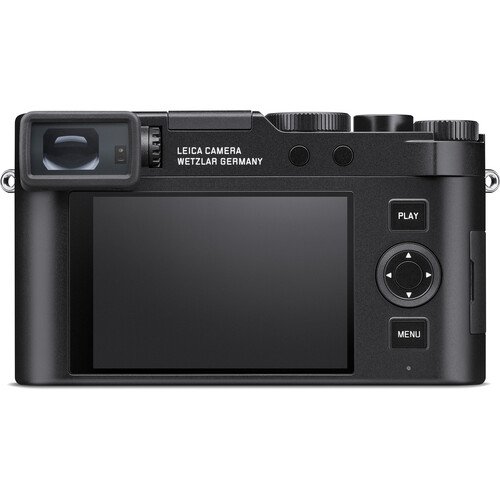
Leica has crafted an interface that balances accessibility for newcomers with the depth demanded by experienced photographers. The touchscreen interface responds smoothly to inputs and provides an intuitive method for navigating menus and adjusting settings. The menu structure, while comprehensive, maintains logical organization that helps you locate specific functions without excessive hunting.
Physical controls complement the touchscreen beautifully. The exposure compensation dial sits perfectly positioned for thumb adjustment without removing your eye from the viewfinder. The lens control ring can be customized to adjust various parameters, including manual focus, aperture, or zoom, depending on your shooting mode and preferences.
The electronic viewfinder, while not the largest available, provides adequate resolution and refresh rate for comfortable composition. The eye sensor automatically switches between the EVF and rear screen based on proximity detection, working reliably in practice. For photographers who prefer optical viewfinders, the EVF may require an adjustment period, though the benefits of real-time exposure preview and focus magnification quickly demonstrate their value.
Connectivity and Workflow
Modern connectivity features include Wi-Fi and Bluetooth for wireless image transfer and remote camera control through Leica’s smartphone application. The app functions reasonably well, allowing for basic remote shooting and convenient image downloading to mobile devices for quick sharing on social platforms.
The USB-C port serves multiple functions, including battery charging, data transfer, and even serving as a webcam connection for video conferencing applications. This versatility eliminates the need to remove the battery for charging and simplifies cable management when traveling.
Battery Life
Battery performance provides sufficient capacity for a full day of moderate shooting, typically yielding between 300-400 shots per charge depending on usage patterns. The ability to charge via USB-C means you can replenish power using portable battery banks, laptop connections, or car chargers during travel, significantly enhancing the camera’s practical utility for extended adventures.
Value Proposition
The D-Lux 8 occupies premium pricing territory that will undoubtedly give some photographers pause. However, evaluating the camera purely through a specifications-per-dollar lens misses the broader picture of what Leica offers. This camera represents an investment in build quality that should provide reliable service for many years, optical excellence that honors Leica’s legendary standards, and an integrated shooting experience that prioritizes the craft of photography over technical gimmickry.
For photographers who value tactile controls, exceptional optics, and the satisfaction that comes from using beautifully engineered tools, the premium asks feels justified. Conversely, those primarily concerned with maximizing specifications relative to cost will find compelling alternatives that deliver more megapixels, faster burst rates, or longer zoom ranges for less money.
Final Thoughts
The Leica D-Lux 8 succeeds brilliantly at its intended purpose: providing a compact, capable camera that delivers exceptional image quality and handling for photographers who appreciate craftsmanship and optical excellence. It represents the antithesis of the disposable camera culture, offering instead a tool designed for longevity, quality, and the pure joy of making photographs.
This camera excels as a travel companion, street photography tool, or everyday carry camera for enthusiasts who want professional-grade image quality without the bulk of interchangeable lens systems. The fast lens, excellent image quality, and comprehensive manual controls create a package that encourages photographic exploration and creative expression.
The D-Lux 8 isn’t perfect—no camera is. The premium pricing may prove prohibitive for budget-conscious photographers, autofocus performance in low light trails the latest phase-detection systems, and the fixed lens design eliminates the flexibility that interchangeable lens systems provide. However, within its intended niche, the D-Lux 8 performs admirably and offers an experience that transcends mere specifications.
For photographers seeking a premium compact camera that prioritizes image quality, build excellence, and photographic craft over feature-list bragging rights, the Leica D-Lux 8 deserves serious consideration. It represents a thoughtful evolution of the compact camera concept, proving that in an age of smartphone dominance, there remains a compelling case for dedicated cameras that honor the art and discipline of photography.


Read all our amazing Photography Reviews here