Photography
PolarPro LightLeak 28mm f/11 Lens: A Creative Tool for Intentional Imperfection
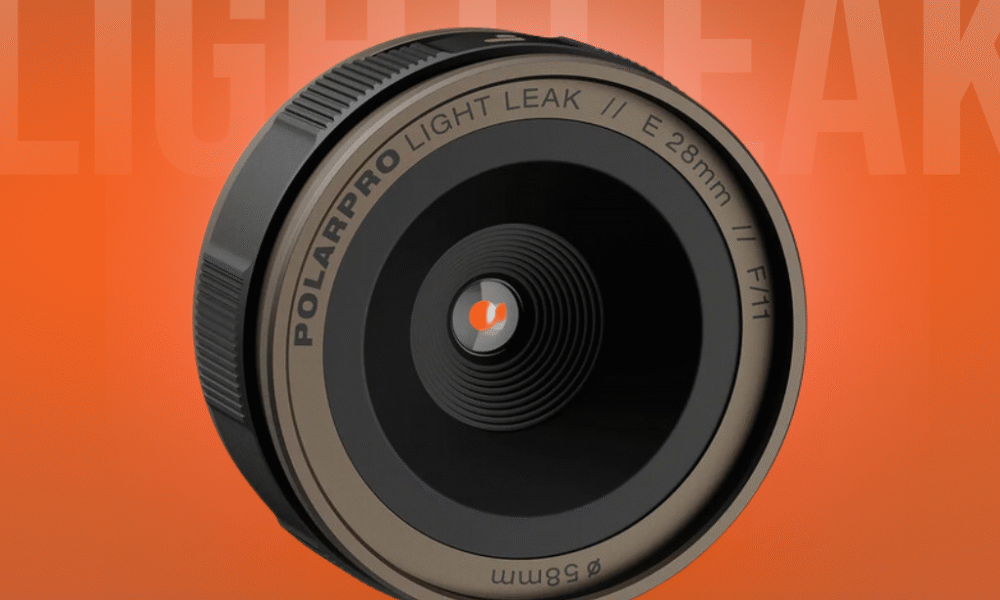
In an age where lens manufacturers obsessively pursue optical perfection—eliminating every trace of aberration, flare, and distortion—PolarPro has taken a refreshingly contrarian approach with their LightLeak series. The LightLeak 28mm f/11 lens deliberately embraces the imperfections that engineers typically spend careers trying to eliminate. This isn’t a lens for pixel-peepers or technical perfectionists; it’s a creative instrument designed to inject character, atmosphere, and a distinctly analog aesthetic into digital photography.
Build Quality and Design
The PolarPro LightLeak 28mm feels substantial in hand, with an all-metal construction that exudes quality. The lens barrel features a beautifully machined design with smooth focus and aperture rings that provide tactile feedback without being overly stiff. At approximately 200 grams, it strikes a nice balance—hefty enough to feel premium but light enough for all-day shooting without fatigue.
The lens is available in multiple mount options, including Sony E, Fujifilm X, Micro Four Thirds, and Canon RF, making it accessible to a wide range of mirrorless camera users. The compact form factor means it doesn’t overwhelm smaller camera bodies, and the 49mm filter thread is a common size that won’t require you to purchase new filters if you already have a collection.
One particularly thoughtful design element is the aperture ring, which clicks confidently at each stop. While the lens is fixed at f/11, having a physical ring adds to the tactile, deliberate shooting experience that this lens encourages. The focus ring operates smoothly through its range, though given the creative nature of this lens, precise focus becomes less critical than composition and light management.

Optical Characteristics: Embracing the Flaws
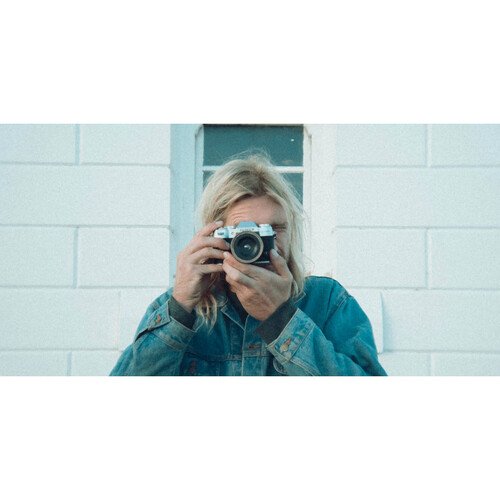
Here’s where the LightLeak 28mm reveals its true purpose. This lens is engineered to produce what most manufacturers would consider optical defects. Light leaks, heavy vignetting, unpredictable flares, and soft edges aren’t bugs—they’re features. Understanding this philosophy is crucial to appreciating what PolarPro has created.
The fixed f/11 aperture might seem limiting at first glance, but it serves multiple purposes. First, it ensures a deep depth of field, keeping most scenes acceptably sharp from near to far. Second, it helps manage the intentional optical aberrations, keeping them controlled enough to be usable while still prominent. Third, it forces you to think differently about exposure, often requiring slower shutter speeds or higher ISOs that can add their own character to images.
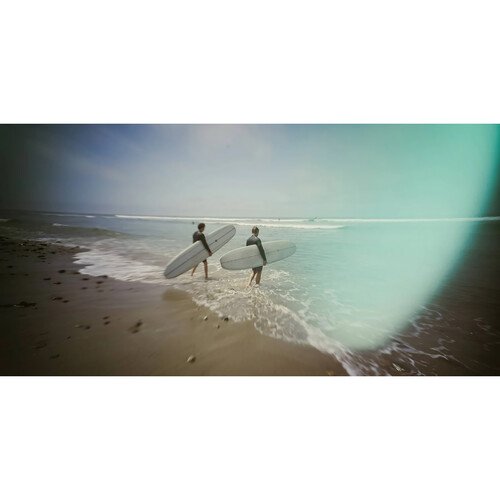
The signature light leaks manifest in various ways depending on your light source and shooting angle. Shoot toward the sun or bright lights, and you’ll get dramatic flares, color shifts, and ethereal streaks across your frame. The effect is reminiscent of shooting with vintage lenses or deliberately damaged optics, creating images that feel lifted from another era. These characteristics aren’t uniform or predictable, which is part of the charm—each scene presents unique opportunities for creative light play.
Vignetting is pronounced, with the corners of the frame falling off into darkness in many situations. This naturally draws the eye toward the center of the composition and adds a dreamy, almost voyeuristic quality to images. The effect varies based on your subject and lighting conditions, giving you some room for creative control while maintaining that distinctive look.

Image Quality and Sharpness
Discussing “image quality” with the LightLeak 28mm requires reframing traditional metrics. By conventional standards, this lens is soft, particularly at the edges. Chromatic aberration is present, flare is abundant, and contrast can be washed out. But these characteristics are intentional, and when embraced rather than fought against, they create a distinctive aesthetic that’s difficult to replicate in post-processing.
The center sharpness at f/11 is actually quite respectable when shooting at optimal focus distances. Your main subject can be rendered with enough clarity to be recognizable and engaging while the surrounding areas drift into softer, more atmospheric territory. This combination of relative sharpness at the center and deterioration toward the edges creates natural separation between subject and environment.
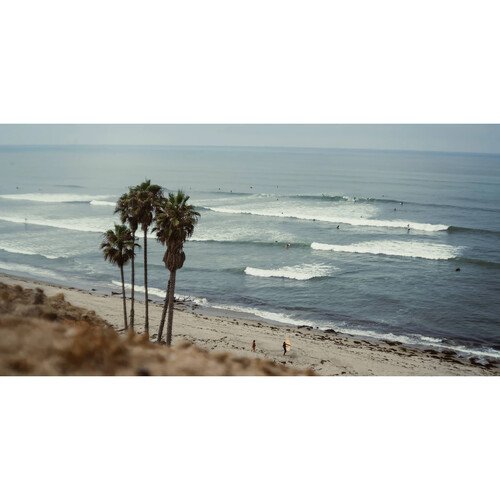
Color rendering has a unique quality—images often have a slightly desaturated, vintage film-like palette that works beautifully for certain subjects. Skin tones can take on a nostalgic warmth, while landscapes gain an otherworldly, timeless quality. The lens seems to excel in golden hour and dusk lighting, where the warm ambient light interacts beautifully with the lens’s optical quirks.
Practical Shooting Experience
Using the LightLeak 28mm requires a shift in mindset. This isn’t a lens for capturing technically perfect images of your family vacation or product photography. Instead, it shines in creative, artistic applications: street photography with a vintage vibe, moody portraits, atmospheric landscapes, experimental architecture work, and music or event photography where a grainy, authentic feel enhances rather than detracts from the story.
The fixed f/11 aperture means you’ll need adequate light or a camera with good high-ISO performance. In bright daylight, you’re golden. Indoors or in lower light, you’ll be pushing your camera’s sensitivity, which can actually enhance the gritty, film-like aesthetic this lens produces. Many photographers find that pairing this lens with a bit of digital grain creates images that are nearly indistinguishable from film photography.
The 28mm focal length is versatile—wide enough for environmental shots and storytelling compositions but not so wide that it becomes difficult to manage distortion or fill the frame effectively. It’s a classic focal length that feels natural for both documentary and creative work.
Manual focus only operation means you need to slow down and be deliberate with your shooting. There’s no autofocus to rely on, which can be liberating once you embrace it. The f/11 aperture helps here, as the deep depth of field provides a generous margin for focus error. For many subjects, you can simply set the focus to a moderate distance and shoot, knowing that most of your scene will be acceptably sharp.
Creative Applications and Limitations
The LightLeak 28mm truly excels when you lean into its character rather than fighting it. Portrait photographers can create dreamy, romantic images with the soft edges and potential light leaks adding atmosphere that would be difficult and time-consuming to create in Photoshop. The key is positioning your subject where the lens performs best—typically in the center to center-third of the frame—and using the degraded edges as a creative element rather than a flaw.
For street photography, the lens encourages a documentary, photojournalistic approach. The vintage aesthetic it imparts makes contemporary scenes feel timeless, and the visual quirks add an authentic, unpolished quality that can enhance narrative storytelling. The compact size and manual operation also make for a discreet, contemplative shooting experience.
However, this lens isn’t for everyone or every situation. If you need clinical sharpness, accurate color reproduction, or reliability in controlled shooting environments, look elsewhere. The LightLeak 28mm is fundamentally a creative tool, not a workhorse. You wouldn’t choose it for commercial work, technical documentation, or any situation where optical perfection is the goal.
The fixed aperture also limits its versatility. You can’t open up for subject isolation or close down for maximum sharpness. You get f/11, and you work within that constraint. Similarly, the inability to control the light leaks and flares means you need to be comfortable with unpredictability. Sometimes you’ll get magical, unrepeatable results; other times, the effects might be too subtle or too overwhelming for your vision.
Value Proposition
Priced in the mid-range for specialty lenses, the LightLeak 28mm isn’t cheap, but it’s not prohibitively expensive either. The question becomes whether the unique aesthetic it provides is worth the investment. For photographers looking to expand their creative toolkit or those specifically drawn to vintage, analog aesthetics in their work, the answer is likely yes.
Consider that achieving similar effects through vintage lenses often involves hunting through used camera stores, dealing with unpredictable quality, and adapting old glass to modern mounts—often with mixed results. The LightLeak 28mm provides a controlled, repeatable version of these aesthetic qualities with modern build quality and proper communication with your camera body.
Additionally, while you can attempt to recreate these effects in post-processing, there’s something about capturing them optically that feels more authentic and organic. The way light actually behaves through this lens creates characteristics that are difficult to fake convincingly with filters or software.
Conclusion
The PolarPro LightLeak 28mm f/11 lens is a successful execution of a singular vision: bringing analog imperfection to digital photography. It won’t replace your sharp primes or versatile zooms, but it offers something those lenses can’t—a distinctive, characterful aesthetic that feels increasingly rare in modern photography.
This lens is best suited for photographers who understand and appreciate its limitations, who see those limitations not as defects but as defining characteristics that enable a specific creative vision. If you’re drawn to the look of vintage film photography, if you find modern digital images too clinical and perfect, or if you simply want to inject more character and unpredictability into your work, the LightLeak 28mm deserves serious consideration.
It’s a lens that rewards experimentation and punishes perfectionism. It encourages you to see light differently, to embrace the unexpected, and to find beauty in imperfection. In a market saturated with technically excellent but visually similar lenses, the LightLeak 28mm stands out by zigging where others zag, making it a valuable tool for creative photographers willing to work with its unique character.


Read all our amazing Photography Reviews here