Photography
The Canon PowerShot ELPH 360 HS: A Deep Dive into the Pocket-Sized Powerhouse
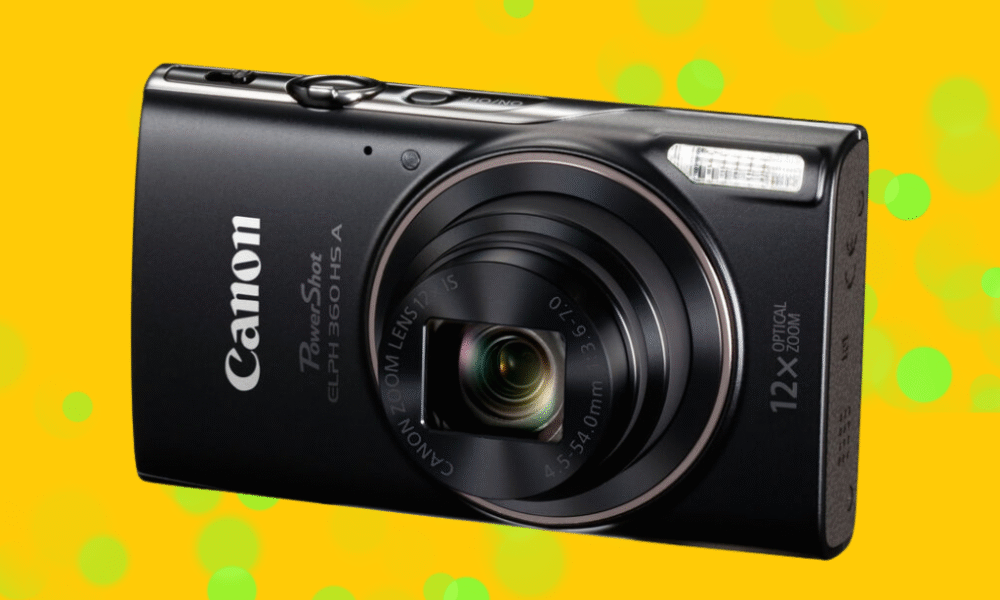
The Canon PowerShot ELPH 360 HS, a stalwart of the compact point-and-shoot category, was released at a pivotal time when the lines between smartphone photography and dedicated cameras were beginning to blur. Positioned as a stylish, highly portable solution, the ELPH 360 HS promised to deliver superior zoom capability and image quality that the average smartphone of its era couldn’t match, all while maintaining the simplicity beloved by casual photographers. Even years after its release, it remains a popular choice for those seeking a reliable, discreet camera for travel, parties, and everyday documentation without the bulk of a mirrorless or DSLR system.
This review delves into the intricate balance of its 20.2-megapixel sensor, 12x optical zoom, and intelligent stabilization system, assessing whether this sleek shooter still holds its relevance and value in a market saturated with high-end smartphone cameras.

Design, Ergonomics, and the Pursuit of Portability
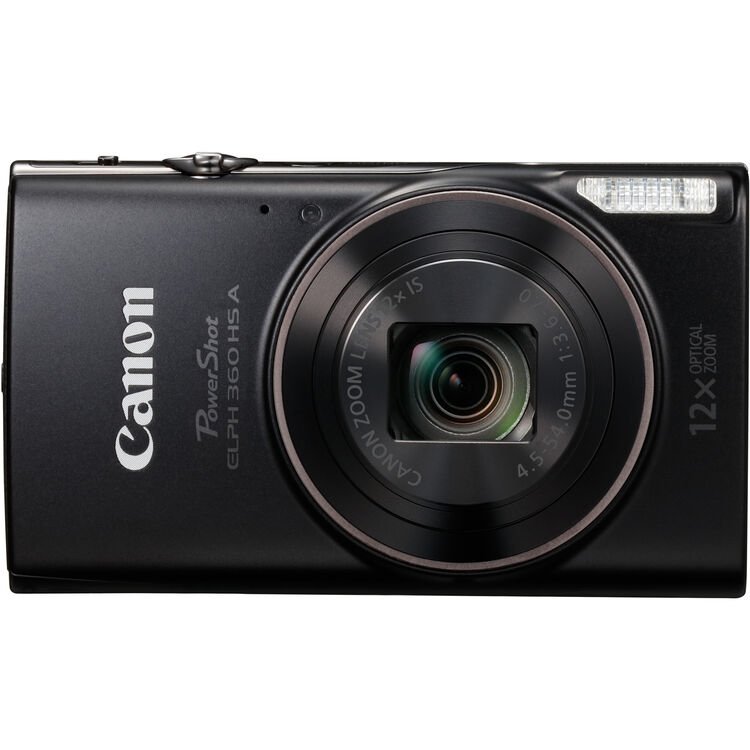
The first and most striking feature of the ELPH 360 HS is its physical form factor. Measuring just 3.9 x 2.3 x 0.9 inches (99.8 x 57.1 x 22.8mm) and weighing approximately 5.1 ounces (147g) including battery and card, this camera is defined by its pocketability. It is genuinely slim enough to disappear into a jeans pocket or a small clutch bag, fulfilling the core requirement of the “ELPH” lineage (Elegant, Lightweight, Photographic).
The construction is predominantly plastic, which contributes to its light weight, though it doesn’t feel flimsy. Its finish—available in various colors—is smooth and visually appealing, adhering to a minimalist aesthetic. Ergonomically, the design prioritizes simplicity. There is no major grip protrusion, relying instead on the slight texture and small size to allow a secure hold.
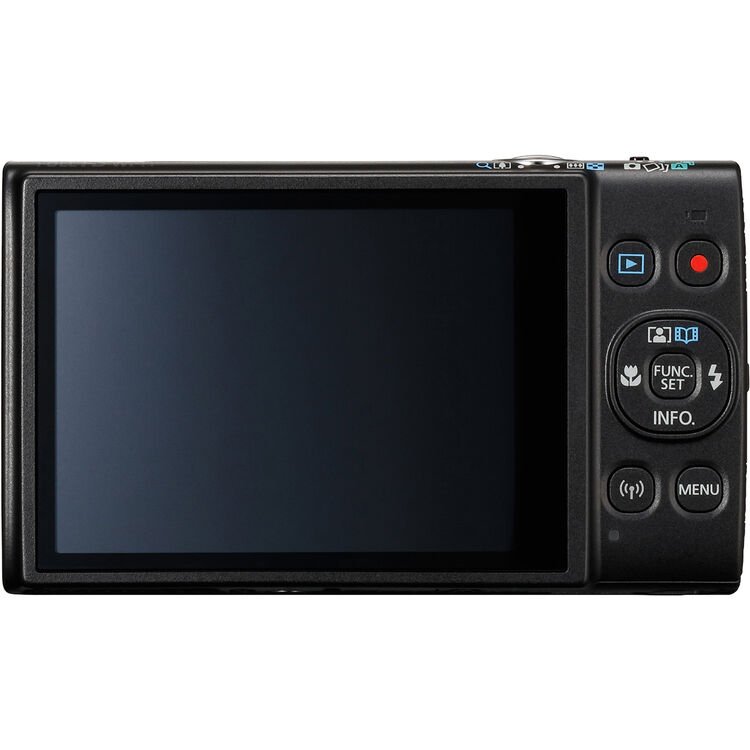
Control Layout: The controls are sparse and intuitive, making it highly accessible for beginners. The top plate houses only the power button, the shutter button with an integrated zoom rocker, and a dedicated Mobile Device Connect button. The rear is dominated by the large, fixed 3-inch LCD screen (approximately 461,000 dots), which, while not touch-sensitive or articulating, is bright enough for most conditions. The four-way directional pad handles menu navigation, flash settings, and display mode, keeping interaction smooth and fast. The simplicity of the control scheme ensures that users spend less time fumbling with settings and more time capturing moments, aligning perfectly with its point-and-shoot philosophy.
Core Imaging Technology: The HS System and Processor
At the heart of the ELPH 360 HS is the Canon HS SYSTEM. This system is comprised of two key components: the 20.2 Megapixel High-Sensitivity CMOS sensor and the DIGIC 4+ Image Processor.
20.2 Megapixel CMOS Sensor: The sensor is a 1/2.3-inch type, a standard size for compact cameras. While physical size limits ultimate light-gathering capability compared to larger formats, the “High-Sensitivity” nomenclature indicates that Canon has prioritized pixel quality and noise reduction performance, particularly in sub-optimal lighting. A 20.2MP resolution provides plenty of detail for standard printing and aggressive cropping, but the real benefit of the CMOS over older CCD sensors is the improved speed and superior signal-to-noise ratio in low light. The sensor’s back-illuminated design helps capture more light, making the camera perform respectably in evening or indoor scenarios where a basic smartphone might struggle with excessive digital noise.
DIGIC 4+ Image Processor: This is where the camera shows its age. The DIGIC 4+ processor, while efficient, is several generations older than Canon’s contemporary DIGIC 8. It handles all computational tasks: noise reduction, color processing, lens corrections, and shooting speed. Its primary limitation is seen in burst shooting speed and video capabilities (capped at 1080p Full HD rather than 4K). However, for casual use, the processor is optimized to deliver Canon’s trademark rich, accurate color science and reliable exposure metering, ensuring pleasing JPEGs straight out of the camera. The efficiency of the DIGIC 4+ is also a factor in its decent battery life.

The Versatile Lens System: 12x Optical Zoom and Intelligent IS
The most compelling reason to choose a camera like the ELPH 360 HS over a smartphone is its 12x Optical Zoom lens. This lens offers a highly versatile focal range equivalent to 25–300mm in 35mm terms.
- 25mm Wide Angle: Excellent for expansive landscapes, group photos in tight spaces, and architectural shots. It offers a field of view significantly wider than many compact rivals.
- 300mm Telephoto: The ability to pull distant subjects close is transformational for travel and nature photography. Capturing details of landmarks across a harbor or a distant performer at a concert is effortless, something a smartphone’s purely digital zoom cannot replicate without severely compromising quality.
Intelligent IS (Image Stabilization): Telephoto shooting is inherently susceptible to camera shake, which is why the stabilization system is arguably the lens’s most critical partner. Canon’s Intelligent IS technology automatically analyzes the shooting scenario and applies the most appropriate of eight stabilization modes (including Normal, Panning, Macro, and Tripod). For example, when zooming in, the system switches to a highly effective mode designed to counteract major hand jitter, ensuring that the 300mm telephoto shots remain sharp and useable. This active, adaptive stabilization is a huge advantage and a key differentiator from budget models.
Image Quality, Creative Modes, and Video
In bright, well-lit conditions, the ELPH 360 HS produces clean, vibrant images. Canon’s reputation for excellent color rendition holds true; colors are saturated but natural, and skin tones are rendered accurately. Detail is strong at the base ISO (ISO 80/100). The camera also excels in its automated scene detection, reliably identifying subjects and environments to adjust exposure and white balance accordingly.
Low-Light Performance: While the HS System is an asset, the small sensor size eventually hits its limit. Noise becomes visible starting around ISO 800 and increasingly noticeable at ISO 1600 and above. For casual social sharing, the output is perfectly acceptable, but for serious post-processing, it’s best to keep the ISO below 800 if possible.
Creative Shot Mode: A defining feature of the ELPH series, the Creative Shot mode takes a single image and automatically generates five additional, randomly styled images using different crops, color filters, and artistic effects. This feature is perfect for casual users looking for instant, varied, and unique results to share immediately.
Video: The camera records video at 1080p Full HD resolution at 30 frames per second (fps). While this is not the modern standard of 4K, 1080p is sufficient for viewing on standard TVs and social media. The video quality is smooth, benefits from the optical zoom, and crucially utilizes the dynamic IS mode for stable handheld footage while walking.

Performance, Connectivity, and Battery Life
Performance: The startup time is reasonably quick, and shot-to-shot recovery is acceptable for a camera in this class. Continuous shooting is available, but the DIGIC 4+ processor limits the burst rate, which is not designed for capturing fast action but is perfectly fine for capturing sequence shots of children or pets.
Connectivity (Wi-Fi and NFC): The inclusion of built-in Wi-Fi and NFC is essential for modern use. Users can quickly connect the camera to a smartphone via the Canon Camera Connect app to transfer images wirelessly for immediate sharing. The NFC functionality further simplifies pairing with compatible Android devices with a simple tap. The camera also supports remote shooting via the app, adding versatility for group photos or creative angles.
Battery Life: The ELPH 360 HS uses the NB-6LH rechargeable lithium-ion battery. Canon rates the battery for approximately 210 shots per charge, which is standard for a slim compact camera but not exceptional. For heavy users or all-day sightseeing, carrying a spare battery is highly recommended, especially since the camera requires an external charger rather than charging via a USB port.
Final Verdict
The Canon PowerShot ELPH 360 HS is a testament to the enduring appeal of the true point-and-shoot camera. It is not designed to replace a professional setup or compete with the low-light prowess of the latest smartphone sensor arrays. Instead, it occupies a crucial niche: a camera that excels where smartphones falter—optical zoom, dedicated physical controls, and superior battery life compared to using a phone for all your photography.
It is an ideal choice for the casual photographer, the traveler who wants a discreet, compact zoom lens without the weight penalty, or anyone seeking a reliable, simple device that consistently produces beautiful, print-worthy JPEGs. While the lack of 4K video and a touch screen show its age, its 12x zoom and proven Canon color science ensure the ELPH 360 HS remains a highly functional and worthwhile purchase for those who value capability and convenience above bleeding-edge features.
Canon PowerShot ELPH 360 HS: Pros and Cons
| Category | Pros (Strengths) | Cons (Weaknesses) |
| Optics & Image | 12x Optical Zoom (25mm–300mm equivalent) is highly versatile for travel. | Image quality struggles noticeably in very low light (high ISO noise). |
| Performance | Excellent Canon color science and reliable exposure metering. | Older DIGIC 4+ Processor limits burst shooting speed. |
| Portability | Extremely compact and lightweight; true pocketability. | Fixed LCD screen is neither touch-sensitive nor articulating. |
| Features | Highly effective Intelligent IS (Image Stabilization) across the zoom range. | Lacks 4K video recording (max is 1080p Full HD @ 30fps). |
| Usability | Simple, intuitive control layout perfect for beginners. | Requires external battery charger; no USB charging. |
| Connectivity | Built-in Wi-Fi and NFC for easy transfer and remote control. | |
| Value | Excellent balance of features, performance, and price point. |
Competitor Comparison Chart: Compact Cameras (Same Class)
The PowerShot ELPH 360 HS (often compared to its rivals from Nikon and Sony) typically competes in the sub-$300 compact camera space, focusing on max zoom and portability.
| Feature | Canon PowerShot ELPH 360 HS | Nikon Coolpix A900 | Sony Cyber-shot DSC-WX350 |
| Sensor | 20.2MP CMOS (1/2.3-inch) | 20.3MP CMOS (1/2.3-inch) | 18.2MP Exmor R CMOS (1/2.3-inch) |
| Optical Zoom | 12x (25–300mm equiv.) | 35x (24–840mm equiv.) | 20x (25–500mm equiv.) |
| Video Resolution | 1080p Full HD (30fps) | 4K UHD (30fps) | 1080p Full HD (60fps) |
| Image Stabilization | Intelligent IS (Optical) | Hybrid VR (Optical + Electronic) | Optical SteadyShot |
| Weight (Approx.) | 5.1 oz (147g) | 11.8 oz (334g) | 5.8 oz (164g) |
| Touchscreen | No (Fixed LCD) | No (Articulating LCD) | No (Fixed LCD) |
| Key Advantage | Superior pocketability and reliable color science. | Massive 35x zoom range and 4K video capability. | Excellent battery life (rated around 470 shots) and fast AF. |


Read all our amazing Photography Gear Reviews here