
Home Tech
What Are Mesh Routers and Why Do You Need One?
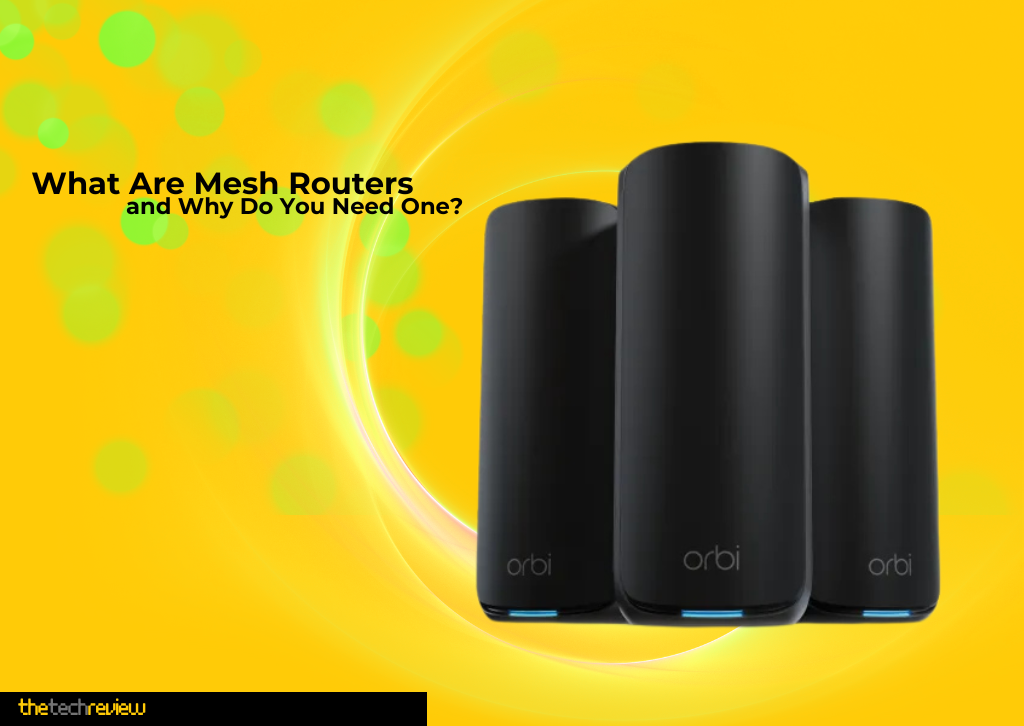
In the ever-evolving landscape of home technology, a robust and reliable internet connection has moved from a luxury to an absolute necessity. We stream, we work, we game, we learn, and we connect – often all at the same time, from various corners of our homes. But how many of us have experienced the frustration of Wi-Fi dead zones, buffering videos, or dropped connections? If this sounds familiar, you’re not alone, and the solution might just be a mesh router system.
For years, the standard single Wi-Fi router has been the go-to for connecting our devices to the internet. While perfectly adequate for smaller homes or apartments with fewer demands, these traditional setups often struggle to provide consistent coverage and speed in larger or more complex environments. This is where mesh Wi-Fi systems step in, offering a modern, intelligent, and often more effective approach to blanket your entire home with reliable internet.
So, what exactly is a mesh router, why are they becoming so popular, and perhaps most importantly, do you need one? Let’s dive in and demystify this increasingly common piece of home tech.
Understanding the Traditional Router vs. the Mesh System
To truly appreciate the benefits of a mesh system, it helps to understand its predecessor.
The Traditional Router: A Centralized Hub
Imagine your traditional router as a single, powerful light bulb placed in the center of a room. The closer you are to it, the brighter the light (stronger signal). As you move further away, or as walls and furniture block the light, it gets dimmer (weaker signal), eventually leading to dark spots (dead zones).
A traditional router broadcasts a Wi-Fi signal from a single point. Its range is limited, and the signal degrades significantly when encountering obstacles like thick walls, multiple floors, or even large appliances. This often results in:
- Dead Zones: Areas in your home where the Wi-Fi signal is practically non-existent.
- Slow Speeds: Even if there’s a signal, it might be incredibly slow, leading to buffering and frustrating delays.
- Coverage Gaps: Certain rooms or floors might simply not get reliable internet.
- Signal Bottlenecks: With many devices trying to connect to a single point, the router can get overwhelmed, slowing down performance for everyone.
The Mesh Router System: A Network of Cooperation
Now, picture a mesh system as multiple, smaller light bulbs strategically placed throughout your home. These bulbs don’t just act independently; they communicate with each other, creating a unified network where the light (Wi-Fi signal) is consistently bright and strong everywhere.
A mesh Wi-Fi system consists of multiple devices, typically one main router (connected to your modem) and several “satellite” units or “nodes.” These nodes are placed in different areas of your home, and they all work together to form a single, seamless Wi-Fi network.
Here’s how it works:
- Main Router: This unit connects directly to your internet modem and acts as the primary hub, just like a traditional router.
- Satellite Nodes: These smaller units are strategically placed around your home. They wirelessly communicate with the main router and with each other.
- Seamless Coverage: Instead of your devices connecting to a single, distant router, they connect to the nearest mesh node. As you move around your home, your device automatically switches to the node with the strongest signal without you ever noticing a drop or interruption. This is often called “client steering” or “band steering.”
- One Network: Crucially, a mesh system broadcasts a single Wi-Fi network name (SSID) and password across all its units. You don’t have to manually switch between different networks as you move, unlike with range extenders.
- Intelligent Routing: Mesh systems are smart. They can automatically determine the fastest path for data to travel from your device to the internet, potentially routing it through multiple nodes to avoid interference or congestion.
Why Are Mesh Routers Needed? The Pain Points They Solve
So, why has this technology emerged, and what common problems does it effectively address?
- Eliminating Wi-Fi Dead Zones: This is arguably the biggest selling point. If you have areas in your home where your Wi-Fi simply refuses to reach, a mesh system is designed to fill those gaps. Basements, attics, distant bedrooms, garages, and even outdoor patios can all become part of your connected home.
- Consistent Speed and Performance: Beyond just getting a signal, a mesh system aims for good signal quality everywhere. This means faster downloads, smoother streaming (4K movies, anyone?), lag-free online gaming, and quicker web browsing, no matter where you are.
- Handling More Devices: The average household today has an ever-increasing number of connected devices – smartphones, tablets, laptops, smart TVs, smart speakers, smart lights, thermostats, security cameras, game consoles, and more. Traditional routers can get bogged down. Mesh systems are generally better equipped to handle this growing demand, distributing the load more efficiently across multiple access points.
- Seamless Roaming: With a single network name, your devices automatically connect to the strongest signal as you move from room to room. No more manually switching Wi-Fi networks or experiencing dropped connections when you walk from your living room to your bedroom while on a video call.
- Easy Setup and Management: While traditional routers have become more user-friendly, mesh systems often take it a step further. Many come with intuitive mobile apps that guide you through setup, help you place nodes optimally, and provide easy control over your network, including parental controls, guest networks, and device prioritization.
- Scalability: Need more coverage? Just add another mesh node. Most systems are designed to be easily expanded, making them adaptable to homes of various sizes and layouts.
- Improved Aesthetics: Many mesh nodes are designed to be discreet, sleek, and blend into home decor, unlike some traditional routers with multiple antennas sticking out.
Who Needs a Mesh Router System?
While mesh systems offer universal benefits, they are particularly advantageous for specific types of users and home environments.
You probably need a mesh router if:
- You live in a large home (2,000 sq ft or more): Single routers struggle to cover vast areas effectively.
- You have multiple floors: Wi-Fi signals notoriously hate going through floors and ceilings.
- Your home has an unusual or complex layout: L-shaped homes, homes with many internal walls (especially brick or concrete), or long, narrow homes can create challenging signal paths for a single router.
- You experience Wi-Fi dead zones or painfully slow spots: If you consistently find yourself saying, “The Wi-Fi never works in here!”
- You have many connected devices (15+): Smart homes, large families, or tech enthusiasts will benefit from the distributed load.
- You frequently stream 4K video, play online games, or work from home: These activities demand a strong, stable connection everywhere.
- You’re tired of dropped video calls or buffering movies: A mesh system provides the stability needed for demanding applications.
- You want simple setup and management: Many mesh systems prioritize user-friendliness.
- You want seamless Wi-Fi as you move around your home: No more manual network switching.
- You use your Wi-Fi outdoors (e.g., on a patio or in the garden): Placing a node near an exterior wall can extend coverage.
You might NOT need a mesh router if:
- You live in a small apartment or a very small home (under 1,000 sq ft): A good quality single router might be perfectly sufficient.
- You have very few connected devices (less than 10): A traditional router can easily handle a lighter load.
- You don’t experience any Wi-Fi issues: If your current setup works flawlessly for all your needs, there’s no compelling reason to change.
- You’re on a very tight budget: Mesh systems are generally more expensive than a single basic router, though prices are coming down.
How Do You Know if You Need One? A Practical Guide
Beyond the descriptions, how can you concretely tell if a mesh system is right for you?
- Perform a Wi-Fi Walkthrough: Grab your smartphone or laptop and walk around your entire home, paying attention to signal strength. Most devices show a Wi-Fi signal indicator. Note where it drops significantly or where pages load slowly. Try running a speed test in different rooms using an app like Speedtest.net. If you see drastic drops in speed or connection issues, that’s a red flag.
- Consider Your Home’s Size and Layout: Look at your floor plan. How many stories? Are there thick walls? Are there rooms far from your current router? The more obstacles and distance, the more likely a mesh system will help.
- Count Your Devices: Do a quick inventory of everything that connects to your Wi-Fi. Phones, tablets, laptops, smart TVs, gaming consoles, smart speakers, security cameras, smart plugs, printers – it adds up quickly! A high device count indicates a need for a more robust network.
- Evaluate Your Internet Usage: Are you a casual browser, or do you stream 4K movies, play competitive online games, participate in frequent video conferences, or have multiple people doing all of these simultaneously? High-demand usage benefits immensely from a stable, widespread connection.
- Check for Dead Zones: Is there a particular room, a basement corner, or an upstairs bedroom where the Wi-Fi is consistently weak or non-existent? This is the most obvious sign.
- Are You Using Range Extenders and Still Unhappy? Many people try Wi-Fi range extenders first. While they can boost a signal, they often create a separate network, can halve speeds, and don’t offer the seamless roaming or intelligent routing of a mesh system. If your extender setup isn’t cutting it, it’s time for mesh.
Pros and Cons of Mesh Router Systems
Like any technology, mesh systems come with their own set of advantages and disadvantages.
| Pros | Cons |
| Superior Whole-Home Coverage: Eliminates dead zones and provides consistent signal. | Higher Initial Cost: Generally more expensive than a single traditional router. |
| Seamless Roaming: Devices automatically switch to the strongest node without interruption. | Potential for Redundant Hardware: If you only need minimal coverage, a mesh system might be overkill. |
| Easy Setup and Management: Often controlled via intuitive mobile apps. | May Not Offer the Absolute Fastest Peak Speed (in some cases): While overall coverage is better, some high-end traditional routers might offer slightly faster single-point speeds if you’re right next to them. |
| Scalability: Easily expand coverage by adding more nodes. | Reliance on Wireless Backhaul: Unless you can hardwire your nodes, they use some wireless bandwidth to communicate with each other, which can slightly reduce overall throughput compared to a fully wired network. |
| Handles More Devices: Distributes network load more efficiently. | Updates are Important: Like all network gear, keeping firmware updated is crucial for security and performance. |
| Improved Aesthetics: Many designs are sleek and discreet. | |
| Centralized Control: Manage all aspects of your network from one interface. | |
| Smart Features: Often include parental controls, guest networks, QoS, and security features. |
Competitor Comparison Chart: Mesh vs. Other Wi-Fi Solutions
To put mesh systems into perspective, let’s briefly compare them to other common Wi-Fi solutions.
| Feature / System Type | Traditional Router | Wi-Fi Range Extender | Powerline Adapter | Mesh Wi-Fi System |
| Coverage | Limited, signal degrades over distance and through obstacles. | Extends signal, but often creates a separate network. Can be inconsistent. | Uses electrical wiring; good for static devices, but dependent on home wiring quality. | Excellent whole-home coverage, eliminates dead zones. |
| Speed | Good near the router, degrades quickly further away. | Often halves speeds, especially when connecting wirelessly. | Can be good for wired connections, but speeds vary greatly. | Consistent, strong speeds across the entire coverage area. |
| Setup | Generally straightforward. | Can be finicky, often requires manual configuration. | Plug and play, but pairing can be tricky sometimes. | Very easy, often app-guided with optimal placement suggestions. |
| Seamless Roaming | No, devices stick to the main router until signal is very weak. | No, often creates a separate network (e.g., “MyWiFi_EXT”). Requires manual switching. | N/A (for wired connections). | Yes, one network name, devices automatically switch to the best signal. |
| Device Handling | Can get bogged down with many devices. | Can add congestion to the main network. | Excellent for the few wired devices it serves. | Handles many devices efficiently by distributing the load. |
| Cost | Lowest initial cost. | Low to moderate. | Low to moderate. | Higher initial cost, but offers superior performance. |
| Aesthetics | Can be bulky, often with external antennas. | Often discreet wall-plug units. | Discreet wall-plug units. | Often sleek, modern, and designed to blend in. |
| Best For | Small apartments, single users, basic internet needs. | Small coverage gaps, budget-conscious users willing to compromise. | Wired connections where Wi-Fi is poor (e.g., desktop PC in basement). | Large homes, multi-story homes, homes with many devices, users demanding consistent performance. |
Frequently Asked Questions (Q&A)
Q: Do I need a new modem if I get a mesh router system? A: In most cases, no. Your mesh system’s main router will connect directly to your existing modem. If your current modem also has router capabilities (a “modem/router combo”), you’ll typically put it into “bridge mode” or “passthrough mode” to let the mesh system handle all the routing functions. This prevents conflicts and optimizes performance.
Q: Can I use a mesh system with my existing router? A: You’ll typically use the mesh system’s main router to replace your existing router’s Wi-Fi capabilities. You wouldn’t use both simultaneously as primary Wi-Fi broadcasters, as this can cause interference. As mentioned, you might put your old router (if it’s a combo unit) into bridge mode.
Q: How many mesh nodes do I need? A: This depends on the size and layout of your home. Most manufacturers provide guidelines based on square footage. For example, a 2-pack might cover up to 3,000 sq ft, while a 3-pack might cover 5,000 sq ft. Obstacles like thick walls or multiple floors might require an extra node. The setup app usually helps you determine optimal placement.
Q: Where should I place the mesh nodes? A: The main router should be placed centrally, connected to your modem. Satellite nodes should be placed roughly equidistant from each other, ensuring they have a good signal connection to another node (or the main router). Avoid placing them in closets, behind large appliances, or near sources of interference (e.g., microwaves, cordless phones). The setup app usually provides guidance on ideal placement.
Q: Do mesh systems support both 2.4 GHz and 5 GHz Wi-Fi bands? A: Yes, almost all modern mesh systems are “dual-band” or “tri-band,” meaning they utilize both 2.4 GHz and 5 GHz frequencies. The system often intelligently assigns devices to the best band (e.g., 2.4 GHz for longer range, 5 GHz for faster speeds and less interference).
Q: Is a mesh system more secure than a traditional router? A: Security features vary by brand and model. Many mesh systems come with advanced security features built-in, such as automatic updates, intrusion detection, and sometimes even free or paid subscriptions to cybersecurity services. However, the fundamental security of your network still depends on strong passwords and good internet habits.
Q: Can I hardwire devices to mesh nodes? A: Yes, most mesh nodes include Ethernet ports. You can use these ports to hardwire devices like smart TVs, gaming consoles, or desktop computers for the most stable and fastest connection, even if the node itself is wirelessly connected to the main router. Some mesh systems also support Ethernet “backhaul,” where the nodes communicate with each other over a wired connection for even better performance.
Conclusion
In an increasingly connected world, reliable and widespread Wi-Fi is no longer a luxury but a fundamental expectation. If you’ve been grappling with frustrating dead zones, slow speeds, or dropped connections in your home, a mesh router system offers a compelling and often elegant solution. By creating a unified, intelligent network, mesh Wi-Fi can transform your home internet experience, ensuring every corner of your living space is bathed in strong, consistent, and fast Wi-Fi. While a slightly higher investment upfront, the long-term benefits of seamless connectivity and peace of mind often make it a worthwhile upgrade for the modern connected home.

You’ve got questions, we have answers. All your home tech questions answered.




Home Tech
🔋 Powering Up: A Look at the Jackery Explorer 2000 Plus

The Jackery Portable Power Station Explorer 2000 Plus is a modular and powerful solution designed for off-grid living, extended camping, RV use, and home emergency backup. Featuring a robust 2042.8 Wh LiFePO4 battery and a high-power AC output, this unit is built for heavy-duty appliances and long-term reliability.
The 2000 Plus stands out primarily for its modularity and the use of the LiFePO4 (Lithium Iron Phosphate) battery chemistry. The LiFePO4 batteries offer an extended lifespan, typically rated for 4,000 charge cycles to 70%+ capacity, significantly outlasting older lithium-ion technologies. Its core capacity can be greatly expanded by adding up to five external Battery Pack 2000 Plus units, allowing for a total system capacity of up to 12 kWh in a single unit setup, or a massive 24 kWh when two Explorer 2000 Plus units are connected in parallel.
With a substantial 3,000W continuous AC output (and a 6,000W surge peak), the Explorer 2000 Plus can handle nearly all common home appliances, from refrigerators and microwaves to power tools. Furthermore, its fast-charging capability allows it to be fully recharged from a wall outlet in approximately 2 hours, or in the same timeframe using six 200W Jackery SolarSaga panels. Portability is aided by a telescoping handle and built-in wheels, making the 62.3 lbs unit manageable despite its size.

👍 Pros and 👎 Cons
| Pros | Cons |
| LiFePO4 Battery (4,000 cycles to 70%+) | Heavy (approx. 62.3 lbs) – mitigated by wheels |
| High Output (3,000W continuous / 6,000W surge) | Expensive (particularly when adding expansion batteries) |
| Massive Expandability (Up to 24 kWh with dual unit setup) | Basic Display (lacks touchscreen, can be hard to see in bright sun) |
| Extremely Fast AC Charging (Fully charges in ~2 hours) | Limited Connections (fewer ports than some competitors) |
| Telescoping Handle and Wheels for mobility | Requires Jackery’s proprietary solar panels for guaranteed performance |
| EPS Functionality (Emergency Power Supply) | Lacks wireless charging capability |

🆚 Competitor Comparison
The Explorer 2000 Plus competes directly with other high-capacity, modular solar generators. Here’s a comparison against some key rivals, the EcoFlow DELTA Pro and the Bluetti AC200MAX, focusing on core specs.
| Feature | Jackery Explorer 2000 Plus | EcoFlow DELTA Pro | Bluetti AC200MAX |
| Base Capacity | $\approx 2043$ Wh (LiFePO4) | $3600$ Wh (LiFePO4) | $2048$ Wh (LiFePO4) |
| Max Expandable Capacity | Up to $24$ kWh (Dual Unit) | Up to $25$ kWh | Up to $8192$ Wh |
| AC Output (Continuous) | $3000$ W | $3600$ W | $2200$ W |
| AC Charging Speed (Wall) | $\approx 2$ hours to full | $\approx 1.9$ hours to full | $\approx 4.5$ hours to full |
| Portability Aids | Wheels and Telescoping Handle | Wheels and Extendable Handle | Fixed Handles Only (Heavier to lift) |
| 240V Output | Yes (Requires Expansion Hub & second unit) | Yes | Yes (Via separate accessories) |
The Explorer 2000 Plus differentiates itself with its slightly more compact size and LiFePO4 durability. However, the EcoFlow DELTA Pro offers a larger base capacity and higher continuous output. The Bluetti AC200MAX offers strong all-around performance at a potentially lower price point.
❓ Jackery Explorer 2000 Plus Q&A
Q: What type of battery does the Explorer 2000 Plus use?
A: It uses a LiFePO4 (Lithium Iron Phosphate) battery, which provides greater safety, strong temperature resistance, and an exceptionally long lifespan of 4,000 cycles to 70%+ capacity.
Q: Can it be used inside my home?
A: Yes. As a battery-powered unit, it does not produce toxic fumes like a gasoline generator and operates with a very low noise level, especially in its silent charging mode (under 30dB), making it safe for indoor use.
Q: Does it support pass-through charging?
A: Yes, the Explorer 2000 Plus supports pass-through charging, meaning it can charge devices while simultaneously being recharged itself (from AC or solar).
Check out all our in-depth home tech reviews
Home Tech
Epson Lifestudio Flex Plus 4K PRO-UHD Portable Lifestyle Projector: The Pinnacle of Flexible Home Entertainment

The home projector market has undergone a dramatic transformation, moving far beyond the fixed ceiling mounts and dedicated darkened theaters of the past. Today’s consumer demands flexibility, style, and instant gratification. In this rapidly evolving “lifestyle projector” segment, no device has generated as much buzz as the Epson Lifestudio Flex Plus 4K PRO-UHD Portable Lifestyle Projector. Epson, the long-time leader in 3LCD projection technology, has thrown down the gauntlet with a sleek, feature-packed contender designed to be as much a piece of modern furniture as it is a cinematic powerhouse.
Priced around the premium sweet spot of the portable market, the Flex Plus promises the vibrant color of 3LCD, the sharpness of 4K PRO-UHD pixel shifting, and the convenience of a true portable design, all wrapped up in a visually stunning package featuring sound engineered by Bose. But does this projector truly deliver on its promise to combine uncompromising performance with effortless portability? Over the course of this extensive 2,000-word review, we dissect every aspect of the Flex Plus, compare its performance against its toughest rivals, and determine if it deserves a permanent spot in your flexible living space.
Part I: Design, Build, and True Portability
A Design Revolution: Form Meets Function (Approx. 300 words)
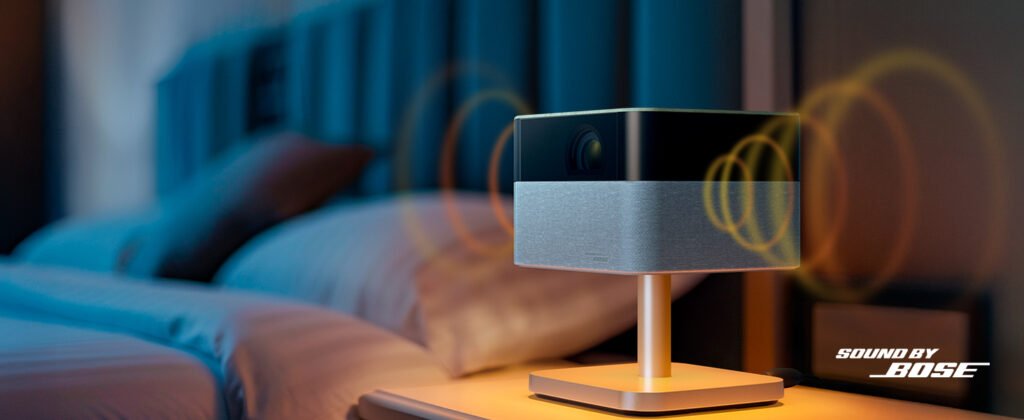
The first thing that strikes you about the Epson Lifestudio Flex Plus is its departure from the bulky, often utilitarian aesthetic typical of traditional projectors. This device is an intentional piece of design. The main chassis is a compact, cuboid form factor, but Epson elevates it with premium, tactile materials. The upper surface features a tasteful, textured oak or matte dark wood finish, which allows the projector to blend seamlessly into a modern living room, bedroom, or even an upscale outdoor patio setting.
The core of the “Flex” experience, however, lies in its integrated stand. The projector body is mounted on a robust, cylindrical base that allows for an impressive 90-degree vertical pivot. This pivot capability is not just a gimmick; it’s a fundamental design element that unlocks true lifestyle projection. Whether you want a traditional horizontal wall throw, a low-angle projection onto a table for mood lighting, or the increasingly popular “ceiling cinema” experience for bedtime viewing, the Flex Plus adapts instantly. The mechanism is smooth, sturdy, and holds its angle securely, which is crucial for maintaining alignment.
In terms of true portability, Epson has made significant strides. Weighing in at less than 5 pounds and offering a surprisingly small footprint (comparable to a thick hardback novel), it is backpack-ready. Crucially, the Flex Plus supports USB-C power delivery (PD), a feature that transforms it from merely “relocatable” to genuinely portable. While you’ll still need a high-wattage power bank (sold separately) to drive the powerful light source, the ability to operate it away from a wall outlet for a two-hour movie vastly expands its utility for backyard movie nights, tailgates, or camping trips. The inclusion of a magnetic dock on the stand for securing the remote control is a small but appreciated detail that reinforces the thoughtful, user-centric design philosophy.

Part II: Core Technology and Visual Purity
The 3LCD Advantage: Color Fidelity (Approx. 350 words)
Epson’s unwavering commitment to 3LCD technology is the defining characteristic of the Flex Plus’s image quality. Unlike the vast majority of portable competitors, which use single-chip Digital Light Processing (DLP) technology, the Flex Plus uses three separate LCD chips—one dedicated to red, one to green, and one to blue. This process means that Color Brightness is equal to White Brightness (rated at an impressive 1,000 ISO Lumens).
The 3LCD architecture provides two critical advantages in the lifestyle projector category:
- Elimination of the Rainbow Effect: Single-chip DLP models use a spinning color wheel, which can cause color separation artifacts, or the “rainbow effect,” visible to sensitive viewers, particularly in high-contrast scenes. 3LCD technology projects all three primary colors simultaneously, completely mitigating this issue and resulting in a smoother, more consistent viewing experience.
- Superior Color Volume and Saturation: By utilizing dedicated color pathways, the Flex Plus achieves exceptional color accuracy and depth, even at maximum brightness. This translates to more nuanced skin tones, more vibrant animations, and rich, lifelike landscapes—a crucial feature often missed in the washed-out reds and blues of some high-brightness single-chip rivals.
Unpacking 4K PRO-UHD Resolution
While some ultra-premium home cinema projectors offer native 4K, the portable form factor necessitates a compromise. The Flex Plus employs Epson’s highly refined 4K PRO-UHD pixel-shifting technology. This process takes a full HD (1080p) imaging chip and rapidly shifts each pixel diagonally at 4 million times per second, effectively projecting 8.3 million distinct pixels onto the screen.
The result is a projected image that is visibly sharper, more detailed, and far more complex than standard 1080p, mimicking the texture and depth of true 4K resolution. While it may not satisfy the most zealous pixel peeper compared to a dedicated, fixed 4K unit, for a screen size of 80 to 120 inches—the sweet spot for the Flex Plus—the 4K PRO-UHD image is breathtakingly crisp. Textures in film grain are visible, and high-resolution sources are rendered with remarkable fidelity, making it ideal for streaming high-bitrate Netflix or Disney+ content.
Part III: Cinematic Performance and Image Fidelity
Brightness and Lighting Conditions (Approx. 400 words)
The Flex Plus is rated at 1,000 ISO Lumens (Color and White Brightness). In the world of ultra-portable projectors, this is a respectable, mid-to-high-range figure. However, the use case is everything.
In a dedicated dark environment, such as a bedroom with blackout curtains or an outdoor deck after sunset, the Flex Plus excels. The 100-inch image size is luminous, dynamic, and displays colors that truly pop. The contrast, while inherently not as deep as top-tier single-chip laser units (a common 3LCD trade-off), is managed effectively by the laser light source. Deep blacks are closer to a dark gray in very demanding scenes, but overall shadow detail is preserved well in the “Cinema” mode, which provides the most accurate color profile.
However, the laws of physics are unforgiving. As noted in preliminary testing, the Flex Plus struggles with daytime viewing. Even with its 1,000 lumens, projecting a large image in a living room with open windows results in a washed-out, muted picture. For moderate ambient light—such as a cloudy afternoon or a room with standard blinds—it performs adequately, but you should temper expectations. If your primary use case is watching sports during the day, this projector necessitates drawing the curtains.
Color Accuracy and HDR Capability
The Flex Plus sets a high bar for color accuracy right out of the box. Thanks to the 3LCD system, color volume is exceptional, covering a wide color gamut (estimated to exceed 100% of the Rec. 709 standard). The Cinema picture mode, in particular, offers fantastic white point consistency and accurate color temperature, making it a viable choice for cinephiles.
The projector supports HDR10 and Hybrid Log-Gamma (HLG), which enhances contrast and color depth with HDR content. While the 1,000-lumen output and 3LCD base prevent it from achieving the dramatic, eye-searing HDR highlights of a high-end OLED TV, the HDR processing on the Flex Plus is intelligent. It maps the HDR metadata efficiently, delivering noticeable improvements in dynamic range, especially in visually complex scenes like dazzling city lights or star fields.
Latency for Gaming
While not explicitly marketed as a gaming projector, the Flex Plus offers respectable performance for casual console gamers. Input lag is measured to be competitive for the category, hovering in the 35-45ms range in its dedicated “Fast Mode.” This is perfectly acceptable for story-driven single-player games, sports titles, and adventure genres. However, serious competitive FPS gamers who demand sub-15ms response times will still need to look at dedicated home cinema gaming projectors. For a flexible, all-in-one media device, the gaming responsiveness is a pleasant surprise.
Part IV: The Smart Experience and Audio
Effortless Setup with Intelligent Screen Adaptation (Approx. 350 words)
One of the biggest pain points of any projector, and the area where the Flex Plus truly shines, is setup and placement. Epson has equipped it with an advanced suite of sensor-driven technologies they call Intelligent Screen Adaptation (ISA).
- Auto-Focus: The lens instantly snaps into razor-sharp focus upon startup or movement. This rapid focus is one of the fastest we’ve ever tested on a portable unit.
- Auto-Keystone and Alignment: Whether the projector is tilted on the 90-degree stand, placed far off-center, or projecting onto a slightly uneven surface, the automatic correction algorithms work near-instantly to square the image. This process, which can take agonizing minutes on manual projectors, is finished in literally two seconds, allowing you to move the unit from the living room wall to the kitchen ceiling without pausing your stream.
- Obstacle Avoidance and Screen Fit: The system is smart enough to detect boundaries, edges, and objects (like a picture frame or a light switch) within the projection area, automatically scaling the image to fit perfectly onto the desired canvas.
This technological package transforms the Flex Plus into a truly “plug-and-play” device, making it instantly accessible even to projection novices.
Google TV Ecosystem
The Lifestudio Flex Plus runs the Google TV operating system natively. This is a massive advantage over competitors that use proprietary or outdated Android TV interfaces. Google TV offers a clean, content-first user interface and provides immediate access to the entire suite of streaming applications, including Netflix, Hulu, HBO Max, Disney+, and, of course, YouTube. The integration is snappy, responsive, and easy to navigate using the included remote, which features dedicated buttons for popular services and built-in Google Assistant voice control. The ability to cast content via Chromecast is also built-in, adding another layer of seamless integration for mobile devices.
Bose-Designed Audio
The visual brilliance is complemented by a surprisingly powerful and clear audio system designed in collaboration with Bose. The custom-engineered stereo speakers deliver a soundstage that is remarkably wide for a device of this size. Dialogue is crisp and centralized, and while the bass won’t rattle your windows, the low end is punchy enough to add genuine impact to action sequences and musical scores. For everyday viewing and casual listening, the Bose audio eliminates the need for an external soundbar or speaker system. Furthermore, the Flex Plus can be used as a standalone Bluetooth speaker, allowing you to stream music from your phone when you don’t need the projection function, adding value to the device outside of movie nights.
Part V: Competitive Landscape and Final Verdict
Staking its Claim
The Epson Lifestudio Flex Plus enters a highly contested arena dominated by innovative brands like Samsung and XGIMI. Its chief differentiation lies in its potent combination of Epson’s 3LCD color superiority, 4K PRO-UHD sharpness, and the Bose audio system, all housed in a beautiful, flexible design. While the 1,000 lumens might seem modest compared to some high-power laser units, the fact that these are guaranteed Color Lumens means the projected color purity often rivals brighter DLP competitors whose light output is focused mainly on white brightness.
The Flex Plus sacrifices the ultra-small footprint of the Samsung Freestyle for better core performance, and it offers better plug-and-play simplicity than many high-end XGIMI models, making it the perfect middle ground for the user who prioritizes color accuracy and effortless setup equally.
Competitor Comparison Chart
To truly understand where the Epson Lifestudio Flex Plus sits in the market, here is a detailed comparison against two of its most significant rivals: the popular ultra-portable Samsung The Freestyle 2nd Gen, and the high-end, high-brightness XGIMI Horizon Ultra.
| Feature | Epson Lifestudio Flex Plus 4K PRO-UHD | Samsung The Freestyle (2nd Gen) | XGIMI Horizon Ultra |
|---|---|---|---|
| Price (Estimated MSRP) | $1,099 | $799 | $1,699 |
| Projection Technology | 3LCD (3-Chip) | Single-Chip DLP (0.33″ DMD) | Single-Chip DLP (0.47″ DMD) |
| Light Source | Laser/LED Hybrid | LED | Dual Light Laser/LED Hybrid |
| Native / Display Resolution | 4K PRO-UHD (Pixel Shift) | 1080p (Full HD) | 4K UHD (Pixel Shift) |
| Brightness (Lumens) | 1,000 ISO Lumens (Color = White) | ~550 LED Lumens (~250 ANSI) | 2,300 ISO Lumens |
| Audio System | Bose-Designed Integrated Sound | 360-degree, 5W Woofer | Harman Kardon 2 x 12W Speakers |
| Smart Operating System | Google TV | Samsung Tizen OS (with Gaming Hub) | Android TV 11 |
| Auto-Correction | Full ISA Suite (Auto Focus, Keystone, Obstacle Avoidance, Screen Fit) | Auto Focus, Auto Keystone | Full ISA 2.0 (Auto Focus, Keystone, Avoidance) |
| Portability / Power | Excellent. USB-C PD Support + Internal Tilt Stand. | Best. Extremely compact. Battery option sold separately. | Good. Cube shape, but requires AC power. |
| Key Advantage | Superior color accuracy and volume thanks to 3LCD; easiest setup. | Ultra-compact size; 360-degree rotation; great for casual use. | Significantly higher brightness for lights-on viewing; higher contrast. |
Part VI: Conclusion and Final Verdict (Approx. 200 words)
The Epson Lifestudio Flex Plus 4K PRO-UHD is not just another portable projector; it is a premium lifestyle hub designed to deliver authentic cinematic quality without the headaches typically associated with projection.
Its $1,099 price tag places it squarely between the budget-friendly portable options and the high-lumen, fixed-position home cinema giants. For this investment, you are paying for three things: Epson’s unparalleled color integrity (thanks to 3LCD), near-instant, flawless setup (thanks to ISA), and high-quality Bose audio.
While its 1,000-lumen output means that serious daytime viewing is still off the table, the combination of 4K PRO-UHD sharpness, excellent HDR mapping, and the Google TV platform makes it an exceptional choice for nighttime movies, gaming, and the ultimate flexible viewing experience. It is the perfect projector for those seeking a projector that is genuinely simple to move, instantly easy to set up, and delivers colors that are both vivid and true to life.
Pros and Cons:
| PROS | CONS |
|---|---|
| Unbeatable Color Volume (3LCD technology) | 1,000 Lumens is low for bright daytime viewing |
| Flawless Auto-Correction (ISA) for instant setup | No Dolby Vision or DTS audio support |
| Premium Bose-Designed Sound (with Bluetooth mode) | 4K achieved via pixel shifting, not native |
| USB-C Power Delivery for true outdoor portability | Contrast ratios are good, but still limited by 3LCD |
| 90-Degree Pivot for ceiling projection |
Final Recommendation: The Epson Lifestudio Flex Plus is highly recommended for design-conscious consumers who prioritize color accuracy and plug-and-play simplicity for movie nights, especially if most viewing occurs in low-light conditions. It is the best 3LCD entry in the portable lifestyle market to date.
TheTechReview is the best place for home tech reviews
Home Tech
BenQ HT2060 Projector: A Comprehensive In-Depth Review
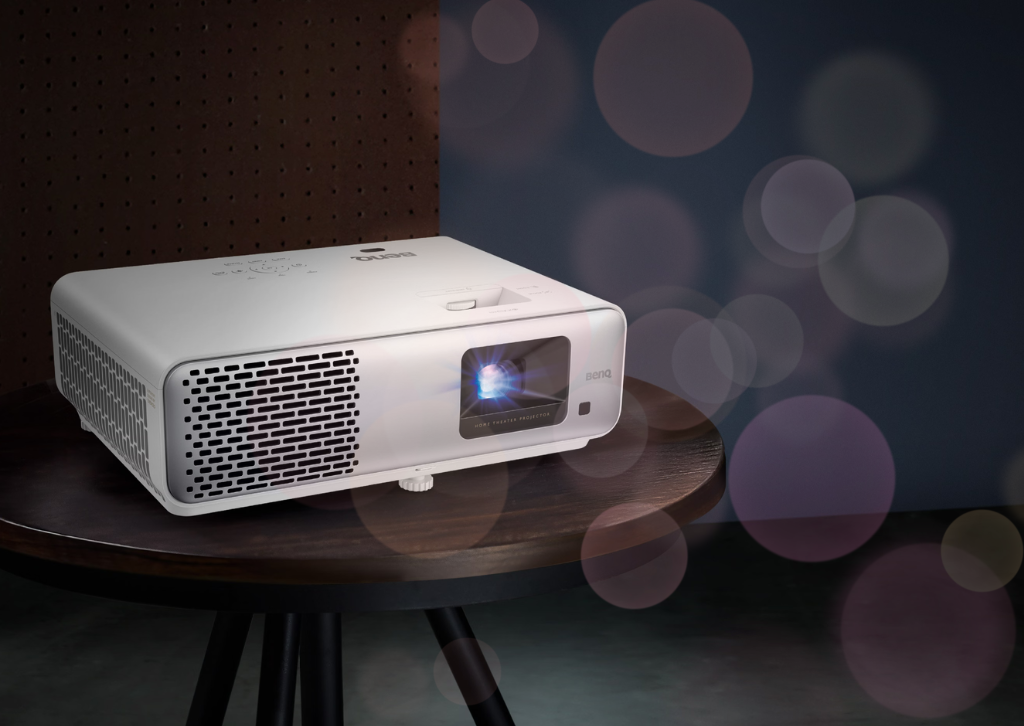
In the ever-evolving world of home entertainment, projectors have become an increasingly popular alternative to traditional televisions, offering the allure of a true cinematic experience in the comfort of your own home. The BenQ HT2060 positions itself as an entry-level home theater projector that promises to deliver impressive performance without demanding a premium price tag. After extensive evaluation, it’s clear that this projector represents a compelling option for those taking their first steps into the world of large-screen projection, though it comes with both notable strengths and limitations worth discussing in detail.
Design and Build Quality
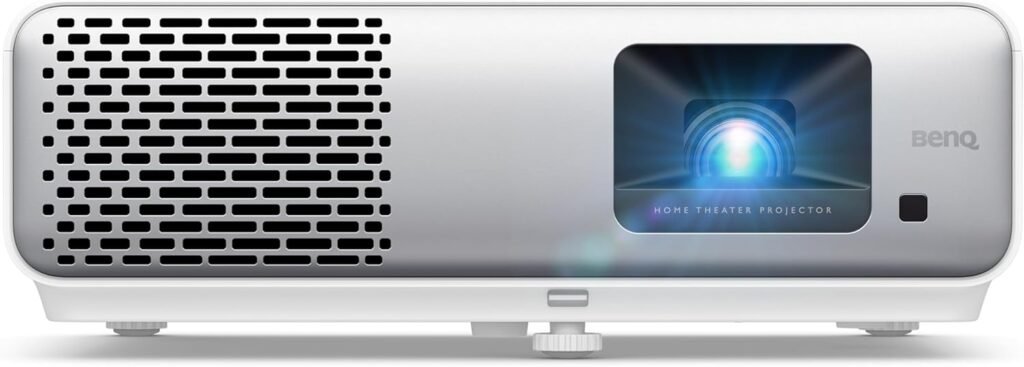
The BenQ HT2060 sports a clean, professional aesthetic with its white chassis that should blend seamlessly into most home theater environments. The projector measures approximately 12.2 x 9.5 x 4.1 inches and weighs around 6.2 pounds, making it reasonably portable while still feeling substantial enough to inspire confidence in its build quality. The housing is constructed primarily from durable plastic with a matte finish that resists fingerprints and smudges effectively.
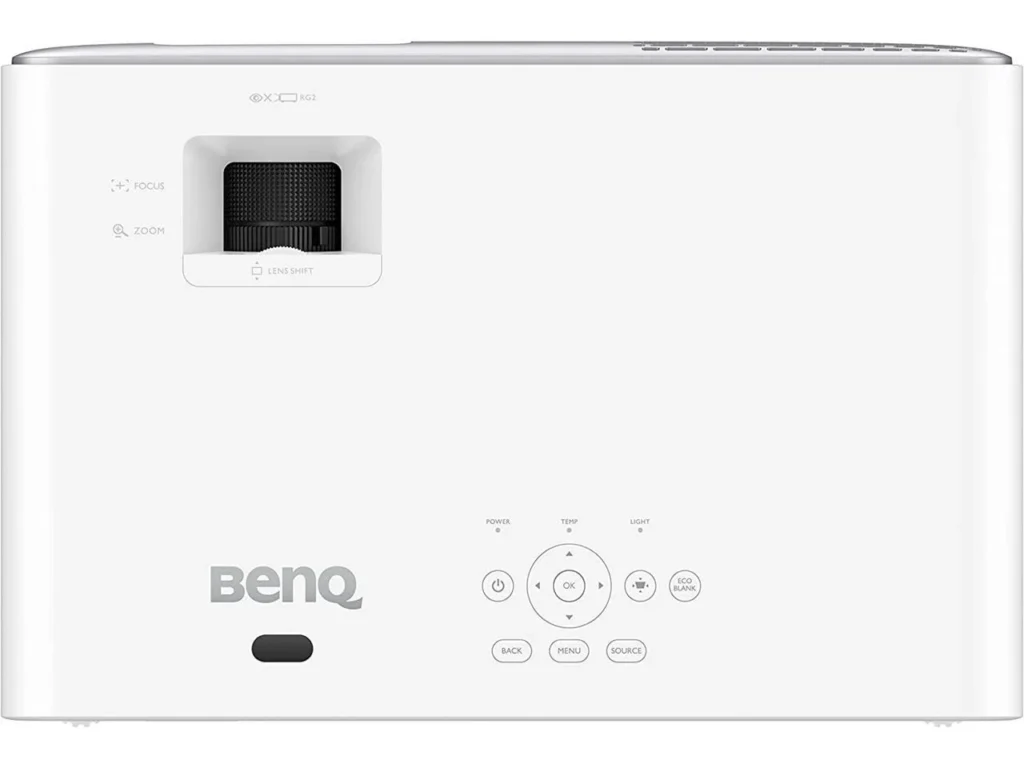
The top panel features a simple control interface with clearly labeled buttons, though you’ll likely rely on the included remote control for most operations. Speaking of the remote, it’s a straightforward infrared unit with a logical button layout that’s easy to navigate even in a darkened room. The buttons have good tactile feedback, and the remote includes dedicated shortcuts for picture modes and other commonly accessed settings.
One minor criticism on the design front is the lack of a built-in lens cover, which means you’ll need to be mindful of dust accumulation on the lens when the projector isn’t in use. This is a common omission at this price point, but it’s worth noting for those who prefer comprehensive protection for their equipment. The cooling vents are positioned strategically around the chassis to promote adequate airflow, though we’ll discuss fan noise in more detail later.
Picture Quality and Performance
The heart of any projector review lies in its image quality, and the HT2060 delivers admirably for its class. Utilizing DLP (Digital Light Processing) technology with a single 0.65-inch DMD chip, this projector produces Full HD resolution images at 1920×1080 pixels. While 4K projectors have become more common, Full HD remains perfectly suitable for most content, especially at the screen sizes typically used in home environments.
The brightness specification of 2200 ANSI lumens is genuinely impressive for a projector in this price range. This level of brightness means the HT2060 can deliver a watchable image even in rooms with some ambient light, though you’ll still get the best results in a properly darkened theater environment. During testing, the projector maintained good brightness uniformity across the entire image, with only minimal hotspotting in the center that’s barely noticeable during normal viewing.
Where the HT2060 truly shines is in its color reproduction. BenQ has equipped this projector with their CinematicColor technology, which they claim covers 96% of the Rec.709 color gamut. Rec.709 is the international standard for high-definition television, so achieving near-complete coverage means the projector can accurately reproduce the colors as content creators intended. In practice, this translates to vibrant, lifelike colors that pop off the screen without appearing oversaturated or artificial. Reds are rich and warm, blues are deep and nuanced, and skin tones appear natural across various lighting conditions.
The contrast ratio, specified at 15,000:1, is respectable though not exceptional. In real-world viewing, this means you’ll get decent black levels that allow for good shadow detail in darker scenes, though true blacks can appear more as dark grays when compared to higher-end projectors or OLED displays. This is a common limitation of single-chip DLP projectors at this price point, and the HT2060 performs about as well as can be expected given its technology and cost. Dark movie scenes remain watchable with acceptable detail in shadows, though serious videophiles might notice the lack of absolute black depth during particularly dark sequences.
One aspect worth discussing is the rainbow effect, a phenomenon sometimes associated with DLP projectors where sensitive viewers can perceive brief flashes of red, green, and blue colors, particularly during high-contrast scenes or rapid eye movements. The HT2060 uses a standard color wheel speed, and while some viewers may occasionally notice rainbow artifacts, most people find them either non-existent or minimally distracting. If you’ve successfully watched DLP projectors in the past without issues, you’ll likely have no problems with the HT2060.
Setup and Installation Flexibility
One of the most practical considerations when choosing a projector is how easy it is to set up and how much flexibility you have in positioning it within your room. The HT2060 offers a reasonable throw ratio of 1.15-1.5:1 with its 1.3x zoom lens, which means you’ll need to position the projector approximately 10 to 13 feet away from the screen to achieve a 100-inch diagonal image. This provides decent flexibility for various room configurations, though it’s not as flexible as projectors with longer zoom ranges.
The projector includes vertical keystone correction of ±40 degrees, which allows you to digitally adjust the image if the projector isn’t perfectly perpendicular to the screen. However, it’s worth noting that keystone correction works by digitally manipulating the image, which can result in some loss of resolution and sharpness. Whenever possible, it’s preferable to position the projector at the correct angle and avoid relying on keystone correction for optimal image quality.
Manual focus and zoom adjustments are controlled by two clearly marked wheels on the top of the projector. While some users might prefer motorized adjustments found on premium models, the manual controls are smooth and precise, making it easy to dial in a perfectly sharp image. The focus uniformity is good across the entire screen, with only minor softness at the extreme corners that’s unlikely to be noticed during regular viewing.
The HT2060 can be ceiling-mounted or placed on a table, and it includes mounting points for standard ceiling brackets. The projector offers front and rear projection modes as well as ceiling mount options, all easily configured through the on-screen menu system.
Gaming Performance
For many users, gaming capability is an important consideration, and the HT2060 doesn’t disappoint in this regard. The projector features a dedicated Game mode that reduces input lag to approximately 33 milliseconds. While this isn’t quite as low as the sub-20ms latency found on gaming-focused projectors or modern gaming TVs, it’s more than adequate for casual and console gaming. Most players will find the responsiveness perfectly acceptable for single-player adventures, racing games, and most multiplayer titles.
The Game mode does make some compromises in image quality to achieve lower latency, slightly reducing contrast and color saturation, but the trade-off is generally worthwhile for interactive content. For competitive gamers playing fast-paced titles where every millisecond matters, you might want to consider a projector specifically designed for gaming with even lower input lag, but the vast majority of users will find the HT2060’s gaming performance entirely satisfactory.
The combination of a large projected image and responsive controls creates an immersive gaming experience that’s hard to match on traditional displays. Whether you’re exploring vast open worlds, racing through detailed tracks, or battling through intense action sequences, the HT2060’s 100-inch-plus image adds a level of engagement that smaller screens simply cannot provide.
Lamp Life and Operating Costs
One of the most attractive features of the HT2060 is its exceptional lamp longevity. BenQ rates the lamp life at 4500 hours in Normal mode, 6500 hours in Eco mode, and an impressive 15,000 hours in SmartEco mode. The SmartEco mode intelligently adjusts lamp brightness based on the content being displayed, reducing power consumption and heat output during darker scenes while maintaining full brightness when needed.
For perspective, if you watch an average of three hours of content per day, the lamp could last over 13 years in SmartEco mode before requiring replacement. Even accounting for gradual brightness degradation over time, this is an exceptional lifespan that significantly reduces the total cost of ownership. Replacement lamps typically cost between $150 and $250, so extending lamp life translates directly into substantial savings over the projector’s lifetime.
The SmartEco mode doesn’t just extend lamp life; it also reduces power consumption and heat output, which contributes to a quieter operating experience and lower electricity bills. In real-world use, the SmartEco mode’s dynamic brightness adjustment is subtle and rarely noticeable, making it an easy recommendation for most users.
Audio Capabilities
The HT2060 includes a built-in 10-watt speaker, which is a welcome inclusion for occasional use or temporary setups. The speaker is reasonably clear at moderate volumes and adequate for casual viewing, presentations, or situations where external audio isn’t practical. However, let’s be realistic: no built-in projector speaker can deliver the kind of audio experience that matches the visual scale of a 100-inch projected image.
For any serious home theater application, you’ll want to connect external speakers, a soundbar, or a full surround sound system. The projector includes a 3.5mm audio output jack that allows you to send audio to external speakers or a receiver. Most users will likely connect their source devices directly to an AV receiver and handle audio separately from the projector, which is the preferred configuration for optimal sound quality and flexibility.
Connectivity Options
The connectivity suite on the HT2060 is adequate if not particularly extensive. You’ll find two HDMI 1.4a inputs, which support Full HD content at up to 60Hz. While these aren’t the latest HDMI 2.1 ports with support for 4K at high frame rates, they’re perfectly appropriate for this Full HD projector and will handle any 1080p source with ease. The dual HDMI inputs are convenient, allowing you to connect multiple devices simultaneously without the need for an HDMI switcher.
Additional connectivity includes a USB Type-A port that provides 1.5 amps of power, useful for streaming sticks or other powered accessories, though it cannot be used for media playback. There’s also a 12V trigger output, a VGA input for legacy computer connections, composite video input, an RS-232 port for control system integration, and the previously mentioned 3.5mm audio output.
Notably absent is any wireless connectivity. There’s no built-in Wi-Fi, Bluetooth, or smart TV functionality. The HT2060 is a pure display device that relies entirely on external sources for content. While this keeps the projector’s design simple and focused, it does mean you’ll need to connect streaming devices, Blu-ray players, game consoles, or other sources via HDMI.
Operating Noise and Heat
Fan noise is an inevitable consideration with any projector, as these devices generate considerable heat that must be dissipated. The HT2060 produces approximately 29 decibels in Eco mode and 33 decibels in Normal mode. In practical terms, the fan is audible in a quiet room but not disruptively loud. During action-packed movie scenes with high volume, the fan noise becomes completely imperceptible. However, during quiet dialogue scenes or dramatic pauses, you may notice the gentle whir of the cooling system.
The noise level is fairly typical for projectors in this class and represents a reasonable compromise between cooling efficiency and acoustic performance. Positioning the projector farther from your seating area, such as in a ceiling-mounted configuration, helps minimize noise perception. Some users may find the fan noise noticeable initially but report becoming accustomed to it after a few viewing sessions.
Heat output is well-managed, with warm air exhausting from the vents without causing the projector’s exterior to become uncomfortably hot. Just ensure adequate clearance around the ventilation openings for proper airflow, and avoid placing the projector in enclosed spaces without ventilation.
Menu System and Picture Modes
The HT2060’s on-screen menu system is logically organized and relatively intuitive to navigate. The interface is clean and straightforward, with settings grouped into sensible categories. The included remote makes menu navigation simple, and most users should be able to configure basic settings without consulting the manual.
The projector offers several picture presets optimized for different content types, including Cinema, Game, Sport, and Bright modes. The Cinema mode is well-calibrated out of the box and serves as an excellent starting point for movie watching, with accurate colors and appropriate contrast. The Game mode, as previously mentioned, prioritizes low input lag at the expense of some image quality. Sport mode enhances brightness and color saturation for daytime viewing, while Bright mode maximizes light output for challenging ambient light conditions.
For those who want to fine-tune the image, the HT2060 provides access to color temperature adjustments, gamma settings, and individual RGB color controls. While it doesn’t offer the extensive calibration tools found on professional-grade projectors, there’s enough flexibility here to dial in an image that suits your preferences and viewing environment.
Value Proposition and Final Verdict
The BenQ HT2060 occupies an interesting position in the projector market. It’s not the absolute cheapest option available, nor does it compete with premium home theater projectors costing several thousand dollars. Instead, it targets the sweet spot for consumers who want a genuine home theater experience without making a massive financial commitment.
When evaluating value, several factors elevate the HT2060 above its competition. The combination of good brightness, accurate color reproduction, and exceptionally long lamp life creates a total cost of ownership that’s hard to beat. The projector delivers where it matters most—producing an engaging, enjoyable image that brings movies, sports, and games to life on a truly cinematic scale.
Is it perfect? Certainly not. The contrast ratio, while acceptable, doesn’t reach the levels that serious videophiles might demand. The lack of 4K resolution might disappoint those who’ve embraced Ultra HD content, though at typical viewing distances with screen sizes under 120 inches, the difference is often less significant than you might expect. The fan noise, while not excessive, is audible. The absence of any smart features or wireless connectivity means you’ll need external devices for content streaming.
However, when you consider what the HT2060 does well—bright, colorful images; good gaming performance; excellent lamp longevity; and flexible installation options—it becomes clear that this projector represents excellent value for its intended audience. It’s an ideal choice for first-time projector buyers who want to test the waters without overspending, for casual home theater enthusiasts who prioritize screen size and immersion over absolute reference quality, and for gamers who want a massive display for console gaming without breaking the bank.
The BenQ HT2060 succeeds by focusing on the fundamentals and executing them well. It doesn’t try to be everything to everyone, but for those seeking an affordable entry into home projection, it delivers a compelling experience that can transform your viewing habits and bring the magic of the big screen into your living room.
Final Rating: 4 out of 5 stars – Highly recommended for budget-conscious home theater enthusiasts and anyone looking to make the leap from television to projection without spending a fortune.
The Tech Review is your final destination for all your cool Home Tech Product reviews


DeleteMe: Your Digital Privacy Guardian in an Age of Data Exploitation

The Mid-Range Redefined: A Comprehensive Review of the Nikon Z6 III

The Canon PowerShot ELPH 360 HS: A Deep Dive into the Pocket-Sized Powerhouse

Sony FE 16mm f/1.8 G Review: The Ultra-Wide Prime for the Modern Creator

The Guardian of Your Threshold: An In-Depth Review of the Google Nest Doorbell

Clash of the Titans: 13″ iPad Pro M4 vs. Samsung Galaxy Tab S10 Ultra – Which Premium Tablet Reigns Supreme?
-
 Photography8 months ago
Sony FE 16mm f/1.8 G Review: The Ultra-Wide Prime for the Modern Creator
-
 Home Tech8 months ago
The Guardian of Your Threshold: An In-Depth Review of the Google Nest Doorbell
-
 Tablets10 months ago
Clash of the Titans: 13″ iPad Pro M4 vs. Samsung Galaxy Tab S10 Ultra – Which Premium Tablet Reigns Supreme?
-
 Computers8 months ago
Asus ProArt Display 6K PA32QCV Review: A Visual Feast for Professionals
-

 Computers9 months ago
ASUS Zenbook Duo: A Pretty Awesome Dual-Screen Laptop
-

 Photography9 months ago
Adobe’s “Project Indigo” is the iPhone Camera App We’ve Been Waiting For, and It’s Awesome
-

 Home Tech8 months ago
Revolution R180 Connect Plus Smart Toaster: More Than Just Toast?
-

 Health Tech8 months ago
Lumen Metabolism Tracker: A Deep Dive into Your Metabolic Health
-

 Photography8 months ago
DJI Osmo 360 go: The Next Generation of Immersive Storytelling?
-

 Computers9 months ago
Apple Mac Studio Review: A Desktop Powerhouse Redefined
-

 Computers9 months ago
Samsung 15.6” Galaxy Book5 360 Copilot AI Laptop: A Deep Dive into the Future of Productivity
-

 Wearables8 months ago
Bowers & Wilkins Pi8 McLaren Edition Review: A Supercar for Your Ears?