
Wearables
What Factors Should I Consider When Buying a New Smartwatch?
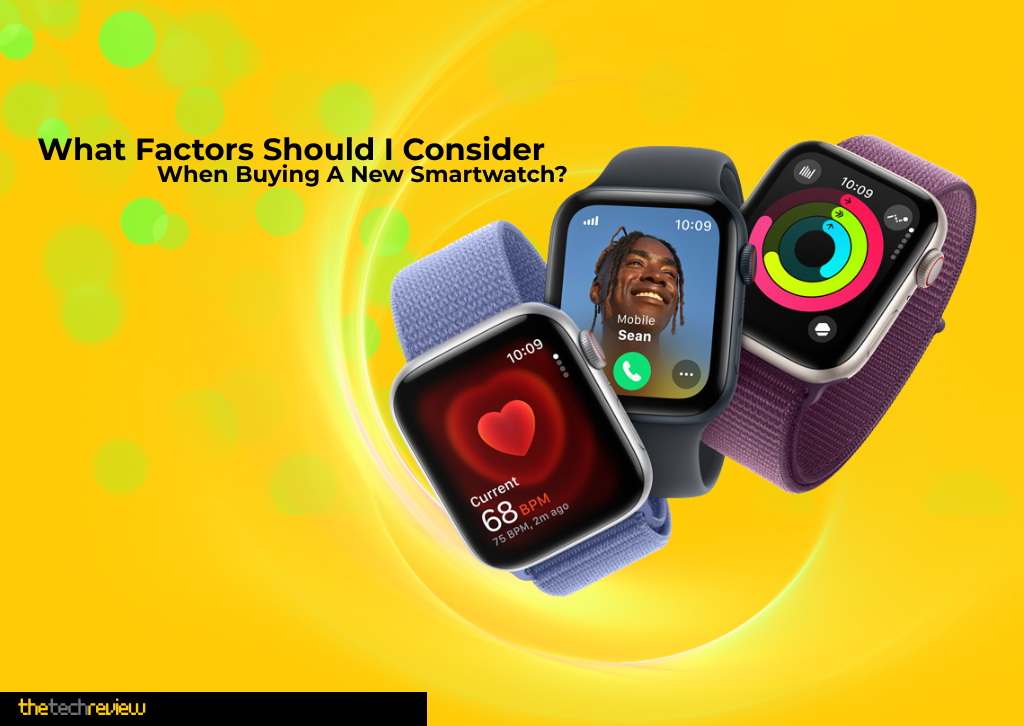
The smartwatch market has evolved dramatically over the past decade, transforming from simple notification displays to sophisticated health monitors, fitness trackers, and miniature computers on your wrist. With dozens of options available across different price ranges and feature sets, choosing the right smartwatch can feel overwhelming. Whether you’re a fitness enthusiast, a tech professional, or someone looking to streamline daily tasks, understanding the key factors and available options will help you make an informed decision.
Understanding Platform Compatibility: Android vs iOS
One of the most crucial decisions you’ll face when selecting a smartwatch is understanding how different devices work with your smartphone’s operating system. This compatibility factor significantly impacts your available options and overall user experience.
iOS Ecosystem
If you’re an iPhone user, your choices are somewhat limited but generally more streamlined. Apple has designed the Apple Watch to work exclusively with iPhones, creating a tightly integrated ecosystem that offers seamless functionality. While this exclusivity might seem restrictive, it ensures optimal performance and feature availability. iPhone users can also consider cross-platform options, though they may sacrifice some advanced features for broader compatibility.
Android Ecosystem
Android users enjoy significantly more variety in smartwatch options. Google’s Wear OS platform supports devices from multiple manufacturers, while Samsung’s Galaxy Watch series uses the company’s own Tizen-based One UI Watch platform. Additionally, many fitness-focused brands like Garmin, Fitbit, and others offer watches that work well with Android devices through dedicated apps.
Cross-Platform Compatibility
Several smartwatch options work with both iOS and Android devices, making them attractive choices for users who might switch platforms or households with mixed device preferences. These typically include fitness-focused watches from Garmin, Fitbit, and some newer entries like the CMF by Nothing Watch Pro.
Major Smartwatch Options by Platform
Apple Watch Series
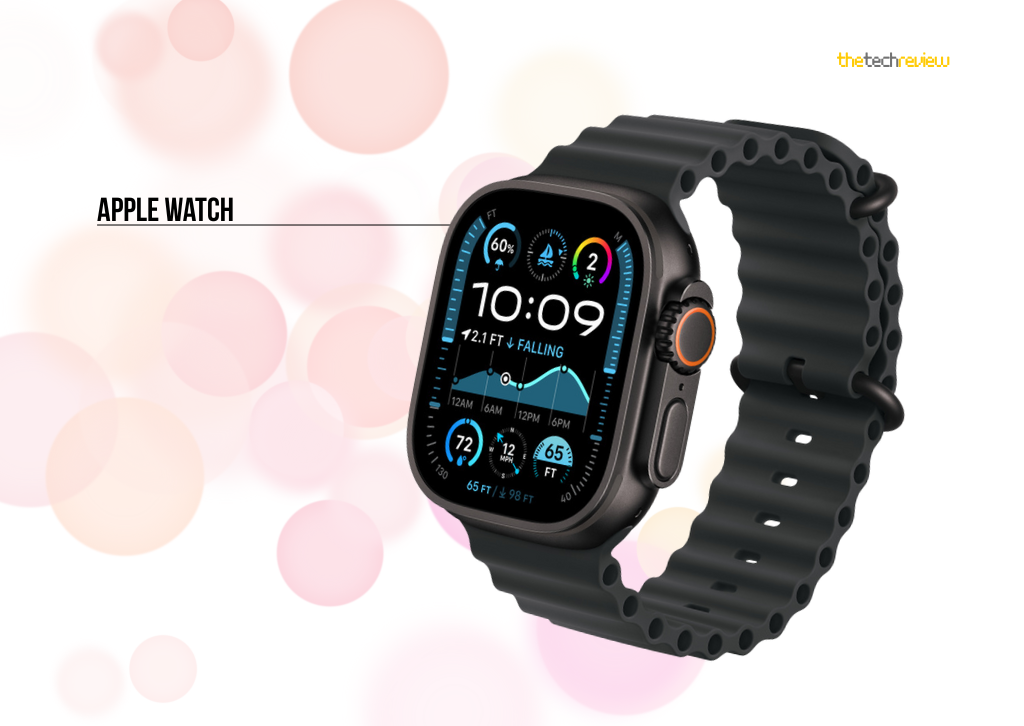
The Apple Watch remains the gold standard for iOS users, offering the most comprehensive integration with iPhone features. The current lineup includes several models designed for different use cases and budgets.
Apple Watch Series 9 serves as the flagship model, featuring the S9 chip with improved performance and on-device Siri processing. It includes advanced health monitoring capabilities such as ECG readings, blood oxygen monitoring, and temperature sensing. The Always-On Retina display provides excellent visibility in all conditions, while the Digital Crown and side button offer intuitive navigation.
Apple Watch SE (2nd Generation) provides a more affordable entry point into the Apple Watch ecosystem while maintaining essential features like fitness tracking, heart rate monitoring, and crash detection. Though it lacks some premium health sensors, it delivers the core Apple Watch experience at a lower price point.
Apple Watch Ultra 2 targets extreme sports enthusiasts and professionals requiring maximum durability and battery life. Built with titanium construction and featuring a larger 49mm display, it includes specialized features like precision dual-frequency GPS, a depth gauge for diving, and an Action Button for quick access to workout modes.
Samsung Galaxy Watch Series
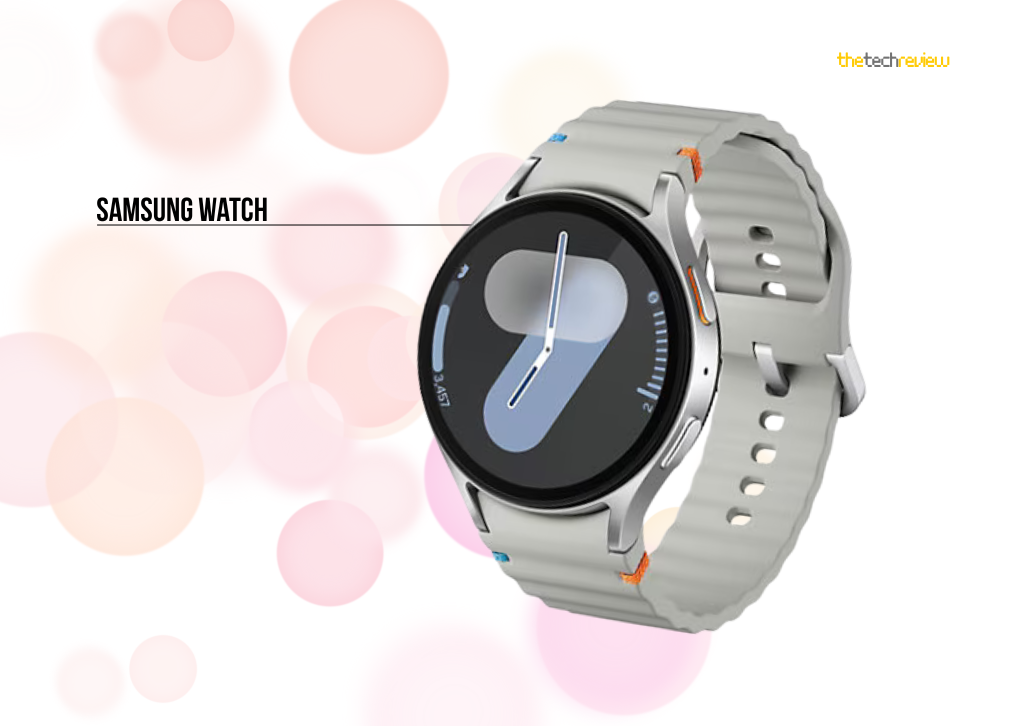
Samsung’s Galaxy Watch lineup offers the most compelling alternative for Android users, particularly those within the Samsung ecosystem. These watches run Samsung’s One UI Watch platform, which provides smooth performance and extensive customization options.
Galaxy Watch6 and Watch6 Classic represent Samsung’s current flagship offerings. The Watch6 features a sleek, modern design with comprehensive health tracking including body composition analysis, sleep monitoring, and irregular heart rhythm notifications. The Watch6 Classic adds a rotating bezel for navigation, appealing to users who prefer tactile interaction methods.
Galaxy Watch5 Pro caters to fitness enthusiasts with enhanced GPS accuracy, longer battery life, and more robust construction. Its larger size accommodates a bigger battery while maintaining compatibility with standard watch bands.
Samsung watches integrate exceptionally well with Galaxy smartphones but also function adequately with other Android devices. iPhone compatibility exists but with limited functionality compared to Android usage.
Google Pixel Watch Series
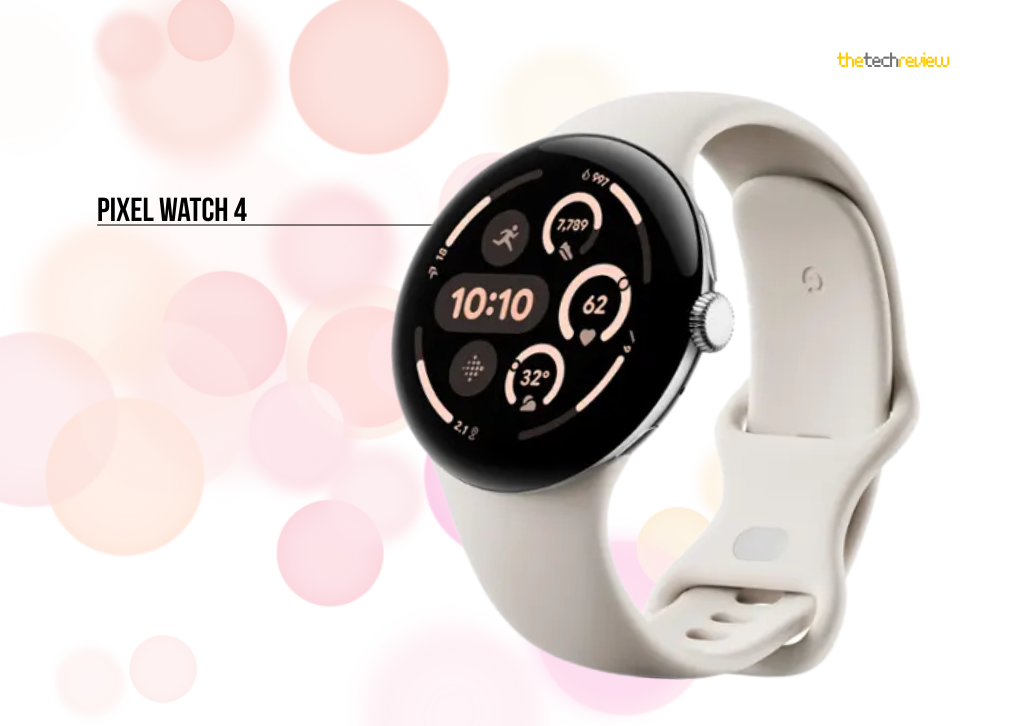
Google’s entry into the smartwatch market brought Wear OS to the forefront with devices that showcase the platform’s capabilities. The Pixel Watch 2 improved upon the original with better performance, enhanced health tracking through Fitbit integration, and longer battery life.
The Pixel Watch emphasizes Google services integration, making it ideal for users heavily invested in Google’s ecosystem. It features Fitbit’s health and fitness tracking capabilities, Google Assistant, Google Pay, and seamless integration with Google apps.
CMF by Nothing Watch Pro
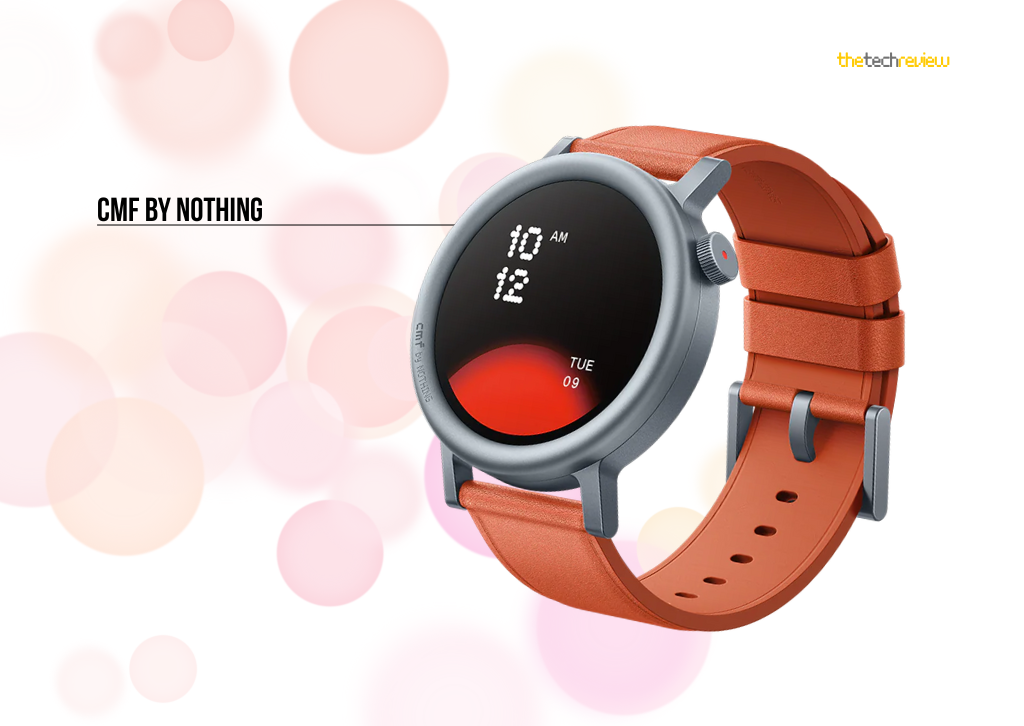
The CMF Watch Pro represents an interesting entry in the budget-conscious segment, offering smartwatch functionality at an attractive price point. This watch provides cross-platform compatibility, working with both iOS and Android devices through the dedicated CMF Watch app.
Key features include a bright AMOLED display, comprehensive fitness tracking, heart rate monitoring, and decent battery life. While it may lack some premium features found in higher-end models, it delivers solid performance for basic smartwatch needs and serves as an excellent entry point for first-time smartwatch users.
Garmin Watch Series
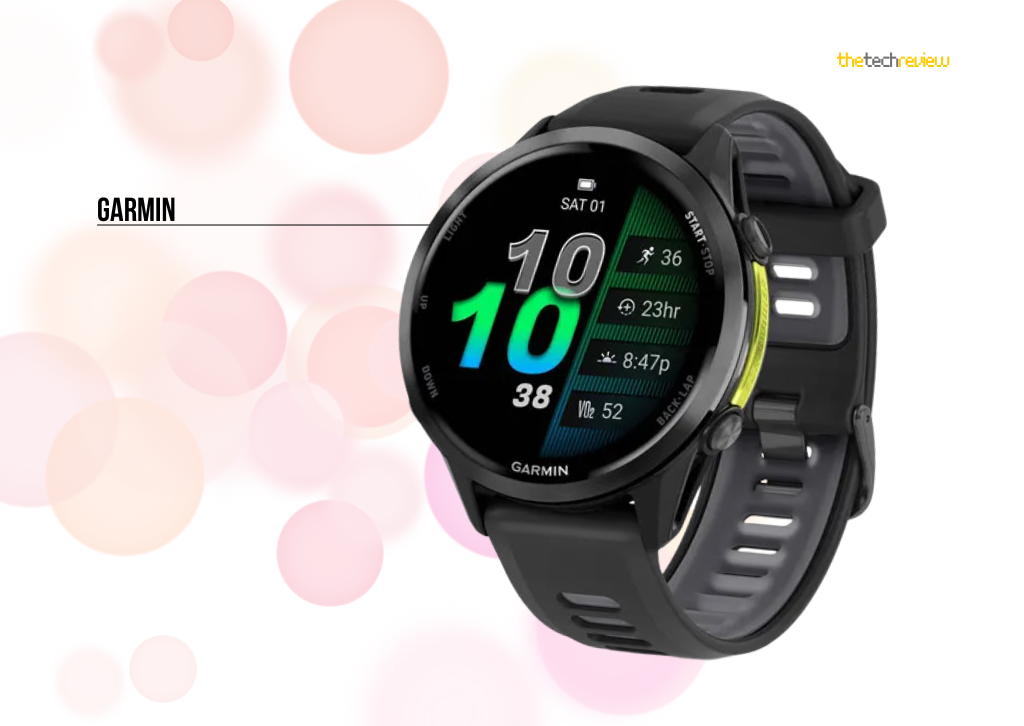
Garmin has established itself as the premier choice for serious athletes and outdoor enthusiasts. Their extensive lineup covers various sports and activities, from running and cycling to diving and aviation.
Garmin Forerunner Series targets runners and triathletes with models ranging from basic GPS tracking to advanced performance metrics. The Forerunner 965 offers comprehensive training analysis, detailed mapping, and multi-week battery life.
Garmin Fenix Series serves as the flagship line for outdoor adventures and extreme sports. These watches feature rugged construction, extensive battery life, and detailed topographic mapping. The Fenix 7 series includes solar charging options for extended adventures.
Garmin Venu Series appeals to users wanting fitness tracking in a more traditional watch design. These models feature vibrant AMOLED displays and comprehensive health monitoring while maintaining Garmin’s renowned GPS accuracy.
Garmin watches excel in cross-platform compatibility, working equally well with both iOS and Android devices through the Garmin Connect app.
Other Notable Options
Fitbit Versa and Sense Series focus primarily on health and fitness tracking with some smartwatch functionality. Google’s acquisition of Fitbit has led to improved integration with Wear OS features.
Amazfit Watches offer budget-friendly options with impressive battery life and basic smartwatch features. Models like the GTR and GTS series provide good value for users prioritizing affordability.
Huawei Watch GT Series delivers excellent battery life and fitness tracking, though limited app ecosystem availability in some regions affects functionality.
OnePlus Watch provides Android users with another alternative, featuring fast charging and health monitoring capabilities at competitive pricing.
Cross-Platform Compatible Options
Several smartwatch options work effectively with both iOS and Android devices, though the level of integration may vary between platforms.
Garmin Watches lead this category, offering identical functionality regardless of your smartphone platform. The Garmin Connect app provides comprehensive data analysis and customization options for both iOS and Android users.
Fitbit Devices work well across platforms, though some advanced features may require premium subscriptions. The Fitbit app maintains consistent functionality between iOS and Android.
CMF Watch Pro specifically designed for cross-platform compatibility, ensures basic smartwatch features work similarly on both operating systems.
Amazfit Watches generally support both platforms through the Zepp app, though some features may vary between iOS and Android implementations.
Key Factors to Consider Before Purchase
Health and Fitness Tracking Capabilities
Modern smartwatches have evolved into comprehensive health monitoring devices. Consider which health metrics matter most to your lifestyle and wellness goals.
Basic Health Monitoring includes heart rate tracking, step counting, and sleep analysis. Nearly all current smartwatches provide these features, though accuracy and presentation may vary between brands.
Advanced Health Features encompass ECG readings, blood oxygen monitoring, stress tracking, and body composition analysis. Premium models from Apple, Samsung, and Garmin excel in these areas.
Specialized Sports Tracking becomes important for athletes and fitness enthusiasts. Consider whether you need specific sport modes, GPS accuracy, training analysis, or recovery recommendations.
Health App Integration affects how you’ll access and analyze your health data. Apple Health, Google Fit, Samsung Health, and Garmin Connect offer different strengths in data presentation and third-party app integration.
Battery Life and Charging
Battery performance varies dramatically between smartwatch models and significantly impacts daily usability.
All-Day Battery Life should be the minimum expectation, allowing you to wear your watch from morning until bedtime without charging concerns. Most mainstream smartwatches achieve 18-24 hours of typical usage.
Multi-Day Battery Life becomes valuable for travelers, outdoor enthusiasts, or users who prefer minimal charging frequency. Garmin watches typically excel in this area, with some models lasting weeks between charges.
Charging Speed and Method affects convenience and travel requirements. Some watches feature rapid charging capabilities, while others use proprietary chargers that may be difficult to replace.
Always-On Display Impact significantly affects battery life. Consider whether you need constant display visibility or can accept raise-to-wake functionality for better battery performance.
Display Quality and Size
The display serves as your primary interaction point with the smartwatch, making its quality and size crucial considerations.
Display Technology varies between OLED, AMOLED, and LCD panels. OLED and AMOLED typically offer better contrast and color reproduction, while LCD may provide better outdoor visibility in some conditions.
Screen Size and Resolution affect both functionality and comfort. Larger displays enable easier interaction but may feel bulky on smaller wrists. Consider trying different sizes to determine your comfort preference.
Always-On Capability allows constant time and information visibility without raising your wrist. This feature impacts battery life but improves convenience and traditional watch aesthetics.
Outdoor Visibility becomes important if you spend significant time in bright sunlight. Some displays perform better than others in challenging lighting conditions.
Build Quality and Durability
Smartwatches endure daily wear and potential impacts, making construction quality an important consideration.
Case Materials range from aluminum and stainless steel to titanium and ceramic. Each offers different balances of weight, durability, and aesthetics.
Water Resistance ratings indicate suitability for different activities. Basic splash resistance suffices for daily wear, while swimming or diving requires higher protection levels.
Screen Protection varies between standard glass, Gorilla Glass, and sapphire crystal. Higher-end protection reduces scratch susceptibility but may increase cost and thickness.
Strap Options and Quality affect comfort and personalization. Consider whether you prefer sport bands, leather straps, or metal bracelets, and verify availability of replacement options.
Smart Features and App Ecosystem
The software experience and available applications significantly impact your smartwatch’s utility.
Notification Management should allow easy reading and response to messages, calls, and app alerts. Consider whether you need full typing capabilities or basic quick responses.
Voice Assistant Integration enables hands-free operation and queries. Apple’s Siri, Google Assistant, and Samsung’s Bixby offer different capabilities and response quality.
App Availability varies dramatically between platforms. Apple Watch offers the most extensive selection, while Wear OS and Samsung provide decent options. Fitness-focused brands typically offer more limited app ecosystems.
Payment Capabilities through NFC enable contactless purchases. Apple Pay, Google Pay, and Samsung Pay work at different merchant locations with varying setup requirements.
Music Storage and Streaming allows offline music playback during workouts or when your phone isn’t nearby. Consider storage capacity and streaming service compatibility.
Price and Value Proposition
Smartwatch prices range from under $100 to over $1000, making budget consideration essential.
Entry-Level Options ($50-200) typically provide basic fitness tracking, notifications, and simple smart features. These suit users wanting to try smartwatch functionality without major investment.
Mid-Range Choices ($200-500) offer comprehensive health tracking, decent app ecosystems, and good build quality. Most users find excellent value in this price segment.
Premium Models ($500+) provide advanced health sensors, premium materials, larger displays, and extensive feature sets. These justify their cost for users requiring maximum capability and quality.
Ongoing Costs may include subscription services for advanced health insights, cellular connectivity, or premium app features. Factor these into your total ownership cost calculation.
Q&A Section
Q: Can I use an Apple Watch with an Android phone? A: No, Apple Watches require an iPhone for setup and full functionality. Apple designed the Apple Watch exclusively for iOS users to ensure optimal integration and performance.
Q: Which smartwatch has the best battery life? A: Garmin watches typically offer the longest battery life, with some models lasting 2-4 weeks in smartwatch mode and even longer in GPS-only mode. For traditional smartwatches with full features, expect 1-3 days depending on usage and settings.
Q: Do I need cellular connectivity on my smartwatch? A: Cellular connectivity allows your watch to function independently of your phone for calls, messages, and internet access. This feature is useful for runners, gym-goers, or anyone who wants to leave their phone behind occasionally. However, it typically costs extra monthly fees and reduces battery life.
Q: How accurate are smartwatch health sensors? A: Modern smartwatch health sensors are generally accurate for trends and general monitoring but shouldn’t replace professional medical devices for diagnostic purposes. Heart rate monitoring is typically very accurate, while features like blood oxygen and ECG provide useful insights but may not match medical-grade equipment precision.
Q: Can I shower or swim with my smartwatch? A: This depends on the water resistance rating. Most modern smartwatches offer at least IPX7 or 5ATM ratings, making them suitable for handwashing and brief water exposure. Swimming requires higher ratings (50M or 5ATM minimum), while diving needs specialized watches with appropriate depth ratings.
Q: How often should I charge my smartwatch? A: Charging frequency depends on your watch model and usage patterns. Most mainstream smartwatches require daily or every-other-day charging, while fitness-focused models like Garmin may last weeks between charges. Always-on displays, GPS usage, and frequent notifications increase power consumption.
Q: What size smartwatch should I choose? A: Smartwatch size affects both aesthetics and functionality. Smaller watches (38-42mm) suit most wrists and provide adequate screen space for basic functions. Larger watches (44-49mm) offer more screen real estate and typically better battery life but may feel bulky on smaller wrists. Try different sizes in person when possible.
Q: Are smartwatches worth it for fitness tracking? A: Smartwatches excel at providing comprehensive fitness data, motivation through achievements, and convenience by combining multiple sensors in one device. They’re particularly valuable for users wanting detailed activity analysis, heart rate monitoring, and integration with smartphone health apps. However, dedicated fitness trackers may offer better battery life and lower cost for basic needs.
Q: Can I replace my traditional watch with a smartwatch? A: This depends on your preferences and requirements. Modern smartwatches can display traditional watch faces and provide timekeeping functionality, but they require regular charging and may not match the aesthetic appeal or longevity of mechanical watches. Many users successfully make this transition, while others prefer wearing both for different occasions.
Q: What happens if I switch phone platforms? A: Platform switching affects smartwatch compatibility differently depending on your device. Apple Watch users must switch to Android-compatible watches when moving to Android phones. However, cross-platform watches like Garmin models work equally well with both iOS and Android, making them ideal for users who might switch platforms in the future.

Discover the future strapped to your wrist! 🕶️⌚ Dive into our expert Wearables Tech Reviews and find out which smartwatch, fitness tracker, or AR gadget is worth your investment.






Wearables
⛰️🌊 The Ultimate Companion: A Deep Dive into the Apple Watch Ultra 3 for Outdoor Adventures
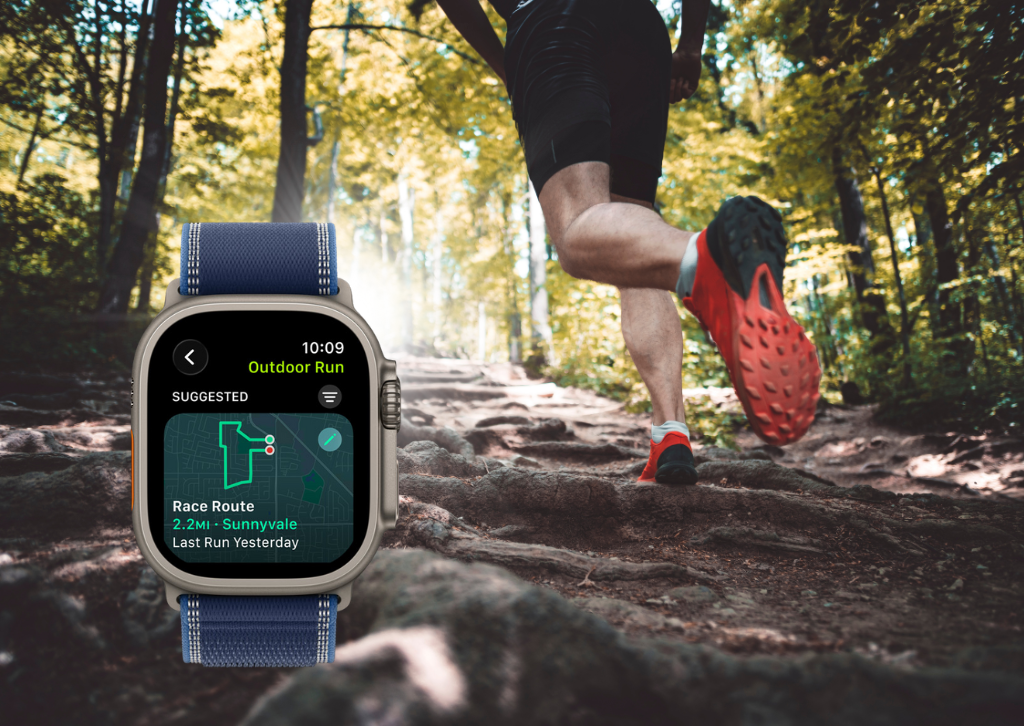
The world of adventure watches has long been dominated by specialized names, but with the introduction of the Apple Watch Ultra series, Apple dramatically shifted the landscape. Now, with the launch of the Apple Watch Ultra 3, the company solidifies its claim to the title of “ultimate adventure companion.” This isn’t just a smartwatch with a tougher shell; it’s a meticulously engineered tool designed to thrive where the pavement ends, whether you are scaling mountain peaks, charting remote trails, or exploring the deep blue.
The Ultra 3 represents a significant, though often subtle, refinement of an already formidable platform. While visually similar to its predecessor, its enhancements in materials, GPS accuracy, and, most importantly, battery endurance, make it a powerhouse for serious outdoor enthusiasts. For those whose activities demand reliability, precision, and the ability to stay connected when it truly counts, the Ultra 3 is more than a gadget—it’s an essential piece of gear.
💪 Forged for Extremes: Design, Durability, and the Action Button
The first impression of the Apple Watch Ultra 3 is one of uncompromising toughness. Built with a 49mm aerospace-grade titanium case, it strikes a perfect balance between ruggedness and wearability. The choice of titanium, now utilizing a percentage of recycled material in the Ultra 3, provides superior strength-to-weight ratio, ensuring the watch can handle impacts and abrasions without feeling cumbersome on the wrist. This case is fortified by a flat sapphire crystal display, which is incredibly resistant to scratches—a critical feature when scrambling over rocks or navigating tight brush.
The watch is tested to the rigorous MIL-STD 810H military standard, certifying its resilience against altitude, high/low temperatures, shock, and vibration. Its 100-meter water resistance rating and EN13319 certification mean it’s not just splash-proof, but a true instrument for watersports, including recreational scuba diving down to 40 meters.
The Customizable Command Center
A standout physical feature for the adventurer is the bright orange, customizable Action Button. This button is a game-changer for gloved hands or moments when fine motor control is limited. Unlike the Digital Crown, which requires some dexterity, the Action Button offers a single, large, tactile control.
- For Runners and Triathletes: It can be configured for a Precision Start to instantly begin a workout once a full GPS lock is achieved, eliminating the frustration of an accidental early start or poor initial tracking. It also serves as a quick lap marker.
- For Divers: It can initiate the Oceanic+ dive computer app (a full dive computer for recreational scuba, developed with Huish Outdoors).
- For Hikers: It can drop a Compass Waypoint or instantly engage the Backtrack feature.
- For Emergencies: It can be programmed to instantly trigger the powerful 86-decibel Siren, a pulsing sound designed to attract attention up to 600 feet away.
This ability to re-map a physical control to the most urgent function for a given activity transforms the Ultra 3 from a general-purpose device into a specialized tool for any given outing.
🔋 The Long Game: Powering Multi-Day Expedition
Perhaps the most significant upgrade for the outdoor community is the enhanced battery performance. In an adventure watch, battery life isn’t a luxury; it’s a safety feature. The Ultra 3 is rated for an impressive 42 hours of typical use, which includes workouts, health tracking, and notifications. More importantly for expeditions, it can achieve up to 72 hours in Low Power Mode.
For continuous, high-intensity GPS tracking—the true test of any sports watch—the Ultra 3 excels. Apple’s figures suggest up to 20 hours of outdoor workout in Low Power Mode with full GPS and heart rate readings. This is a critical metric for ultra-marathon runners, long-distance cyclists, or multi-day backpackers. Real-world testing suggests that users running ultra-distances or multi-day hikes can confidently rely on the Ultra 3, especially when optimizing settings like disabling cellular and the Always-On display. The ability to charge to 80% in about 45 minutes also means a quick stop at a power source (or a few minutes with a power bank) can dramatically extend its active life. While still trailing the multi-week battery life of some dedicated sports watches, the Ultra 3 provides a compelling compromise for users who want the full-featured, connected smartwatch experience for 99% of their lives, while still having sufficient battery for most serious weekend adventures.
🗺️ Know Your World: Precision GPS and Navigation
For hikers, trail runners, and backcountry explorers, the Ultra 3’s location services are paramount. The watch features L1 and L5 precision dual-frequency GPS, a sophisticated system that significantly improves accuracy in challenging environments. Traditional GPS can struggle in deep canyons, beneath heavy tree cover, or amidst towering city skyscrapers (the so-called “urban canyon”). The dual-band system works to filter out multi-path errors and provide a cleaner, more reliable track.
The Compass App: Your Backcountry Lifeline
The native Compass app has become a surprisingly powerful navigational tool. It’s no longer just a digital pointer; it’s an essential backcountry lifeline:
- Waypoints: Users can easily drop Waypoints to mark a campsite, a trailhead, or a water source, viewing them as both a bearing and distance on the watch face. The Ultra 3 can even automatically generate a Waypoint for the last place your watch had cellular connectivity, a crucial piece of information before heading deeper off-grid.
- Backtrack: This safety feature is arguably the most important for off-trail exploration. Backtrack automatically records your route, even without cellular service. If you get disoriented, a tap on the Action Button can initiate Backtrack, guiding you back along your exact path to your starting point.
- Offline Maps: Leveraging watchOS 26, the Ultra 3 allows users to download and store detailed topographic maps directly onto the watch. This means turn-by-turn navigation and detailed trail information for thousands of national and regional parks (especially in the U.S.) are accessible even when completely offline. This eliminates the need to constantly pull out a phone or rely on a third-party app for basic navigation.
🏃♀️ Dive Deep and Run Far: Dedicated Activity Tracking
The software is optimized to provide a first-class experience for a variety of demanding sports.
Trail and Ultra Running
For runners, the Ultra 3 tracks a comprehensive suite of advanced running dynamics: vertical oscillation, ground contact time, stride length, and running power. The customizability of the workout view is nearly limitless, allowing users to see their Heart Rate Zones, Pacer, or training load at a glance. While some high-end competitors still hold an edge in deep, proprietary recovery metrics and suggested workouts, the Ultra 3 offers scientific-level accuracy and a platform for excellent third-party running apps like WorkOutDoors to fill any feature gaps. The expanded battery life makes it a viable option for even 100km races when running in Low Power Mode.
Diving and Water Sports
The Ultra 3 is a fully certified dive watch. The Depth app automatically launches when you descend and measures underwater duration, current depth, and water temperature. More advanced recreational divers will utilize the Oceanic+ app, which turns the watch into a fully functional dive computer, calculating decompression limits, displaying No-Deco time, and logging dive data directly on the wrist. For swimmers, it features automatic stroke detection, SWOLF score, and customizable pool swim workouts complete with haptic cues.
📡 The Ultimate Safety Net: Satellite Connectivity
The most significant peace of mind upgrade is the built-in satellite communication capability. When you find yourself far beyond the reach of cellular or Wi-Fi, this feature provides a critical safety net.
- Emergency SOS via Satellite: In a life-threatening scenario, this feature allows you to connect directly to emergency services via satellite, guiding you through a short questionnaire to quickly relay your location and situation.
- Satellite Messaging and Find My: Beyond emergencies, the Ultra 3 enables users to send and receive text messages to friends and family, and share their location via Find My, all while completely off-grid. This is invaluable for coordinating logistics in remote areas, informing loved ones of delays, or simply checking in.
Combined with Fall Detection and Crash Detection—which leverage advanced sensors to automatically call emergency services if a serious fall or car crash is detected and the user is unresponsive—the Ultra 3 is arguably the most comprehensive personal safety device on the market.
✅ Conclusion: The Smart Choice for the Serious Adventurer
The Apple Watch Ultra 3 is a testament to Apple’s commitment to the serious adventurer. It’s a watch that seamlessly integrates the full power of the Apple ecosystem—from music streaming to Apple Pay—with the core competencies of a high-end sports watch. Its refined titanium build, 3,000-nit brightest display for unparalleled outdoor visibility, and improved dual-band GPS are substantial refinements.
While dedicated, single-sport devices may still offer a longer overall battery life, the Ultra 3’s multi-day performance, best-in-class safety features, and the indispensable power of satellite communication and offline mapping make it a unique and compelling choice. It’s for the user who demands a single, accurate, rugged, and connected device for their day-to-day life that can transition, without compromise, to the extremes of a multi-day hike, a marathon, or a recreational dive. The Apple Watch Ultra 3 is more than a watch; it’s a sophisticated tool that empowers exploration while ensuring a route back to safety is always within reach.
Before buying your next wearable, be sure to read all our smart watch tech reviews
Wearables
Sennheiser HD 630VB Headphones Review
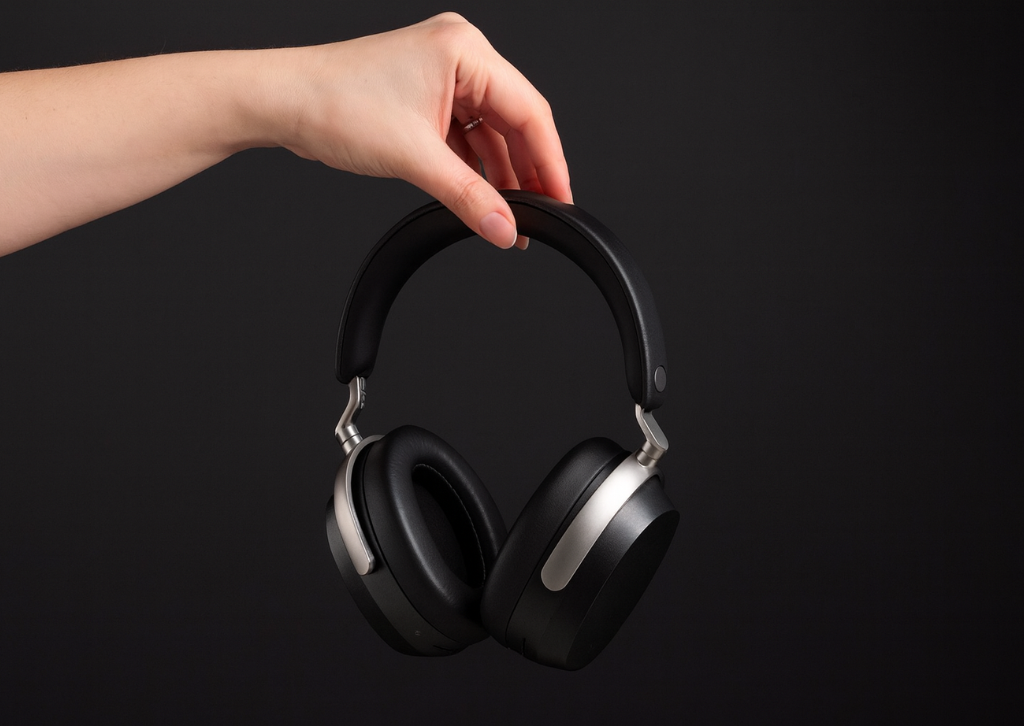
The Sennheiser HD 630VB represents an ambitious attempt to bridge the gap between audiophile-grade sound quality and customizable bass response. With its innovative variable bass control and premium build quality, these closed-back headphones aim to satisfy both purists and bass enthusiasts alike.
Design and Build Quality
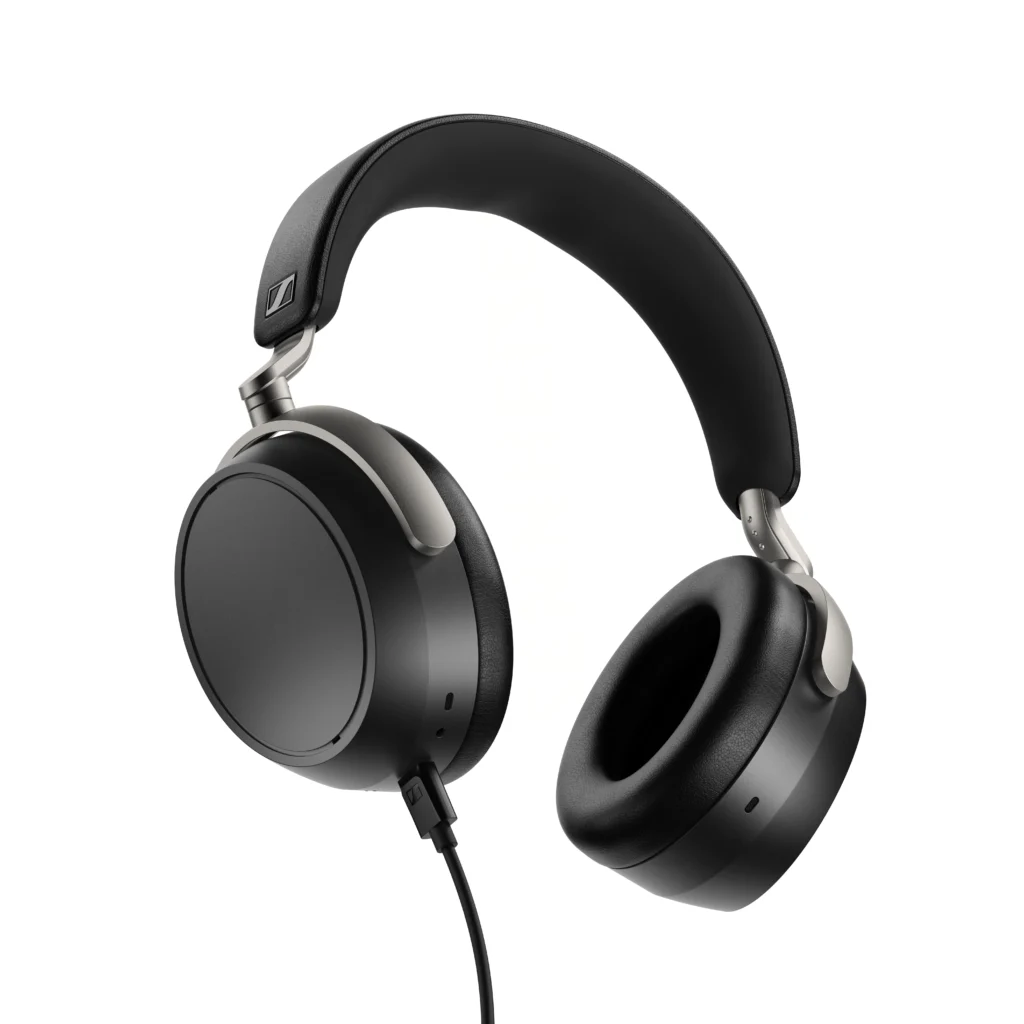
The HD 630VB immediately impresses with its robust construction and premium materials. The headphones feature a mix of metal and high-quality plastic components that feel substantial without being overly heavy. The matte black finish with subtle red accents gives them a sophisticated, understated look that works equally well in the studio or on the street.
The folding mechanism is well-engineered, allowing the headphones to collapse into a compact form factor for travel. The included hard-shell carrying case is a welcome addition that protects your investment during transport.
Comfort
Comfort is where the HD 630VB truly shines. The plush memory foam ear pads are covered in soft leatherette that creates an excellent seal without causing hotspots during extended listening sessions. The headband padding is equally generous, and the clamping force is perfectly balanced—secure enough to stay in place but not so tight as to cause fatigue.
I wore these for 4-hour sessions without discomfort, which is impressive for a closed-back design that typically runs warmer than open-back alternatives.
Sound Quality
This is where things get interesting. The HD 630VB’s party trick is its variable bass dial, which allows you to adjust the low-end response on the fly.
Bass Response: The adjustable bass control ranges from neutral to enhanced, offering genuine versatility. At the minimum setting, the bass is tight, controlled, and well-integrated—perfect for critical listening and mixing work. Dial it up, and you get progressively more low-end presence without the bloat or muddiness that plagues many bass-boosted headphones. Even at maximum, the bass remains relatively clean, though it does start to overshadow the midrange slightly.
Midrange: The mids are clear and detailed with good presence. Vocals come through with natural timbre and texture. There’s occasionally a slight veil compared to Sennheiser’s open-back flagships, but this is typical of closed-back designs and not specific to the HD 630VB.
Treble: The high end is smooth and refined, never harsh or sibilant. Detail retrieval is excellent, though the top-end extension isn’t quite as airy as some competing models. This makes them forgiving with poorly recorded material while still revealing enough detail for critical listening.
Soundstage: For closed-back headphones, the soundstage is respectably wide with decent imaging. Don’t expect the expansive presentation of open-back models, but within the constraints of the design, Sennheiser has done admirable work.
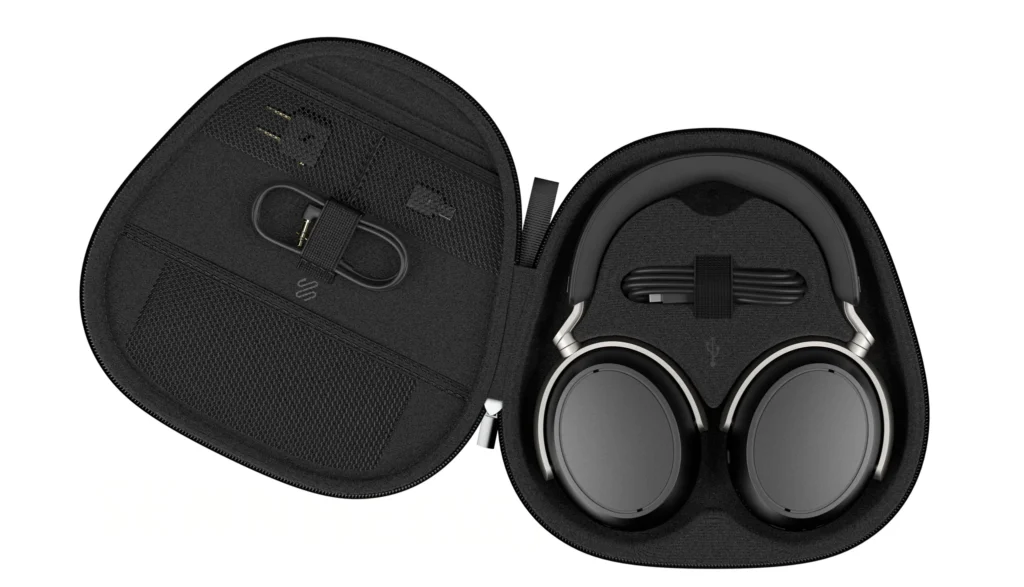
The Variable Bass Feature
The adjustable bass is more than a gimmick—it’s genuinely useful. Whether you’re switching between analytical listening for music production and casual enjoyment, or simply want more thump for electronic music and less for classical, the dial provides meaningful customization. The adjustment is smooth and immediate, with no clicking or detents, allowing for precise tuning.
Isolation and Leakage
The closed-back design provides solid passive isolation, blocking out a good amount of ambient noise. They’re suitable for office use or commuting, though dedicated noise-cancelling headphones will perform better in extremely noisy environments. Sound leakage is minimal at moderate volumes, so you won’t disturb those around you.
Cable and Connectivity
The HD 630VB comes with a detachable cable system using Sennheiser’s proprietary two-pin connector. The included cable is of good quality with minimal microphonics. The 3.5mm termination includes a 6.35mm adapter for use with home audio equipment.
One minor complaint: the cable connector feels slightly fragile, and I’d be cautious about repeatedly connecting and disconnecting it.
Who Should Buy These?
The HD 630VB is ideal for:
- Music producers and audio engineers who want the option to check mixes with variable bass response
- Listeners who enjoy multiple genres with different bass requirements
- Commuters wanting audiophile sound quality with good isolation
- Anyone seeking versatile, premium headphones with excellent build quality

Who Should Look Elsewhere?
These might not be for you if:
- You’re a bass purist who never wants enhanced low end (the HD 600 series would be better)
- You need active noise cancellation for travel
- You prefer the more spacious sound of open-back designs
- You’re on a tight budget (these are premium-priced)
Verdict
The Sennheiser HD 630VB successfully executes a challenging concept: high-quality sound with user-adjustable bass. The build quality, comfort, and sound performance all meet the high standards expected from Sennheiser’s upper-tier products. While they may not replace dedicated reference monitors for critical work, they offer impressive versatility and consistently engaging performance across a wide range of music and use cases.
The variable bass feature elevates these from “just another closed-back headphone” to something genuinely unique in the market. If you value flexibility alongside sonic excellence, the HD 630VB deserves serious consideration.
Pros:
- Excellent build quality and comfort
- Genuinely useful variable bass control
- Clear, detailed sound across the frequency spectrum
- Good passive isolation
- Premium accessories and carrying case
Cons:
- Proprietary cable connector feels slightly fragile
- Premium pricing
- Closed-back design lacks the airiness of open-back alternatives
- Slight midrange veil at maximum bass settings
Final Score: 4/5 Stars – A well-executed concept that delivers versatility without compromising on quality.
All the best headphone reviews in one place
Wearables
TAG Heuer Connected Calibre E5: The Swiss Watchmaker’s Bold Digital Evolution
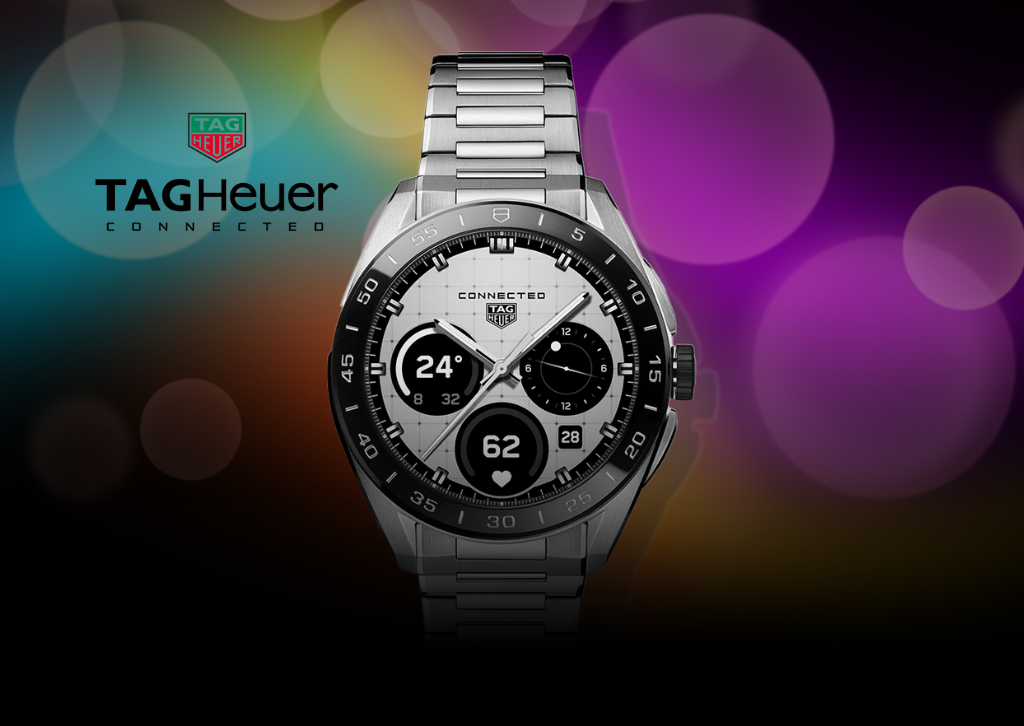
In the rarefied world of Swiss luxury watchmaking, where tradition and mechanical precision have reigned supreme for centuries, TAG Heuer has consistently positioned itself as the maverick willing to embrace innovation. The brand’s latest iteration in its smartwatch lineage, the TAG Heuer Connected Calibre E5, represents not just an incremental update but a sophisticated reimagining of what a luxury connected timepiece can be. This is a watch that boldly straddles two worlds—honoring the heritage of haute horlogerie while delivering cutting-edge digital functionality that today’s discerning consumer demands.
A Legacy of Innovation
To understand the significance of the Calibre E5, one must first appreciate TAG Heuer’s unique position in the luxury smartwatch arena. Unlike many heritage brands that have approached wearable technology with skepticism or outright disdain, TAG Heuer embraced the digital revolution early. The original TAG Heuer Connected, launched in 2015, was a watershed moment—a genuine Swiss luxury brand daring to compete directly with Silicon Valley’s finest. Since then, the Connected line has evolved through multiple generations, each iteration refining the delicate balance between traditional watchmaking aesthetics and modern technological capability.
The Calibre E5 arrives at a moment when the smartwatch market has matured considerably. Early adopters have become sophisticated users with clear expectations, and the novelty of notification delivery has given way to demands for genuine utility, refined design, and seamless integration into daily life. TAG Heuer has listened, and the result is their most accomplished connected timepiece to date.
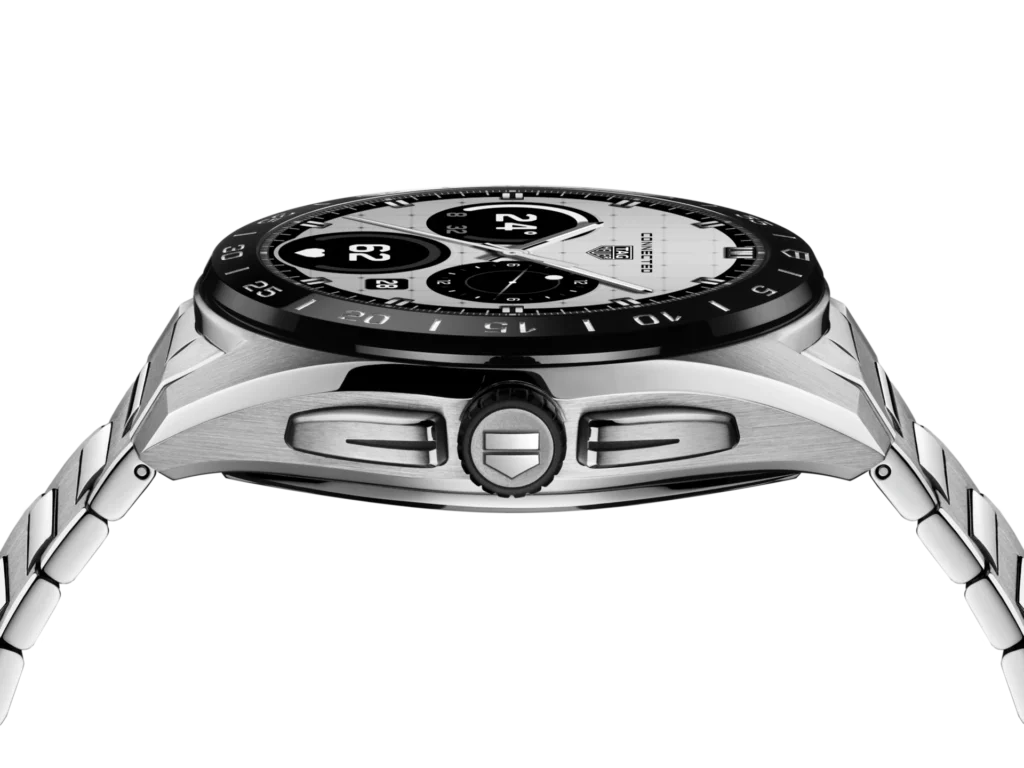
Design Philosophy: Where Tradition Meets Tomorrow
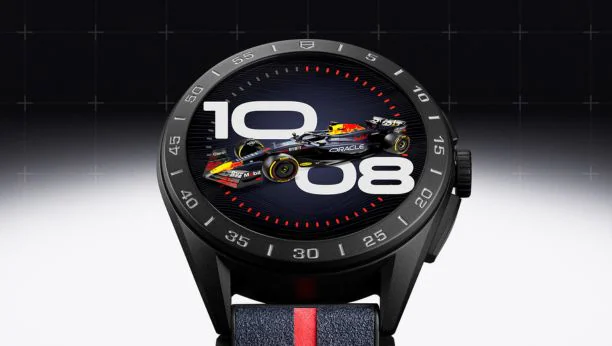
The first thing you notice about the Calibre E5 is how unapologetically watchlike it is. This isn’t a tech device masquerading as a timepiece—it’s a genuine TAG Heuer that happens to be smart. The case, available in both 42mm and 45mm variants, features the brand’s signature sporty-elegant design language with bold lugs, polished and brushed surfaces, and that unmistakable TAG Heuer presence on the wrist.
The attention to detail is extraordinary. The pushers offer satisfying tactile feedback, reminiscent of chronograph buttons on mechanical watches. The crown, adorned with the TAG Heuer shield, rotates with precision to navigate menus—a small touch that makes interaction feel more like winding a traditional watch than operating a computer. The case construction utilizes premium materials including titanium and grade 2 titanium options, keeping weight manageable while ensuring durability that befits the TAG Heuer name.
Perhaps most impressively, TAG Heuer hasn’t compromised on water resistance. The Calibre E5 maintains a robust 50-meter water resistance rating, making it suitable for swimming and water sports—a crucial feature for a brand with deep connections to motorsports and athletic performance.
The display represents a significant leap forward. TAG Heuer has equipped the Calibre E5 with a brilliant OLED screen that delivers exceptional brightness, deep blacks, and vibrant colors. The resolution ensures that watch faces—whether digital interpretations or faithful recreations of classic TAG Heuer dials—appear sharp and legible in all lighting conditions. The always-on display functionality means you’re never stuck with a blank wrist, maintaining that essential characteristic of a traditional watch: the ability to check the time at a glance without gesture or button press.
The Strap Story
Understanding that personalization is paramount in luxury goods, TAG Heuer offers an extensive array of strap options for the Calibre E5. The quick-release system allows owners to effortlessly switch between sporty rubber straps perfect for the gym or golf course, sophisticated leather options ideal for the boardroom, and elegant bracelet designs that elevate the watch for formal occasions.
The rubber straps deserve special mention—they’re not the generic silicone affairs found on many smartwatches. Instead, TAG Heuer has developed proprietary rubber compounds that resist wear, repel water and sweat, and maintain their appearance over extended use. The leather options showcase the brand’s commitment to quality, with supple calfskin and exotic leather choices that develop character with age, much like straps on traditional luxury watches.
The bracelet options are where TAG Heuer’s watchmaking heritage truly shines. Whether opting for the sporty three-link design or the more refined five-link option, the bracelets feature solid links, beautifully finished surfaces, and micro-adjustment clasps that ensure perfect fit. These aren’t afterthoughts—they’re engineered with the same precision as bracelets on TAG Heuer’s mechanical timepieces.
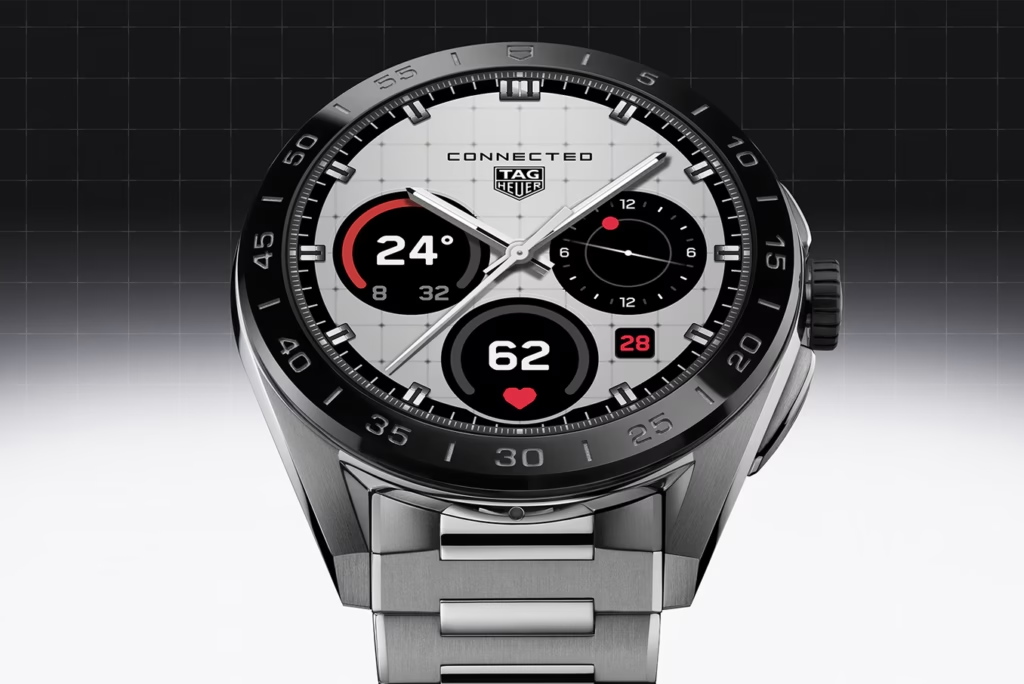
Software and User Experience
The Calibre E5 runs on Wear OS 3, representing a significant partnership between TAG Heuer and Google. This latest version of Wear OS delivers improved performance, better battery optimization, and enhanced integration with both Android smartphones and, importantly, iPhones. While Android users naturally enjoy deeper integration, TAG Heuer has worked to ensure iPhone owners don’t feel like second-class citizens—a common complaint in the broader smartwatch landscape.
Navigation through the interface is intuitive, leveraging the rotating crown, responsive touchscreen, and strategically placed pushers. TAG Heuer has developed a custom launcher that maintains visual consistency with their brand identity while providing quick access to frequently used functions. The learning curve is minimal, even for those new to smartwatches.
Where the Calibre E5 truly distinguishes itself is in the watch face library. TAG Heuer has meticulously recreated many of their most iconic dial designs, from the racing-inspired Carrera to the sophisticated Monaco square case aesthetic, adapted for the round display. These aren’t simple photos of watch dials—they’re carefully crafted digital interpretations that respect the original designs while taking advantage of the medium. Animated elements, like sweeping chronograph hands or rotating bezels, add life without feeling gimmicky.
Beyond the official TAG Heuer faces, the Wear OS ecosystem provides access to thousands of third-party options, though discerning owners will likely gravitate toward the brand’s curated selection that maintains the luxury aesthetic they paid for.
Health and Fitness Capabilities
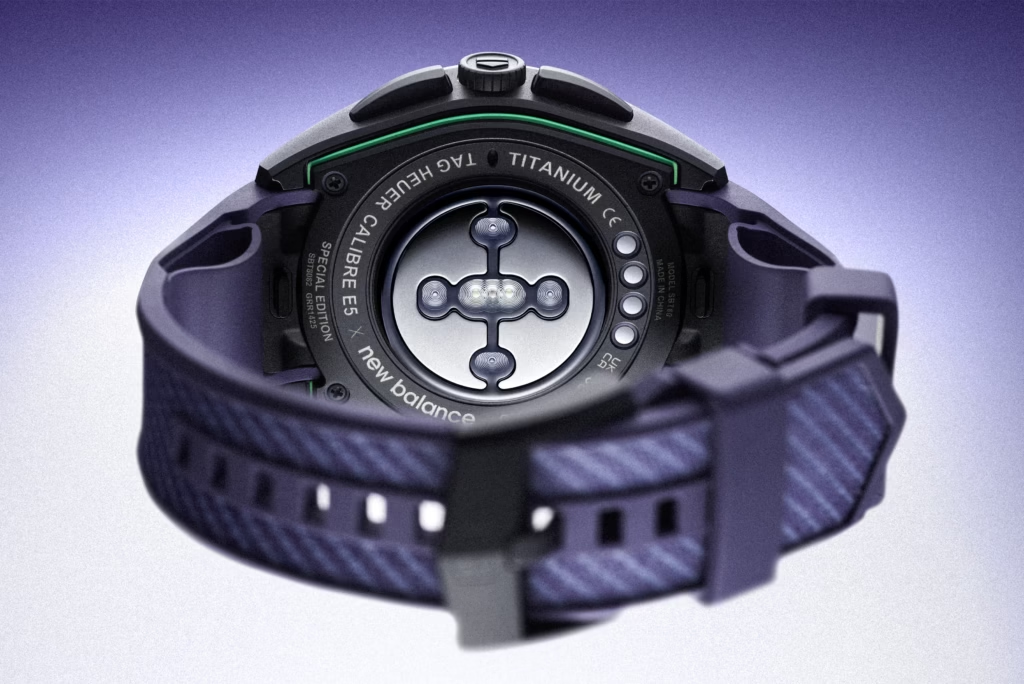
A luxury smartwatch in 2025 must deliver comprehensive health and fitness tracking, and the Calibre E5 doesn’t disappoint. The sensor array on the caseback includes an advanced optical heart rate monitor, blood oxygen saturation sensor, and accelerometer. Together, these enable continuous health monitoring throughout the day and night.
Heart rate tracking provides real-time data during workouts and can alert users to unusual patterns. Sleep tracking has been refined to offer detailed insights into sleep stages, quality, and recommendations for improvement. The stress monitoring feature uses heart rate variability to gauge stress levels and prompt breathing exercises when needed.
For fitness enthusiasts, the Calibre E5 offers an impressive suite of workout tracking options. Whether you’re running, cycling, swimming, playing golf, or engaging in strength training, dedicated modes provide relevant metrics and post-workout analysis. GPS functionality is built-in, ensuring accurate route tracking and pace data without needing your phone. The watch can even suggest recovery times based on workout intensity and your fitness level.
TAG Heuer’s partnership with premium fitness apps means seamless data synchronization with platforms like Strava, allowing athletes to maintain their established ecosystems while enjoying the luxury experience of the Calibre E5.
Everyday Utility
Beyond health and fitness, the Calibre E5 serves as a capable daily companion. Notification management is customizable and non-intrusive—you control which apps can interrupt your day and how prominently alerts appear. Reading messages, emails, and app notifications on the crisp display is effortless, and quick replies via voice dictation or preset messages keep you connected without constantly reaching for your phone.
Contactless payments via Google Pay transform the watch into a wallet replacement. A quick tap of your wrist at payment terminals worldwide completes transactions securely and conveniently—particularly useful during workouts or when traveling light.
Music control is seamless, whether you’re managing playback from your phone or streaming directly from the watch via built-in storage and LTE connectivity on equipped models. The LTE option, available on select configurations, provides genuine independence from your smartphone for calls, messages, and data—perfect for running errands or exercising without the bulk of a phone.
Voice assistant integration brings Google Assistant to your wrist, enabling voice commands for everything from setting timers and reminders to controlling smart home devices and searching for information.
Battery Life: The Eternal Compromise
Battery life remains the Achilles’ heel of virtually every smartwatch, and the Calibre E5 is no exception. TAG Heuer claims up to a full day of use with typical activity, which in practice means you’ll need to charge nightly. Heavy users who engage GPS workouts, stream music, and use LTE connectivity aggressively may find themselves reaching for the charger before bedtime.
However, TAG Heuer has implemented several power management strategies. Battery saver modes extend runtime by limiting background processes and reducing display brightness. The watch can be configured to disable certain power-hungry features during specific hours, optimizing longevity when you need it most.
The charging solution is elegant—a magnetic puck that snaps securely to the caseback and delivers relatively fast charging. A full charge typically takes about 90 minutes, and a quick 30-minute top-up provides several hours of additional use.
For those who find nightly charging unacceptable, TAG Heuer offers a unique program: purchasers of the Calibre E5 can, after two years, exchange their smartwatch for a mechanical TAG Heuer timepiece from select collections, with a portion of the original purchase price credited. This innovative approach acknowledges that smartwatch obsolescence differs from traditional timepieces while providing a pathway to Swiss mechanical watchmaking.
The Luxury Proposition
At its core, the TAG Heuer Connected Calibre E5 poses a fascinating question: what is luxury in the digital age? The watch commands a premium price—ranging from approximately $1,800 to $2,600 depending on configuration—placing it firmly in luxury territory and well above mainstream smartwatch offerings.
This pricing reflects more than specifications. You’re paying for Swiss design heritage, premium materials, exceptional build quality, and the cachet of wearing a genuine luxury brand. The Calibre E5 makes a statement that generic smartwatches cannot—it signals taste, appreciation for quality, and an unwillingness to compromise on either technology or style.
For TAG Heuer loyalists who own mechanical pieces from the brand, the Calibre E5 offers a compelling companion watch—perfect for workouts, travel, or situations where a connected device proves more practical than a mechanical timepiece, without forcing a departure from the brand ecosystem.
The Verdict
The TAG Heuer Connected Calibre E5 succeeds in a challenge that has confounded many luxury watchmakers: creating a smartwatch that doesn’t feel like a compromise. It’s unmistakably a TAG Heuer, with all the design sophistication and quality that implies, while delivering modern connected functionality that genuinely enhances daily life.
Is it perfect? No. Battery life remains a daily consideration, and the price will give many potential buyers pause when capable smartwatches exist at a fraction of the cost. But those criticisms miss the point. The Calibre E5 isn’t competing on specifications or value—it’s offering something intangible that only a true luxury brand can provide.
For the person who appreciates fine watchmaking but lives in the modern world, who wants their technology to be beautiful, who refuses to accept that connected devices must be disposable commodities—the TAG Heuer Connected Calibre E5 makes a compelling argument. It’s a watch for people who wear watches, reimagined for an era where staying connected matters but doing so with style matters more.
In bridging the historic divide between Swiss watchmaking tradition and Silicon Valley innovation, TAG Heuer has created not just a product, but a vision of how luxury and technology can coexist harmoniously on the wrist. The Calibre E5 isn’t the future of watchmaking—it’s the sophisticated present, for those bold enough to embrace it.
Before buying your next wearable, be sure to read all our smart watch tech reviews


DeleteMe: Your Digital Privacy Guardian in an Age of Data Exploitation

The Mid-Range Redefined: A Comprehensive Review of the Nikon Z6 III

The Canon PowerShot ELPH 360 HS: A Deep Dive into the Pocket-Sized Powerhouse

Sony FE 16mm f/1.8 G Review: The Ultra-Wide Prime for the Modern Creator

Clash of the Titans: 13″ iPad Pro M4 vs. Samsung Galaxy Tab S10 Ultra – Which Premium Tablet Reigns Supreme?

The Guardian of Your Threshold: An In-Depth Review of the Google Nest Doorbell
-
 Photography1 year ago
Sony FE 16mm f/1.8 G Review: The Ultra-Wide Prime for the Modern Creator
-
 Tablets1 year ago
Clash of the Titans: 13″ iPad Pro M4 vs. Samsung Galaxy Tab S10 Ultra – Which Premium Tablet Reigns Supreme?
-
 Home Tech1 year ago
The Guardian of Your Threshold: An In-Depth Review of the Google Nest Doorbell
-

 Computers1 year ago
Asus ProArt Display 6K PA32QCV Review: A Visual Feast for Professionals
-

 Computers1 year ago
ASUS Zenbook Duo: A Pretty Awesome Dual-Screen Laptop
-

 Photography1 year ago
Adobe’s “Project Indigo” is the iPhone Camera App We’ve Been Waiting For, and It’s Awesome
-

 Home Tech1 year ago
Revolution R180 Connect Plus Smart Toaster: More Than Just Toast?
-

 Photography1 year ago
DJI Osmo 360 go: The Next Generation of Immersive Storytelling?
-

 Health Tech1 year ago
Lumen Metabolism Tracker: A Deep Dive into Your Metabolic Health
-

 Computers1 year ago
Apple Mac Studio Review: A Desktop Powerhouse Redefined
-

 Computers1 year ago
Samsung 15.6” Galaxy Book5 360 Copilot AI Laptop: A Deep Dive into the Future of Productivity
-

 Wearables1 year ago
Bowers & Wilkins Pi8 McLaren Edition Review: A Supercar for Your Ears?