
Smart Phones
Google Unveils the Pixel 10 Lineup, Supercharged with AI and an Expanded Family of Devices
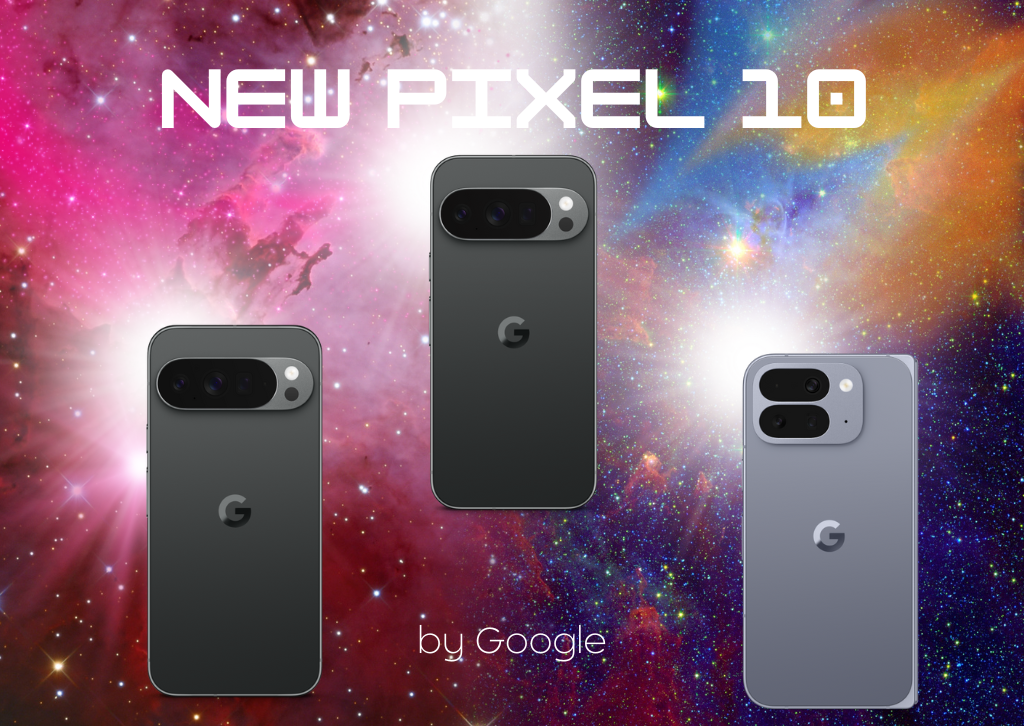
Pixel 10 Is Here
Google today officially took the wraps off its highly anticipated Pixel 10 series, introducing a new lineup of smartphones that heavily leverage artificial intelligence to deliver a more helpful and personalized user experience. The expanded family includes the Pixel 10, Pixel 10 Pro, a larger Pixel 10 Pro XL, and the next-generation foldable, the Pixel 10 Pro Fold. All new devices are available for pre-order starting today.
At the heart of the new Pixel 10 lineup is Google’s next-generation Tensor G3 chip, which powers a host of new AI-driven features. A new “Magic Editor” in Google Photos allows users to dramatically edit and reimagine their photos, while an “Audio Magic Eraser” intelligently removes unwanted sounds from videos. The Google Assistant also receives a significant upgrade, with more natural conversational abilities and the power to summarize web pages and articles.
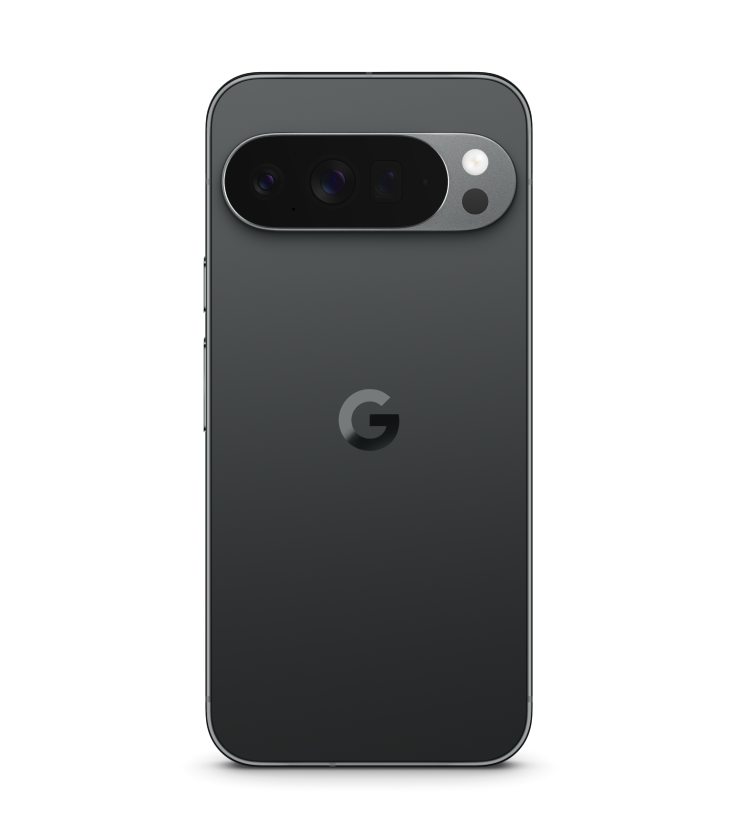
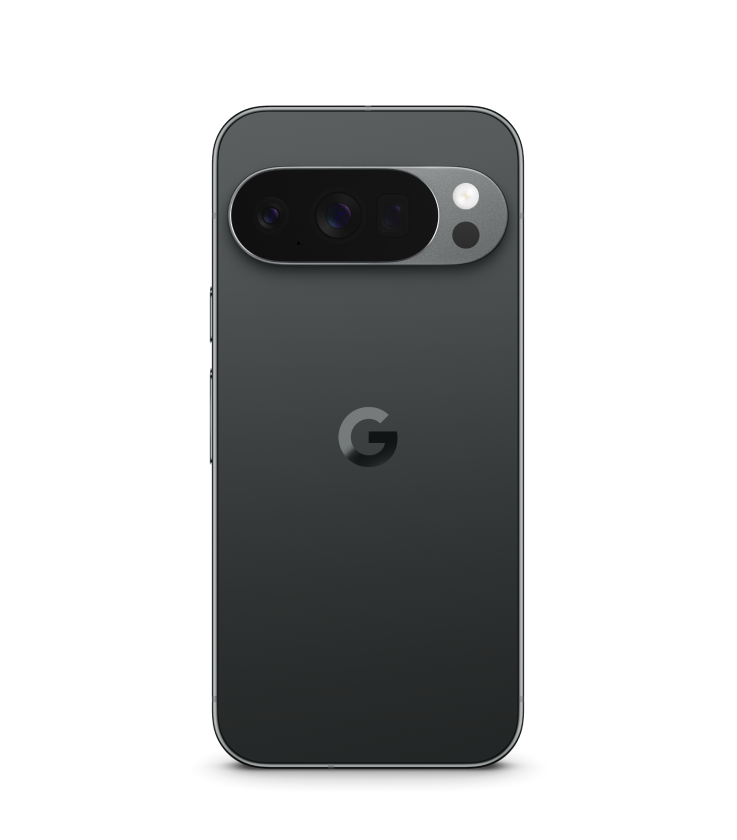
Pixel 10 and Pixel 10 Pro: A Refined Experience
The core of the lineup, the Pixel 10 and Pixel 10 Pro, feature a refined design with a smoother, soft-touch matte finish on the back and a polished aluminum frame. The signature camera bar remains, but with a more integrated and streamlined look.
The Pixel 10 sports a 6.2-inch “Actua” display that Google claims is their brightest yet, making it easier to see in direct sunlight. It comes equipped with an upgraded dual-camera system, featuring a new 50-megapixel main sensor and an improved ultrawide lens.
The Pixel 10 Pro steps up with a larger 6.7-inch “Super Actua” LTPO display, offering a variable refresh rate for smoother scrolling and improved battery life. The Pro model boasts a triple-camera system, including a 50-megapixel main camera, an upgraded ultrawide lens with macro focus capabilities, and a 48-megapixel telephoto lens with 5x optical zoom.
Introducing the Pixel 10 Pro XL: More Screen, More Power
For the first time, Google is introducing a larger “XL” variant to its Pro lineup. The Pixel 10 Pro XL shares the same core features and camera system as the Pixel 10 Pro but boasts a more expansive 6.9-inch display and a larger battery, catering to users who prioritize screen real estate and extended usage.
The Next Chapter in Foldables: The Pixel 10 Pro Fold
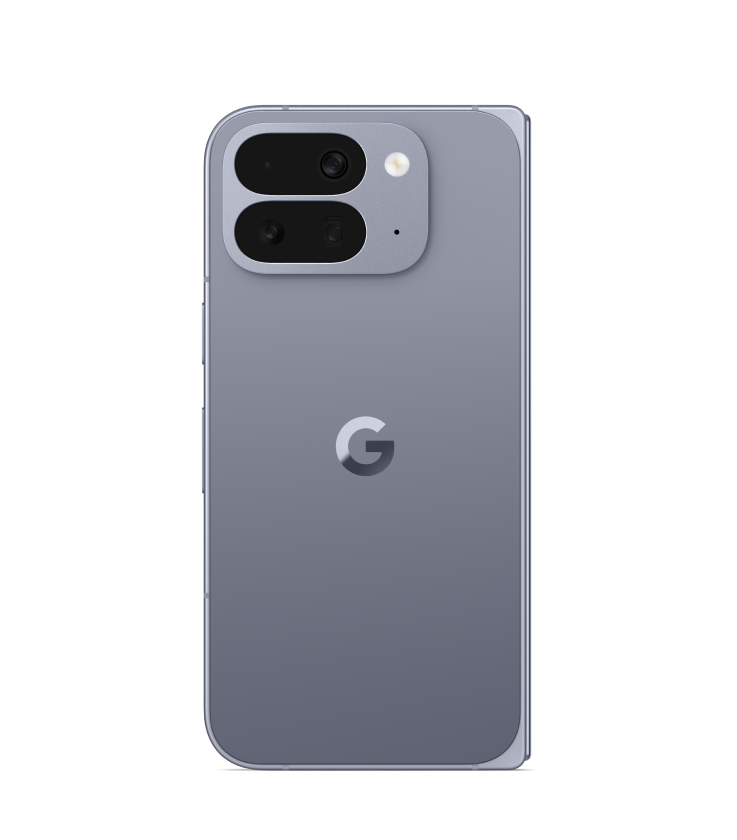
Google also unveiled the Pixel 10 Pro Fold, its second-generation foldable smartphone. Thinner and lighter than its predecessor, the new Fold features a more durable hinge and a refined design. When closed, it presents a familiar smartphone experience with a 6.2-inch outer display. Unfolded, it reveals a tablet-sized 7.8-inch inner display, ideal for multitasking and immersive content consumption. The Pixel 10 Pro Fold is powered by the same Tensor G3 chip and features a specialized camera system optimized for its unique form factor.
Pricing and Availability
The Pixel 10 starts at $699, while the Pixel 10 Pro begins at $999. The new Pixel 10 Pro XL is priced from $1,099. The Pixel 10 Pro Fold will be available for $1,799. Pre-orders for all new Pixel devices begin today, with general availability in stores starting August 28th. The devices will be available in a range of new colors, including “Porcelain,” “Obsidian,” and a new “Bay” blue.

If you are looking for more Google product reviews, you’ve come to the right place.





Smart Phones
Nothing Phone (3a) Lite: A Budget Entry with Transparent Design and Controversial Compromises
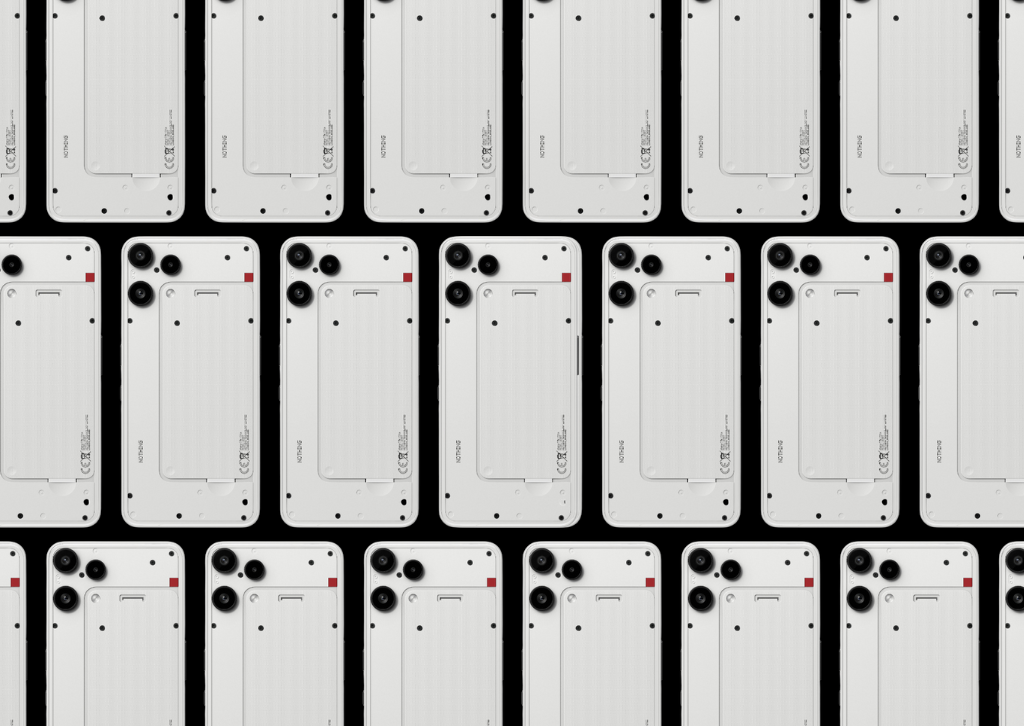
Nothing has officially launched its most affordable smartphone yet, the Nothing Phone (3a) Lite, marking the brand’s first true entry-level device. The phone debuted at €249 (approximately $270 USD or £249) for the base model with 8GB RAM and 128GB storage, positioning it as the fourth addition to the company’s 2025 Phone lineup.
Design and Display
The Phone (3a) Lite features a glass back that showcases Nothing’s most subtle design to date, departing from the colorful plastic shells of the CMF series. However, the signature Glyph lighting system has been significantly pared down — most of the Glyph Lights from the Phone (3a) have been replaced by a single LED at the bottom right corner.
The device sports a 6.77-inch flexible AMOLED display with Full HD+ resolution (1080 x 2392), a 120Hz adaptive refresh rate, and peak brightness reaching 3,000 nits. The screen supports 10-bit color depth and includes 2160Hz PWM dimming to reduce eye strain during prolonged use.
Performance and Hardware
Under the hood, the Phone (3a) Lite runs on the MediaTek Dimensity 7300 Pro chipset paired with 8GB of RAM. Power comes from a substantial 5,000 mAh battery that supports 33W fast charging, reaching 50 percent charge in about 20 minutes. Nothing advertises up to 22 hours of YouTube playback or 9.5 hours of gaming on a single charge.
Camera System
The triple rear camera setup includes a 50MP main sensor with a 1/1.57-inch Samsung sensor featuring OIS and EIS, accompanied by an 8MP ultra-wide lens and a macro shooter. The front-facing camera is 16MP, capable of 4K video recording at 30fps.
Software and Updates
The phone runs Nothing OS 3.5 based on Android 15, with the company promising three years of major Android updates and six years of security patches. An Android 16 update is expected to arrive early next year.
The Controversy: Pre-installed Apps and Lock Screen Ads
The Phone (3a) Lite marks a significant departure from Nothing’s traditionally clean software approach. This is Nothing’s first smartphone to include pre-installed third-party apps, specifically TikTok, Instagram, and Facebook.
More controversially, the device launches with “Lock Glimpse” enabled by default, a service that displays ads on the lockscreen in the form of automatically changing wallpapers with links to online articles. While the feature can be disabled in settings, its default activation represents a clear shift in Nothing’s monetization strategy for budget devices.
Market Strategy
Interestingly, the Phone (3a) Lite appears to be essentially a rehash of the CMF Phone 2 Pro that launched earlier this year, sharing the same chipset, display, RAM, battery, and camera array. The primary differences lie in the redesigned glass back and the minimal Glyph lighting system.
Availability
The Phone (3a) Lite is available in the EU, UK, MEA, East Asia, and South East Asia, but won’t be sold in the US in any capacity. The 256GB storage variant is priced at €279 (EU) or £279 (UK). The device comes in black and white color options.
The Nothing Phone (3a) Lite represents both an opportunity and a compromise — it brings Nothing’s distinctive transparent design philosophy to a more accessible price point, but introduces monetization tactics that may alienate fans who appreciated the brand’s previously clean software experience.
Check out more reviews in our smartphones section of the site!
Smart Phones
Today’s The Day! iPhone 17 Pro Max: First Impression Review
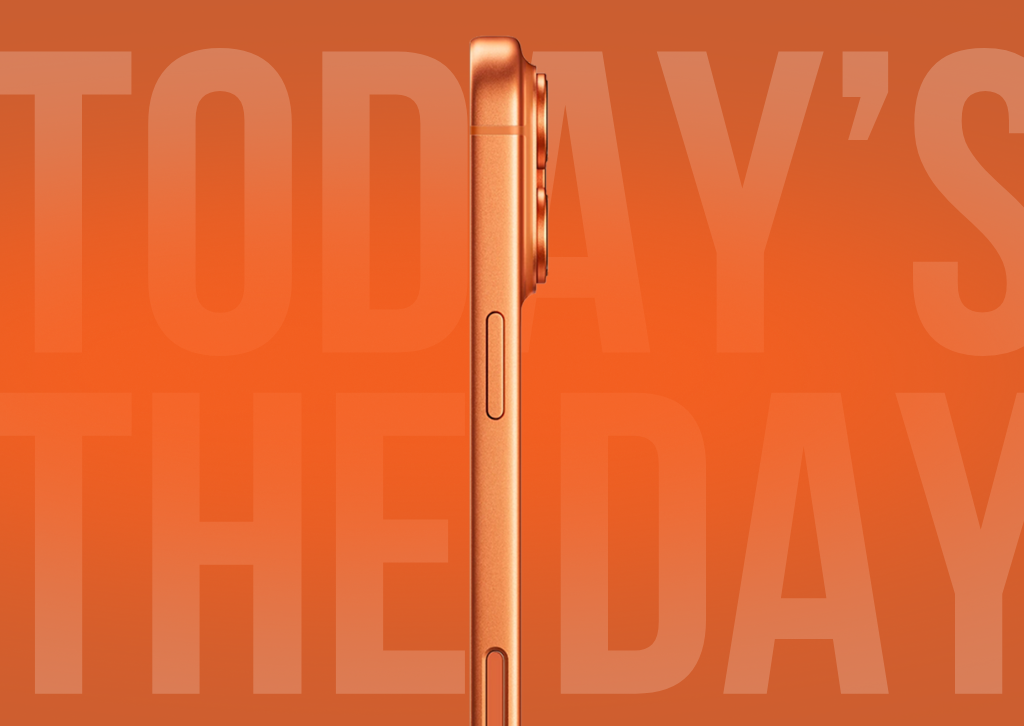
The New iPhone 17 Pro Max
Unboxing Day Excitement
Waking up to that “Today’s the Day” email from Apple never gets old, and a few hours later, my shiny new Cosmic Orange iPhone 17 Pro Max was in my hands. After tearing through the packaging, my first reaction was simple: this thing is pretty darn cool.
Design: A Bold New Direction
Apple has completely reimagined the iPhone 17 Pro Max with a striking new aluminum unibody design that feels remarkably different from previous models. The Cosmic Orange finish is absolutely gorgeous – it’s bold without being overwhelming, and catches light in a way that makes it feel premium and distinctive.
However, I have to echo your sentiment about that glass square on the back. The camera plateau has been redesigned for the first time since the iPhone 11 Pro, featuring a large horizontal camera bump, but the matte finish of this section does clash noticeably with the rest of the phone’s polished aluminum body. It’s a weird design choice that breaks up the otherwise cohesive aesthetic. Apple clearly prioritized functionality over form here, but it’s jarring at first glance.
Build Quality: Surprisingly Light Yet Robust
What’s immediately noticeable is how the vapor chamber technology and aluminum unibody construction make this feel both lighter and more thermally efficient than the previous titanium models. Despite being slightly thicker than the iPhone 16 Pro Max, it actually feels more comfortable in hand. The new Ceramic Shield 2 protection on both front and back provides 3x better scratch resistance, which gives me confidence about daily use.
Display: Bright and Beautiful
The 6.9-inch display supporting up to 3000 nits of brightness is genuinely impressive. Even in bright indoor lighting, the screen looks crisp and vibrant. The colors pop in a way that makes everything from photos to videos feel more immersive. Having ProMotion 120Hz technology means scrolling feels buttery smooth – it’s one of those upgrades you don’t fully appreciate until you go back to a slower refresh rate.
Camera System: The Real Star
The redesigned camera system with its 48MP telephoto lens and 8x optical-quality zoom capability is where this phone really shines. Even in my brief testing, the zoom range feels significantly more versatile than previous iPhones. The new 18MP Center Stage front camera with its unique square sensor for Dual Capture is a clever innovation that automatically adjusts orientation based on your shot composition.
Performance: A19 Pro Powerhouse
The A19 Pro chip with its vapor chamber cooling system delivers the kind of sustained performance that makes everything feel instantaneous. Apps launch without hesitation, and the 12GB of RAM means multitasking is seamless. The improved thermal design should prevent the throttling issues that sometimes plagued previous Pro models during intensive tasks.
Battery Life: All-Day Confidence
Apple claims up to 39 hours of video playback for the Pro Max – potentially the longest battery life ever in an iPhone. While it’s too early for a full battery test, the initial charge has lasted through a full day of heavy setup, data transfer, and camera testing without breaking a sweat.
Early Verdict
The iPhone 17 Pro Max feels like a meaningful evolution rather than a revolutionary leap. The new aluminum unibody design, improved thermal management, and camera upgrades make this a compelling upgrade, especially for anyone coming from an iPhone 15 Pro Max or earlier.
The Good:
- Stunning Cosmic Orange finish
- Excellent build quality and thermal performance
- Impressive display brightness and smoothness
- Versatile camera system with great zoom range
- Outstanding battery life potential
The Not-So-Good:
Despite the design quirk with the camera square, this is shaping up to be Apple’s most capable iPhone yet. The orange finish alone makes it feel special, and the performance improvements are immediately noticeable. If you’re due for an upgrade and want the absolute best iPhone experience, the 17 Pro Max delivers – just be prepared for that camera bump to grow on you over time.
Discover the Best Smartphones Before You Buy! 📱
From in-depth performance breakdowns to real-world user insights, our expert reviews help you cut through the noise and find the perfect phone for your lifestyle. Don’t waste time guessing—read our Smart Phone Reviews now and upgrade with confidence!
Smart Phones
Which iPhone Should I Get? The New iPhone Air or the iPhone 17 Pro Max?
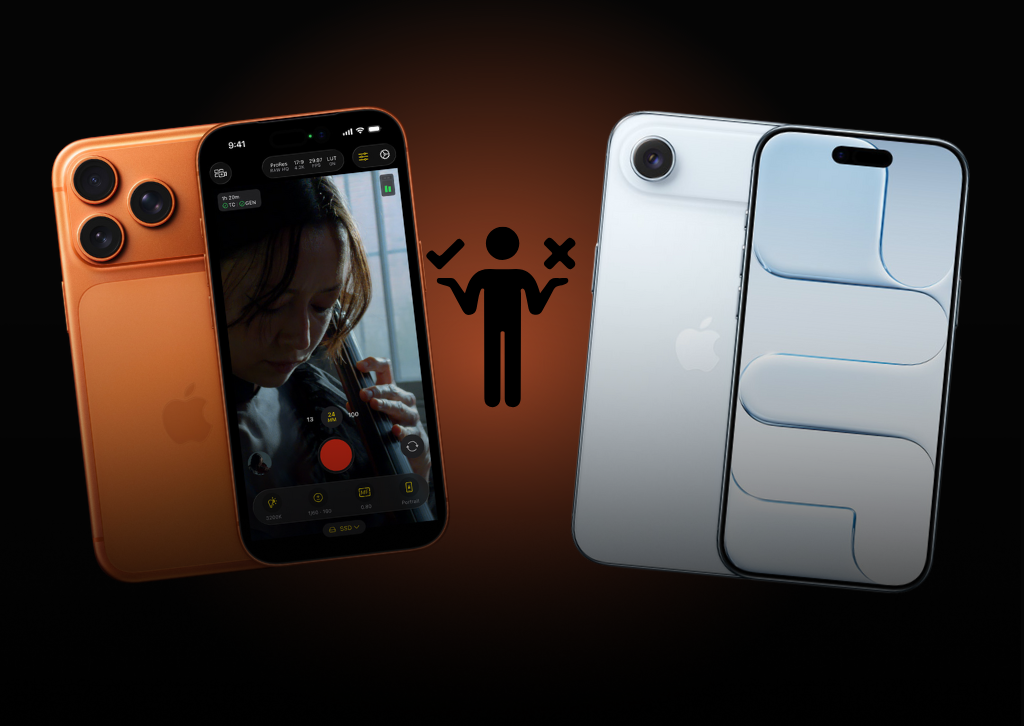
iPhone Air or the iPhone 17 Pro Max?
Apple just shook up the iPhone world with its September 2025 “Awe Dropping” event, introducing a completely new model: the iPhone Air. This ultra-thin device joins the traditional Pro Max flagship, creating an interesting choice between style and power. Here’s everything you need to know to make the right decision.
Bottom Line Up Front
Choose the iPhone Air if: You prioritize portability, style, and having the thinnest iPhone ever made. You’re willing to sacrifice some camera features and battery life for an incredibly sleek design.
Choose the iPhone 17 Pro Max if: You want the most powerful iPhone experience with the best cameras, longest battery life, and premium materials, and don’t mind the extra weight and thickness.
The iPhone Air: Apple’s Thinnest iPhone Ever
Design Revolution
The iPhone Air represents Apple’s most dramatic design shift in years. At just 5.6mm thick, it’s thinner than any iPhone before it – even thinner than the legendary iPhone 6. The polished titanium frame gives it a premium feel while keeping the weight down to just 5.82 ounces (165 grams).
Apple has equipped the Air with Ceramic Shield 2 on both the front and back – the first iPhone to get this protection on both sides. The front offers 3x better scratch resistance, while the back provides 4x better crack resistance.
Display and Performance
Don’t let the thin profile fool you – the iPhone Air packs serious power:
- 6.5-inch Super Retina XDR display with 120Hz ProMotion
- 3,000 nits peak brightness
- A19 Pro chip (same as the Pro models)
- 256GB starting storage
Camera: The Compromise
Here’s where the Air makes its biggest trade-off. It features just one 48MP rear camera housed in a sleek horizontal camera bar. While this single lens can function as multiple focal lengths through computational photography, you lose the dedicated ultrawide and telephoto lenses found on Pro models.
The front camera gets an upgrade to 18MP with Center Stage for better group selfies and video calls.
Pricing
- Starting at $999 for 256GB
- $1,199 for 512GB
- $1,399 for 1TB
Available in four colors: Space Black, Cloud White, Silver, and Gold.
The iPhone 17 Pro Max: Maximum Everything
Built for Power Users
The iPhone 17 Pro Max is Apple’s flagship powerhouse, designed for users who want zero compromises. It features an aluminum unibody design with a built-in vapor chamber cooling system that enables sustained high performance.
Massive Display and Performance
- 6.9-inch Super Retina XDR display – Apple’s largest iPhone screen
- 120Hz ProMotion with the same 3,000 nits brightness
- A19 Pro chip with enhanced cooling for sustained performance
- 12GB RAM for Pro models
- 256GB starting storage
Camera System: Professional Grade
The Pro Max features Apple’s most advanced camera system:
- Three 48MP cameras: Main, Ultrawide, and Telephoto
- 8x optical zoom – the longest in iPhone history
- Macro photography capabilities
- ProRAW and ProRes recording
- 18MP Center Stage front camera
The new horizontal “camera plateau” design houses all three lenses across the width of the phone, giving it a distinctive look.
Battery Life Champion
With room for a larger battery thanks to the new internal design, the Pro Max offers Apple’s best-ever iPhone battery life – up to 4 more hours than the previous generation Pro Max.
Weight and Dimensions
The Pro Max weighs 8.22 ounces (233 grams) and measures 8.75mm thick – significantly heavier and thicker than the Air, but still reasonable for a flagship device.
Pricing
- Starting at $1,199 for 256GB
- $1,399 for 512GB
- $1,599 for 1TB
- $1,999 for 2TB (new option)
Available in three bold colors: Cosmic Orange, Azure Blue, and Platinum White.
Head-to-Head Comparison
Design and Portability
Winner: iPhone Air The Air’s 5.6mm profile and lightweight titanium construction make it incredibly portable. It’s 3mm thinner and nearly 70 grams lighter than the Pro Max. If you want a phone that disappears in your pocket, the Air wins hands down.
Display Size
Winner: iPhone 17 Pro Max While both phones have excellent displays with identical technology, the Pro Max’s 6.9-inch screen provides more real estate for productivity, gaming, and media consumption compared to the Air’s 6.5-inch display.
Camera Capabilities
Winner: iPhone 17 Pro Max This isn’t even close. The Pro Max’s triple camera system with 8x optical zoom, macro capabilities, and professional video features far exceeds the Air’s single-lens setup. If photography is important to you, the Pro Max is the clear choice.
Battery Life
Winner: iPhone 17 Pro Max The Pro Max’s larger size allows for a significantly bigger battery, offering the best battery life in iPhone history. The Air’s thin design necessarily limits battery capacity.
Performance
Draw Both phones use the same A19 Pro chip, though the Pro Max’s vapor chamber cooling allows for better sustained performance under heavy loads.
Value
Winner: iPhone Air At $999 vs $1,199, the Air offers flagship performance at a $200 discount, though you do sacrifice camera versatility and battery life.
Who Should Buy Which?
Buy the iPhone Air if you:
- Value ultra-portable design above all else
- Primarily use your phone for social media, messaging, and basic photography
- Want a premium iPhone experience at a lower price point
- Love being the first to own cutting-edge design technology
- Don’t need extensive camera features
Buy the iPhone 17 Pro Max if you:
- Are a photography enthusiast or content creator
- Need maximum battery life for heavy usage
- Want the largest possible screen for productivity or entertainment
- Frequently use your phone for demanding tasks like gaming or video editing
- Don’t mind carrying a heavier, thicker device for better capabilities
The Verdict
The choice between these two iPhones comes down to your priorities. The iPhone Air is a design statement – it’s the phone you choose when you want the sleekest, most portable iPhone ever made. It’s perfect for users who value style and portability over maximum functionality.
The iPhone 17 Pro Max remains the choice for power users who want the absolute best iPhone experience, regardless of size and weight. Its superior cameras, longer battery life, and sustained performance make it ideal for demanding users.
For most people, the decision will come down to a simple question: Do you prioritize having the coolest, thinnest phone, or do you want the most capable iPhone Apple has ever made? Both are excellent choices – it just depends on what matters most to you.
Pre-orders begin September 12, 2025, with availability starting September 19, 2025.
🔥 Ready to upgrade your phone? Don’t waste time guessing — get the inside scoop on the best smartphone reviews written for real people, not tech jargon. Compare features, performance, and price before you buy.
👉 Read the latest smartphone reviews now on TheTechReview.net


DeleteMe: Your Digital Privacy Guardian in an Age of Data Exploitation

The Mid-Range Redefined: A Comprehensive Review of the Nikon Z6 III

The Canon PowerShot ELPH 360 HS: A Deep Dive into the Pocket-Sized Powerhouse

Sony FE 16mm f/1.8 G Review: The Ultra-Wide Prime for the Modern Creator

Clash of the Titans: 13″ iPad Pro M4 vs. Samsung Galaxy Tab S10 Ultra – Which Premium Tablet Reigns Supreme?

The Guardian of Your Threshold: An In-Depth Review of the Google Nest Doorbell
-
 Photography1 year ago
Sony FE 16mm f/1.8 G Review: The Ultra-Wide Prime for the Modern Creator
-
 Tablets1 year ago
Clash of the Titans: 13″ iPad Pro M4 vs. Samsung Galaxy Tab S10 Ultra – Which Premium Tablet Reigns Supreme?
-
 Home Tech1 year ago
The Guardian of Your Threshold: An In-Depth Review of the Google Nest Doorbell
-
 Computers1 year ago
Asus ProArt Display 6K PA32QCV Review: A Visual Feast for Professionals
-

 Computers1 year ago
ASUS Zenbook Duo: A Pretty Awesome Dual-Screen Laptop
-

 Photography1 year ago
Adobe’s “Project Indigo” is the iPhone Camera App We’ve Been Waiting For, and It’s Awesome
-

 Photography1 year ago
DJI Osmo 360 go: The Next Generation of Immersive Storytelling?
-

 Home Tech1 year ago
Revolution R180 Connect Plus Smart Toaster: More Than Just Toast?
-

 Health Tech1 year ago
Lumen Metabolism Tracker: A Deep Dive into Your Metabolic Health
-

 Computers1 year ago
Apple Mac Studio Review: A Desktop Powerhouse Redefined
-

 Computers1 year ago
Samsung 15.6” Galaxy Book5 360 Copilot AI Laptop: A Deep Dive into the Future of Productivity
-

 Wearables1 year ago
Bowers & Wilkins Pi8 McLaren Edition Review: A Supercar for Your Ears?