
Photography
Canon EOS 90D DSLR Camera: A Comprehensive Review
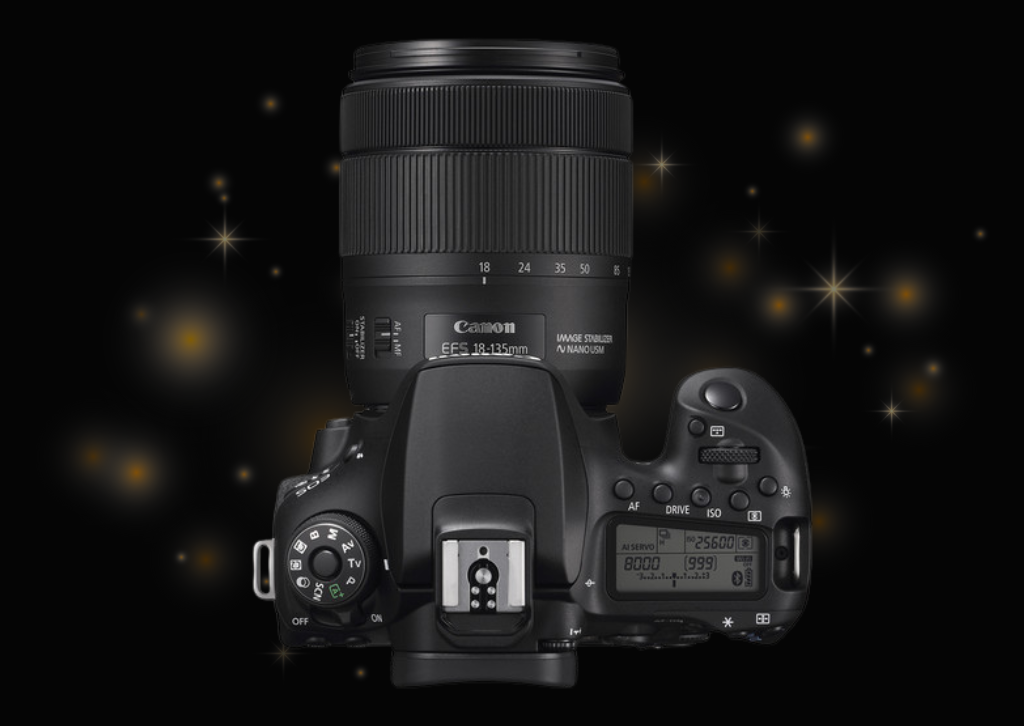
The Canon EOS 90D represents a fascinating position in Canon’s DSLR lineup—a camera that arrived at a time when mirrorless systems were rapidly gaining ground, yet managed to remind us why the traditional DSLR format still has plenty to offer. As someone who’s spent considerable time with this camera across various shooting scenarios, I can confidently say that the 90D is a powerhouse that deserves serious consideration, especially for photographers who value versatility, speed, and the optical viewfinder experience.
Build Quality and Ergonomics
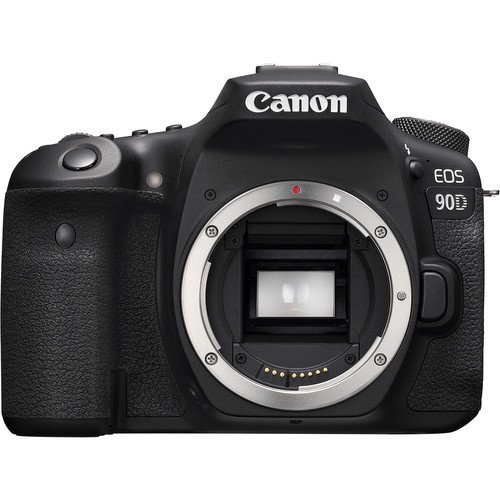
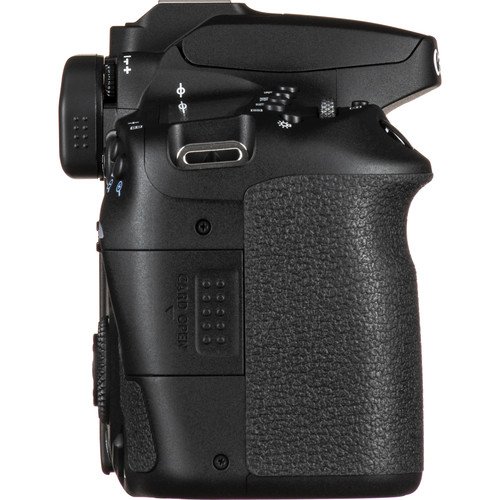
The first thing you notice when picking up the 90D is its solid, confidence-inspiring build. Canon has equipped this camera with a weather-sealed magnesium alloy body that feels substantial without being overly heavy. At approximately 701 grams with battery and card, it strikes a nice balance between durability and portability. The camera sits comfortably in hand, with a deep grip that accommodates larger lenses without causing strain during extended shooting sessions.
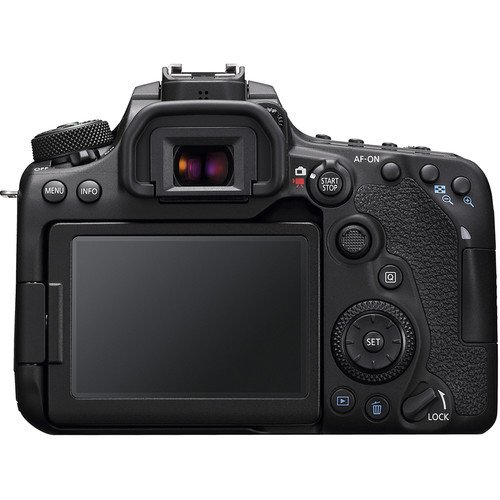
The button layout is quintessentially Canon, which means if you’re familiar with their ecosystem, you’ll feel right at home immediately. The controls are logically placed and fall naturally under your fingers. The rear joystick for quick autofocus point selection is particularly well-positioned, and the top LCD display provides essential shooting information at a glance. The mode dial has a locking mechanism to prevent accidental changes, and the dedicated ISO and exposure compensation buttons on top make quick adjustments effortless.
One aspect I particularly appreciate is the articulating touchscreen. Unlike a fully articulating screen, this vari-angle design flips out to the side, making it invaluable for shooting at awkward angles, whether you’re going low for a macro shot or holding the camera overhead in a crowd. The touchscreen functionality itself is responsive and intuitive, allowing you to tap to focus and even navigate through menus with ease.
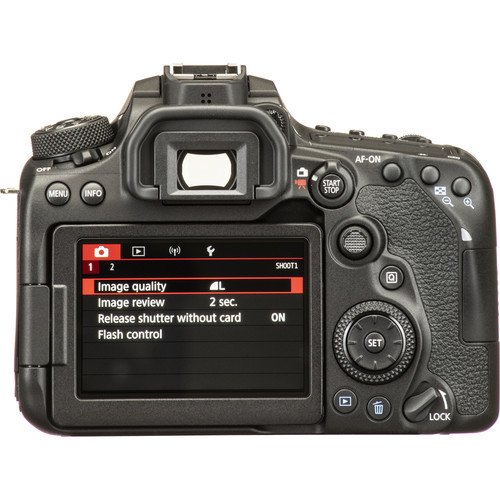
Image Quality and Sensor Performance
At the heart of the 90D lies a 32.5-megapixel APS-C CMOS sensor—the highest resolution APS-C sensor Canon has ever produced for their DSLRs. This impressive resolution delivers exceptional detail and provides plenty of room for cropping without sacrificing image quality. When paired with quality glass, the images from this sensor are remarkably sharp with excellent color reproduction that Canon is renowned for.
The dynamic range is quite good for an APS-C sensor, though it doesn’t quite match what you’d find in some competing cameras or full-frame alternatives. In practical terms, you have decent latitude for recovering highlights and shadows in post-processing, though you’ll want to be mindful of not blowing out highlights in high-contrast situations. The camera handles a wide range of lighting conditions admirably, from bright outdoor scenes to more challenging indoor environments.
Color science is an area where Canon traditionally excels, and the 90D is no exception. Straight out of camera, JPEGs display pleasing, natural-looking colors that often require minimal editing. Skin tones, in particular, are rendered beautifully, making this camera an excellent choice for portrait photography. For those who prefer to shoot RAW, the files provide substantial flexibility for post-processing while maintaining clean, detailed images.
Autofocus System and Performance
The 90D features Canon’s 45-point all cross-type autofocus system when shooting through the optical viewfinder. This phase-detection system is fast, accurate, and reliable even in challenging lighting conditions. The coverage area is reasonable, though not edge-to-edge, which is typical for DSLR systems. In real-world use, I found the autofocus to be consistently reliable for general photography, portraits, and even action shots.
When you switch to Live View mode, the camera utilizes Canon’s Dual Pixel CMOS AF system, which is arguably one of the best features of this camera. The Dual Pixel AF provides 5,481 selectable autofocus positions covering approximately 88% of the frame horizontally and vertically. Face and eye detection work remarkably well, making portrait photography in Live View an absolute pleasure. The autofocus smoothly tracks subjects across the frame with impressive accuracy.
For video shooters and those who prefer composing shots on the rear screen, the Dual Pixel AF is a game-changer. It’s smooth, confident, and rarely hunts—characteristics that make it suitable for both photography and serious video work.
Continuous Shooting and Buffer
One of the 90D’s standout specifications is its continuous shooting speed of 10 frames per second when using the optical viewfinder. This makes it an excellent choice for action, sports, and wildlife photography. The camera can maintain this speed for approximately 58 RAW files or unlimited JPEGs before the buffer fills up, which is quite impressive and should satisfy most shooting scenarios.
The combination of fast continuous shooting and reliable autofocus makes the 90D a capable tool for capturing fast-moving subjects. Whether you’re photographing birds in flight, sports action, or energetic children, the camera gives you the tools to freeze the moment reliably.
Video Capabilities
The Canon EOS 90D is a genuinely competent video camera, offering uncropped 4K recording at up to 30 frames per second. The fact that it shoots 4K without a crop is significant for an APS-C camera, as it means your lenses maintain their intended field of view. The 4K footage is sharp and detailed, though it’s worth noting that continuous autofocus during 4K recording is available but limited to contrast-detection AF rather than the superior Dual Pixel AF system used in 1080p mode.
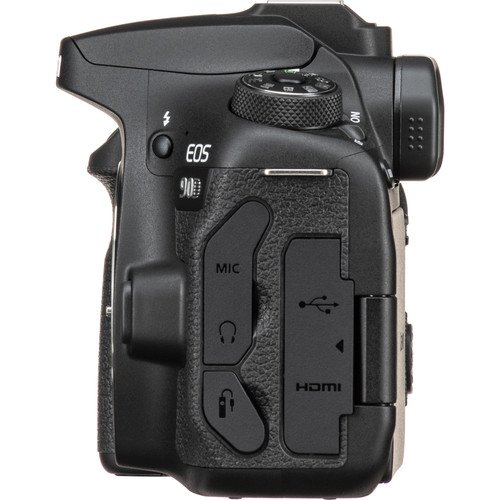
For 1080p recording, you have options up to 120 frames per second, perfect for creating smooth slow-motion footage. The Dual Pixel AF in 1080p mode is excellent, providing smooth and reliable focus tracking that rivals many dedicated video cameras. The articulating screen, headphone jack, and microphone input make this a well-equipped camera for content creators and videographers.
One limitation to be aware of is the lack of in-body image stabilization. You’ll need to rely on optically stabilized lenses for steady handheld footage, or use a gimbal for more dynamic movement. Additionally, there’s a 30-minute recording limit per clip, which is common among cameras to avoid European taxation rules, but can be restrictive for some video applications.
ISO Performance and Low Light
The 90D offers a native ISO range of 100-25,600, expandable to 51,200. Low-light performance is solid, with clean, usable images up to around ISO 3200. As you push into the higher ISO ranges, noise becomes more apparent, but it remains well-controlled and maintains an appealing grain structure rather than looking splotchy or color-shifted.
For most everyday shooting scenarios, the high ISO performance is more than adequate. I’ve successfully shot indoor events and evening scenes at ISO 6400 with results that clean up nicely with a bit of noise reduction in post. While it may not match the low-light prowess of newer full-frame cameras, it performs admirably for its class.
Battery Life
The 90D uses Canon’s LP-E6N battery, and battery life is another area where DSLRs still hold an advantage over mirrorless cameras. The official CIPA rating is approximately 1,300 shots per charge when using the optical viewfinder, which is excellent. In real-world use, especially if you’re mixing viewfinder and Live View shooting, you can expect to get through a full day of moderate shooting on a single battery. If you’re shooting video extensively, you’ll want to have spare batteries on hand as video recording drains the battery much faster.
Who Should Buy the Canon EOS 90D?
The 90D is ideally suited for several types of photographers. Enthusiasts looking to upgrade from an entry-level DSLR will find a significant step up in performance, features, and build quality. Wildlife and sports photographers on a budget will appreciate the fast continuous shooting speed and the effective focal length multiplier that comes with the APS-C sensor. The camera is also excellent for content creators who need both strong photo and video capabilities in a single package.
The high-resolution sensor makes it appealing for landscape photographers who want maximum detail, while the reliable autofocus and good color science make it a strong choice for portrait work. Parents documenting growing families will find it has more than enough power for all occasions while remaining relatively approachable to use.
Final Thoughts
The Canon EOS 90D is a mature, refined DSLR that represents the culmination of decades of Canon’s experience in building cameras of this type. It may not represent the cutting edge of camera technology in an era increasingly dominated by mirrorless systems, but it offers a compelling package of features, performance, and value that shouldn’t be overlooked.
The combination of 32.5 megapixels, 10fps shooting, excellent autofocus systems, and strong video capabilities makes this an incredibly versatile tool. The optical viewfinder provides a direct, lag-free view of your subject, and the substantial battery life means less worry about running out of power at critical moments. For photographers invested in Canon’s EF and EF-S lens ecosystem, the 90D is a natural choice that lets you leverage your existing glass without adapters.
While it’s true that mirrorless cameras offer certain advantages in size, weight, and cutting-edge features, the 90D proves that there’s still life in the DSLR format. It’s a camera that gets out of your way and lets you focus on capturing great images, and sometimes that’s exactly what you need. Whether you’re a dedicated enthusiast, a professional needing a reliable backup, or someone who simply prefers the DSLR shooting experience, the Canon EOS 90D delivers the goods with confidence and capability.

Read all our amazing Photography Reviews here




Photography
The Mid-Range Redefined: A Comprehensive Review of the Nikon Z6 III
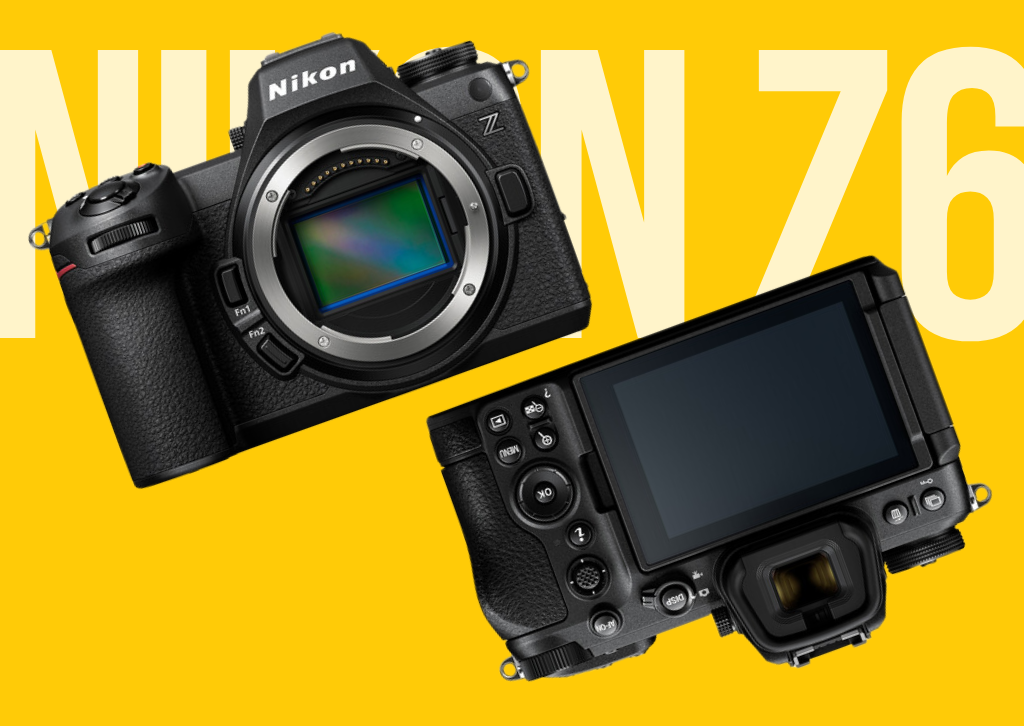
The introduction of the Nikon Z6 III has sent ripples through the mirrorless camera market, signaling a fierce new phase in the battle for the mid-range hybrid crown. Positioned as the successor to the highly regarded Z6 II, the Z6 III doesn’t simply offer iterative improvements; it integrates groundbreaking technology inherited from its high-end siblings, the Z8 and Z9, most notably the world’s first partially-stacked CMOS sensor and a class-leading electronic viewfinder (EVF).
This comprehensive review explores how Nikon has managed to blend professional-grade speed and video capability into a compact, accessible chassis, effectively setting a new benchmark for what a sub-flagship, full-frame camera should deliver for both still photographers and cinematographers.
1. Introduction: A New Hybrid Standard
For years, the mid-range full-frame market has been characterized by trade-offs: faster burst rates meant sacrificing resolution, and high-end video often came with heavy crop factors or external recorder requirements. The Nikon Z6 III, however, arrives with a clear mandate to minimize those compromises.
Nikon’s design philosophy here is evident: to leverage the speed benefits of stacked sensor technology—previously exclusive to flagship models—and democratize them for a broader audience. The result is a camera that feels less like a step up from the Z6 II and more like a scaled-down, highly optimized Z8, delivering blistering speed, exceptional autofocus, and robust video specifications that significantly outperform its direct competition at launch. The Z6 III is engineered for the modern hybrid shooter—the professional second-shooter, the advanced enthusiast, and the content creator who demands uncompromising performance in a manageable package.
2. Design, Build, and Ergonomics
Nikon has maintained the familiar, trusted body design of the Z-series, a choice that will comfort existing users while remaining highly competitive ergonomically.
2.1. Body and Weather Sealing
The Z6 III utilizes a robust construction featuring magnesium alloy elements, providing both durability and a reassuring heft. The camera feels solid and capable, built to withstand the rigors of professional use. Crucially, Nikon has significantly enhanced the weather sealing compared to its predecessor, adopting a level of dust and drip resistance comparable to the Z8. This confidence-inspiring sealing extends across all seams, ports, and battery doors, making it a reliable tool for shooting in adverse conditions—a vital characteristic for wedding, landscape, and documentary photographers.
2.2. Handling and Grip
The deep, sculpted grip remains a Nikon hallmark. It is sufficiently deep and textured to provide a secure hold, even with long telephoto lenses attached, ensuring minimal hand fatigue during extended sessions. The button layout is intuitive, prioritizing access to key functions like ISO, exposure compensation, and AF-ON. Nikon has smartly retained the familiar command dial positions and function button placement, allowing photographers coming from DSLRs or earlier Z bodies to feel immediately at home. The dual card slot configuration—one high-speed CFexpress Type B slot and one versatile SD UHS-II slot—is an essential professional inclusion, offering both speed and data redundancy.
3. The Revolutionary Partially-Stacked Sensor
The core innovation of the Z6 III is its 24.5-megapixel BSI (Backside-Illuminated) CMOS sensor, featuring a partially-stacked design. This is a critical distinction from traditional BSI sensors and the fully-stacked chips found in the Z8 and Z9.
3.1. Understanding the Technology
A fully-stacked sensor integrates the image area and high-speed processing circuitry into a single physical stack, offering maximum speed but higher complexity and cost. The Z6 III’s partially-stacked design selectively integrates critical high-speed read-out circuitry around the top and bottom of the imaging area, leaving the bulk of the BSI structure intact.
The result is a sensor that achieves exceptionally fast read speeds—significantly faster than the Z6 II or its direct competitors—while managing costs and heat generation more effectively than a fully-stacked design. For the end-user, this translates into two profound benefits:
- Reduced Rolling Shutter: The accelerated read-out minimizes the ‘jello’ effect common with electronic shutters, making the Z6 III far more practical for high-speed action, video panning, and using the silent shutter.
- Faster Continuous Shooting: It enables the camera’s blistering burst speeds, backed by the EXPEED 7 processor.
3.2. Image Quality and Dynamic Range
Despite the focus on speed, the sensor delivers superb image quality. At 24.5MP, it strikes a near-perfect balance, offering files that are large enough for significant cropping yet manageable for storage and processing.
- Low Light: Nikon’s color science and noise reduction algorithms shine. The camera produces exceptionally clean files up to ISO 6400, and even ISO 12800 remains highly usable for journalistic or documentary work. The BSI architecture ensures efficient light capture, giving it a marginal advantage in low-light dynamic range compared to older non-BSI designs.
- Dynamic Range: The dynamic range is excellent, allowing for significant recovery of highlight detail and deep, clean shadows, particularly in the base ISO of 100. This flexibility is invaluable for landscape and interior architecture photographers.
4. Performance: Speed and Autofocus
The Z6 III pairs its new sensor with the flagship-level EXPEED 7 image processor—the same engine powering the Z8 and Z9. This synergy defines the camera’s speed profile and overall responsiveness.
4.1. Continuous Shooting
The burst rates are transformative for this class:
- 14 fps (Mechanical Shutter): A robust speed using the reliable mechanical shutter.
- 20 fps (Electronic Shutter – Full Resolution RAW): This is a standout feature, allowing full-quality capture at high speed silently.
- 120 fps (Electronic Shutter – JPEG, 11MP): For fleeting moments, the 120 fps mode offers incredible coverage, albeit at a reduced resolution, making it perfect for capturing the precise peak of action.
Crucially, the buffer depth is significantly improved, allowing for extended bursts without debilitating slowdowns, a direct benefit of the fast sensor read-out and the EXPEED 7’s power.
4.2. Autofocus System: The Flagship Legacy
The Z6 III inherits the Z8/Z9’s sophisticated 3D Tracking and subject detection algorithms, instantly elevating its AF game above its competition.
- Subject Detection: The system features deep learning-based subject detection, capable of recognizing and tracking nine distinct subject types: people (eyes, face, body), animals (dogs, cats, birds), and vehicles (cars, motorcycles, bicycles, airplanes, trains). The speed and tenacity of the tracking are remarkable; once locked on, the camera sticks to the subject with Z9-like tenacity, even in challenging environments with intermittent obstruction.
- Low-Light Sensitivity: The AF system works reliably down to -10 EV (with a wide-aperture lens), making it highly effective for wedding receptions, concerts, and astrophotography focusing.
- Reliability: For years, Canon and Sony led in mid-range AF performance. The Z6 III definitively closes that gap, offering a system that is consistently reliable, intuitive to configure, and rapid in acquisition.
5. Video Specifications and Functionality
The Z6 III is not just a stills camera with video tacked on; it is a professional-grade cinema tool in a small body.
5.1. Internal RAW and Oversampling
The headline feature is the ability to record 6K/60p N-RAW internally and 6K/30p ProRes RAW internal—no external recorder required. This capability is unprecedented in this camera class and offers filmmakers unparalleled post-production flexibility and dynamic range retention.
The standard video output is equally impressive:
- 4K/60p: The Z6 III records stunning 4K video by oversampling from the full 6K sensor width, resulting in exceptionally sharp, detailed, and clean footage.
- 10-bit H.265/N-Log/HLG: Professional codecs and profiles are available internally, providing the necessary color grading latitude for serious video projects.
5.2. Heat Management and Usability
Heat management has been a significant concern for high-resolution, high-frame-rate video in compact bodies. Nikon has addressed this with improved thermal dissipation. While high-bitrate 6K recording will eventually lead to heat warnings, the camera delivers respectable recording times, particularly in the critical 4K/30p and 4K/60p modes, making it a reliable workhorse for run-and-gun shooting and interviews.
Key video features like waveform monitors, focus peaking, and a dedicated video interface complete the package, solidifying its standing as a serious video tool.
6. Viewfinder and Display: A Visual Feast
The Z6 III introduces another segment-leading feature: a drastically improved Electronic Viewfinder (EVF).
6.1. The EVF: A Game Changer
The 5.76 million-dot Quad-VGA OLED EVF is spectacular, boasting an unprecedented 4000-nit peak brightness. This brightness, combined with the high resolution and wide color gamut (DCI-P3 coverage), creates a viewing experience that is remarkably close to an optical viewfinder. Shooting in bright sunlight—the traditional Achilles’ heel of EVFs—is no longer an issue. The clarity and color accuracy of the Z6 III’s EVF are genuinely transformative, allowing for more precise manual focus and composition.
6.2. The Rear LCD
The rear monitor is a 2.1 million-dot, 3.2-inch, fully articulating vari-angle screen. This is a crucial upgrade from the tilting screen of the Z6 II, offering maximum flexibility for high-angle, low-angle, and selfie-style shooting. The articulation is fluid and robust, satisfying the demands of both video loggers and stills photographers working at awkward angles.
7. Connectivity and Battery Life
The Z6 III is powered by the popular EN-EL15c battery. While official CIPA ratings are modest (typical for mirrorless), real-world performance is respectable, often exceeding 700 shots in power-saving mode or during moderate, intermittent use. Heavy video use or sustained high-speed burst shooting will, of course, necessitate spares, but the power efficiency of the EXPEED 7 chip keeps the camera competitive. USB-C Power Delivery allows for in-camera charging and continuous power while shooting, which is essential for studio or time-lapse work.
The camera offers excellent connectivity, featuring full-size HDMI, a USB-C port, and microphone/headphone jacks.
8. Conclusion: A Triumph of Technology and Value
The Nikon Z6 III is arguably the most significant camera launch in the mid-range segment in several years. It successfully leverages flagship technology—the EXPEED 7 processor and advanced AF algorithms—and combines it with a revolutionary partially-stacked sensor and a class-leading EVF.
The Z6 III’s unique selling proposition lies in its ability to offer near-flagship speed and internal 6K RAW video capability in a body that remains lightweight and competitively priced. It eliminates the traditional compromises of the mid-range: the AF is flawless, the burst rate is exceptional, and the video specifications rival cameras costing thousands more.
Who is this camera for?
- The Serious Hybrid Shooter: If you shoot high-stakes events (weddings, journalism) that require both stunning stills and professional-grade video, the Z6 III is the best tool available in this price bracket.
- The Nikon Upgrade: Owners of the Z6, Z6 II, or even older DSLRs (like the D750 or D850) will find the Z6 III to be a monumental leap in performance, especially in AF speed and low-light video capability.
- The Content Creator/Videographer: The internal 6K RAW recording makes this an instant favorite for filmmakers looking for maximum quality and flexibility without the bulk or expense of cinema cameras.
The Nikon Z6 III has not just entered the market; it has forcefully raised the bar, providing compelling reasons for photographers and videographers alike to choose Nikon’s Z ecosystem. It is a brilliant piece of engineering that delivers exceptional value and uncompromising performance.
9. Pros and Cons Chart
| Feature | Pros | Cons |
|---|---|---|
| Sensor/Processor | World’s first partially-stacked 24.5MP sensor provides high-speed readout. | Resolution (24.5MP) may be low for heavy cropping compared to 33MP+ rivals. |
| Speed | Blistering 20 fps RAW and 120 fps reduced-resolution burst rates. | Mechanical shutter limited to 14 fps. |
| Autofocus | Flagship EXPEED 7 processor enables Z8/Z9-level subject detection (9 types). | Requires high-speed CFexpress card to fully utilize extreme burst buffer depth. |
| Video | Unprecedented internal 6K/60p N-RAW and 6K/30p ProRes RAW recording. | Video heat management, while improved, can still limit runtime for sustained 6K recording. |
| Viewfinder | Class-leading 5.76M-dot, 4000-nit EVF (highest brightness in the world). | Battery life remains competitive but is not class-leading compared to rivals. |
| Ergonomics | Robust, weather-sealed magnesium alloy build and deep, comfortable grip. | Single CFexpress Type B slot (paired with one SD) might limit capacity for dual-CFexpress users. |
10. Competitor Comparison Chart
The Nikon Z6 III competes directly against the mid-to-high-end hybrid models from Canon and Sony. Below is a comparison of key specifications against the Canon EOS R6 Mark II and the Sony a7 IV.
| Feature | Nikon Z6 III | Canon EOS R6 Mark II | Sony a7 IV |
|---|---|---|---|
| Sensor Type | 24.5MP Partially-Stacked BSI CMOS | 24.2MP Standard BSI CMOS | 33MP Standard BSI CMOS |
| Processor | EXPEED 7 (Flagship) | DIGIC X | BIONZ XR |
| Max Still FPS (Elec.) | 120 fps (11MP JPEG) / 20 fps (Full RAW) | 40 fps (Electronic) | 10 fps (Compressed RAW) |
| EVF Resolution | 5.76M-dot (4000 nits) | 3.69M-dot | 3.69M-dot |
| Max Internal Video | 6K/60p N-RAW / 6K/30p ProRes RAW | 4K/60p (Oversampled, slight crop) | 4K/60p (Super 35mm/APS-C crop) |
| Max 4K Video FPS | 120p (with crop) / 60p (Oversampled, no crop) | 60p (Oversampled, slight crop) | 60p (with crop) / 30p (Full width) |
| AF Subject Detection | 9 Types (Deep Learning) | People, Animals, Vehicles | People, Animals, Birds |
| Card Slots | 1x CFexpress Type B, 1x SD UHS-II | 2x SD UHS-II | 1x CF-A / SD, 1x SD UHS-II |
| LCD | Fully Articulating | Fully Articulating | Fully Articulating |
The Deep Dive: Technology, Implementation, and User Experience
The Z6 III’s launch is significant because it represents a clear instance of technology trickle-down that challenges the established market hierarchy. Historically, speed (high frame rates, fast sensor readout) was the exclusive domain of flagship cameras. By introducing the partially-stacked sensor, Nikon has fundamentally reshaped the Z6 line from a capable all-rounder into a true speed demon.
The Engineering Feat: Partial Stacking and EXPEED 7
The partially-stacked sensor is not just a marketing term; it’s an engineering solution to a pricing problem. Full stacking is expensive and power-hungry. The Z6 III’s implementation focuses the fast circuitry where it is needed most—around the data channels—allowing the camera to achieve crucial speed milestones, such as the 120 fps burst, without the thermal and cost overhead of the Z8. This allows for a real-world, practical electronic shutter. While the Z6 II’s electronic shutter was often unusable due to rolling shutter distortion, the Z6 III’s low distortion rate means photographers can rely on the silent shutter in demanding situations, like capturing decisive moments during a golf swing or during silent performances.
The processor, the EXPEED 7, is the other half of this equation. It provides the computational muscle for simultaneous tasks: running the advanced AF algorithm, processing 6K video streams, and buffering large volumes of 14-bit RAW data at high speed. The synergy between the fast sensor and the powerful processor results in near-instantaneous camera response, minimal operational lag, and a user experience that feels genuinely professional.
Autofocus: The Game Changer for Nikon Users
For years, the Z6 and Z7 series, while capable, lagged behind the equivalent Sony and Canon models in pure AF tracking reliability, especially with fast-moving or erratic subjects. The Z6 III closes this performance gap entirely.
The adoption of the Z8/Z9 AF system means the camera now uses deep learning for highly accurate subject detection. The system doesn’t just find a face; it intelligently tracks the eye through obstructions (like hands or hair) and anticipates movement. In tests against the R6 II and a7 IV, the Z6 III demonstrates superior ‘stickiness’ in tracking, particularly with small or fast-moving subjects like distant birds. The dedicated modes for different vehicles are also a boon for motorsport and aviation photographers, allowing the system to lock onto the cockpit or the grille, ignoring background clutter. This AF system is perhaps the single greatest improvement for existing Nikon users.
Video Workflow: The RAW Advantage
For professional videographers, the internal 6K RAW recording is a monumental feature. Shooting in 12-bit N-RAW or ProRes RAW preserves the maximum possible dynamic range and color information, providing maximum flexibility in post-production, especially when dealing with high-contrast scenes or complex color grading. The fact that the Z6 III delivers this internally—eliminating the need for an expensive external recorder (like an Atomos Ninja or Shogun) to achieve the highest quality—makes it an immediate market disruptor.
Furthermore, the 4K quality is outstanding. The Z6 III oversamples 4K/30p and 4K/60p from the full 6K image area, resulting in visibly sharper footage compared to line-skipped or binned 4K streams from competitors. This high-quality base 4K, combined with the 10-bit N-Log profiles, makes the Z6 III an elite B-cam for Z8/Z9 owners or a highly competent A-cam for independent filmmakers.
The EVF Experience: Clarity and Comfort
While often overlooked, the Electronic Viewfinder is a critical interface, especially for stills photographers. The Z6 III’s 5.76 million-dot, 4000-nit EVF is genuinely a luxury feature.
The extreme brightness (4000 nits) allows the photographer to accurately preview exposure and color saturation even when shooting under harsh midday sun, where most rival EVFs wash out and become difficult to use. The high resolution is paired with a wide color gamut, which means the EVF displays a rich, accurate representation of the final image. This improvement reduces eye strain and increases confidence, making the Z6 III a joy to compose with in any lighting condition. It’s an example of Nikon focusing on the core user experience detail that truly differentiates a camera during long hours of use.
Final Thoughts on Market Positioning
The Nikon Z6 III is aggressively positioned as the “professional’s entry point” to high-speed mirrorless technology. It doesn’t just compete on price; it competes on feature parity with higher-end cameras. While the 33MP of the Sony a7 IV might appeal to pixel-peepers and the ergonomic excellence of the R6 II offers familiarity, the Z6 III’s distinct advantages in speed, internal 6K RAW video, and the best-in-class EVF make it the more technologically advanced, future-proof, and overall more compelling hybrid choice in this bracket.
It is a camera that not only meets the current expectations of the hybrid market but substantially exceeds them, forcing the competition to play catch-up. For the discerning user who prioritizes speed, best-in-class video flexibility, and professional ergonomics, the Z6 III represents a superb investment and a formidable creative tool.
Read all our amazing Photography Gear Reviews here
Photography
The Canon PowerShot ELPH 360 HS: A Deep Dive into the Pocket-Sized Powerhouse
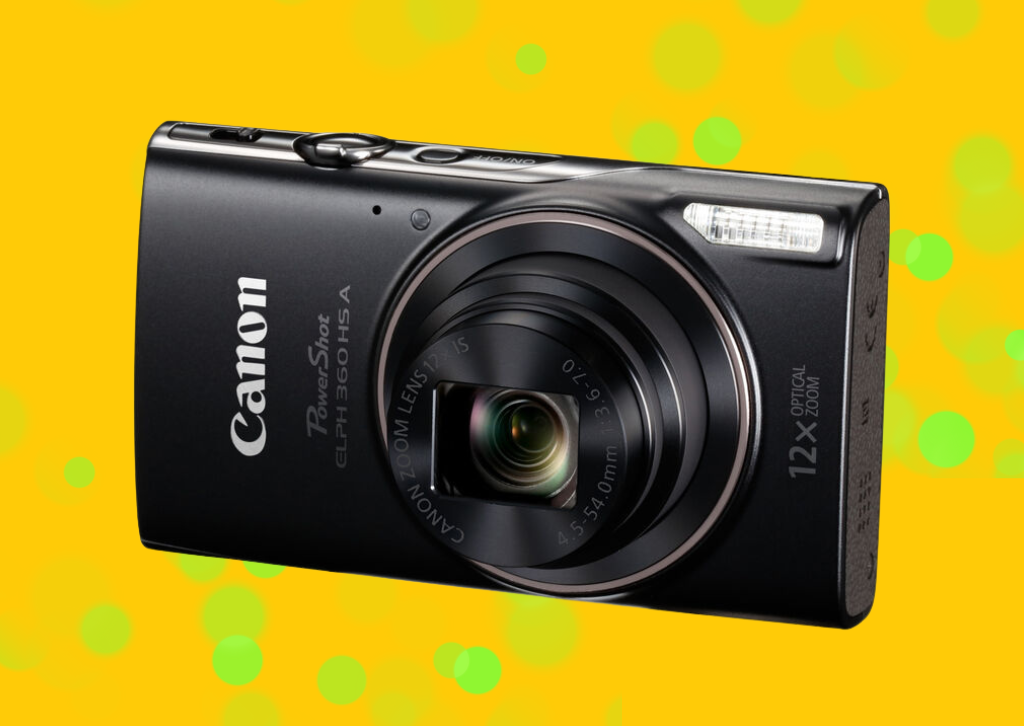
The Canon PowerShot ELPH 360 HS, a stalwart of the compact point-and-shoot category, was released at a pivotal time when the lines between smartphone photography and dedicated cameras were beginning to blur. Positioned as a stylish, highly portable solution, the ELPH 360 HS promised to deliver superior zoom capability and image quality that the average smartphone of its era couldn’t match, all while maintaining the simplicity beloved by casual photographers. Even years after its release, it remains a popular choice for those seeking a reliable, discreet camera for travel, parties, and everyday documentation without the bulk of a mirrorless or DSLR system.
This review delves into the intricate balance of its 20.2-megapixel sensor, 12x optical zoom, and intelligent stabilization system, assessing whether this sleek shooter still holds its relevance and value in a market saturated with high-end smartphone cameras.
Design, Ergonomics, and the Pursuit of Portability
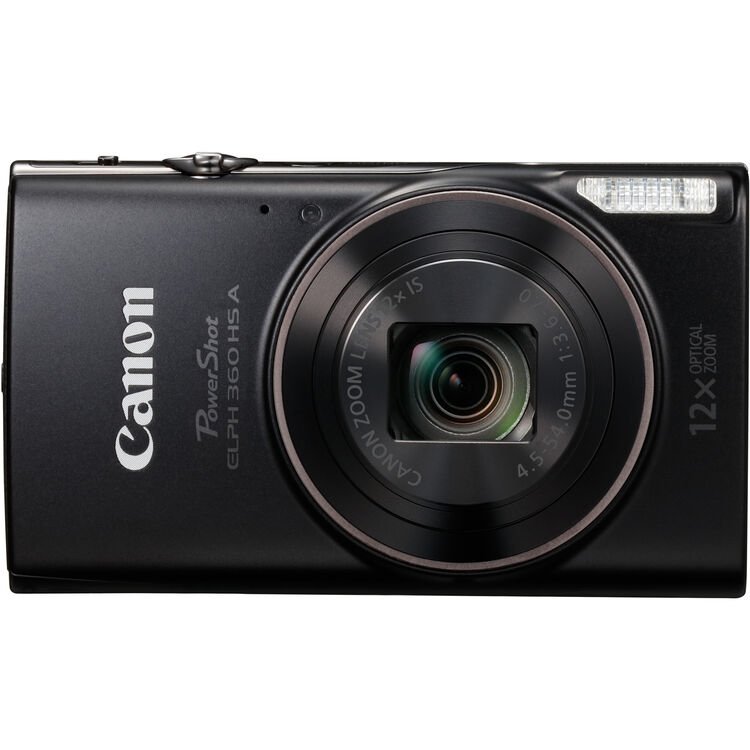
The first and most striking feature of the ELPH 360 HS is its physical form factor. Measuring just 3.9 x 2.3 x 0.9 inches (99.8 x 57.1 x 22.8mm) and weighing approximately 5.1 ounces (147g) including battery and card, this camera is defined by its pocketability. It is genuinely slim enough to disappear into a jeans pocket or a small clutch bag, fulfilling the core requirement of the “ELPH” lineage (Elegant, Lightweight, Photographic).
The construction is predominantly plastic, which contributes to its light weight, though it doesn’t feel flimsy. Its finish—available in various colors—is smooth and visually appealing, adhering to a minimalist aesthetic. Ergonomically, the design prioritizes simplicity. There is no major grip protrusion, relying instead on the slight texture and small size to allow a secure hold.
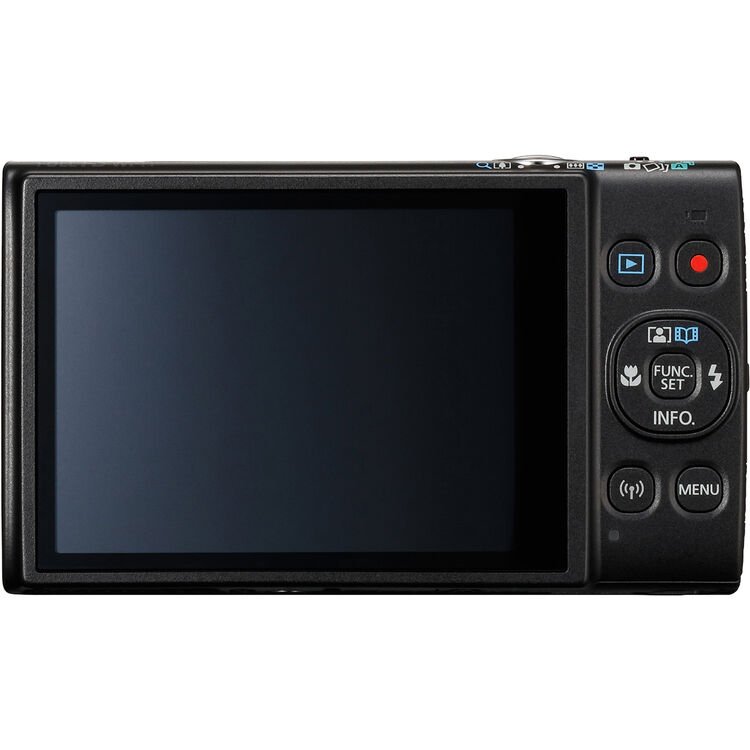
Control Layout: The controls are sparse and intuitive, making it highly accessible for beginners. The top plate houses only the power button, the shutter button with an integrated zoom rocker, and a dedicated Mobile Device Connect button. The rear is dominated by the large, fixed 3-inch LCD screen (approximately 461,000 dots), which, while not touch-sensitive or articulating, is bright enough for most conditions. The four-way directional pad handles menu navigation, flash settings, and display mode, keeping interaction smooth and fast. The simplicity of the control scheme ensures that users spend less time fumbling with settings and more time capturing moments, aligning perfectly with its point-and-shoot philosophy.
Core Imaging Technology: The HS System and Processor
At the heart of the ELPH 360 HS is the Canon HS SYSTEM. This system is comprised of two key components: the 20.2 Megapixel High-Sensitivity CMOS sensor and the DIGIC 4+ Image Processor.
20.2 Megapixel CMOS Sensor: The sensor is a 1/2.3-inch type, a standard size for compact cameras. While physical size limits ultimate light-gathering capability compared to larger formats, the “High-Sensitivity” nomenclature indicates that Canon has prioritized pixel quality and noise reduction performance, particularly in sub-optimal lighting. A 20.2MP resolution provides plenty of detail for standard printing and aggressive cropping, but the real benefit of the CMOS over older CCD sensors is the improved speed and superior signal-to-noise ratio in low light. The sensor’s back-illuminated design helps capture more light, making the camera perform respectably in evening or indoor scenarios where a basic smartphone might struggle with excessive digital noise.
DIGIC 4+ Image Processor: This is where the camera shows its age. The DIGIC 4+ processor, while efficient, is several generations older than Canon’s contemporary DIGIC 8. It handles all computational tasks: noise reduction, color processing, lens corrections, and shooting speed. Its primary limitation is seen in burst shooting speed and video capabilities (capped at 1080p Full HD rather than 4K). However, for casual use, the processor is optimized to deliver Canon’s trademark rich, accurate color science and reliable exposure metering, ensuring pleasing JPEGs straight out of the camera. The efficiency of the DIGIC 4+ is also a factor in its decent battery life.

The Versatile Lens System: 12x Optical Zoom and Intelligent IS
The most compelling reason to choose a camera like the ELPH 360 HS over a smartphone is its 12x Optical Zoom lens. This lens offers a highly versatile focal range equivalent to 25–300mm in 35mm terms.
- 25mm Wide Angle: Excellent for expansive landscapes, group photos in tight spaces, and architectural shots. It offers a field of view significantly wider than many compact rivals.
- 300mm Telephoto: The ability to pull distant subjects close is transformational for travel and nature photography. Capturing details of landmarks across a harbor or a distant performer at a concert is effortless, something a smartphone’s purely digital zoom cannot replicate without severely compromising quality.
Intelligent IS (Image Stabilization): Telephoto shooting is inherently susceptible to camera shake, which is why the stabilization system is arguably the lens’s most critical partner. Canon’s Intelligent IS technology automatically analyzes the shooting scenario and applies the most appropriate of eight stabilization modes (including Normal, Panning, Macro, and Tripod). For example, when zooming in, the system switches to a highly effective mode designed to counteract major hand jitter, ensuring that the 300mm telephoto shots remain sharp and useable. This active, adaptive stabilization is a huge advantage and a key differentiator from budget models.
Image Quality, Creative Modes, and Video
In bright, well-lit conditions, the ELPH 360 HS produces clean, vibrant images. Canon’s reputation for excellent color rendition holds true; colors are saturated but natural, and skin tones are rendered accurately. Detail is strong at the base ISO (ISO 80/100). The camera also excels in its automated scene detection, reliably identifying subjects and environments to adjust exposure and white balance accordingly.
Low-Light Performance: While the HS System is an asset, the small sensor size eventually hits its limit. Noise becomes visible starting around ISO 800 and increasingly noticeable at ISO 1600 and above. For casual social sharing, the output is perfectly acceptable, but for serious post-processing, it’s best to keep the ISO below 800 if possible.
Creative Shot Mode: A defining feature of the ELPH series, the Creative Shot mode takes a single image and automatically generates five additional, randomly styled images using different crops, color filters, and artistic effects. This feature is perfect for casual users looking for instant, varied, and unique results to share immediately.
Video: The camera records video at 1080p Full HD resolution at 30 frames per second (fps). While this is not the modern standard of 4K, 1080p is sufficient for viewing on standard TVs and social media. The video quality is smooth, benefits from the optical zoom, and crucially utilizes the dynamic IS mode for stable handheld footage while walking.

Performance, Connectivity, and Battery Life
Performance: The startup time is reasonably quick, and shot-to-shot recovery is acceptable for a camera in this class. Continuous shooting is available, but the DIGIC 4+ processor limits the burst rate, which is not designed for capturing fast action but is perfectly fine for capturing sequence shots of children or pets.
Connectivity (Wi-Fi and NFC): The inclusion of built-in Wi-Fi and NFC is essential for modern use. Users can quickly connect the camera to a smartphone via the Canon Camera Connect app to transfer images wirelessly for immediate sharing. The NFC functionality further simplifies pairing with compatible Android devices with a simple tap. The camera also supports remote shooting via the app, adding versatility for group photos or creative angles.
Battery Life: The ELPH 360 HS uses the NB-6LH rechargeable lithium-ion battery. Canon rates the battery for approximately 210 shots per charge, which is standard for a slim compact camera but not exceptional. For heavy users or all-day sightseeing, carrying a spare battery is highly recommended, especially since the camera requires an external charger rather than charging via a USB port.
Final Verdict
The Canon PowerShot ELPH 360 HS is a testament to the enduring appeal of the true point-and-shoot camera. It is not designed to replace a professional setup or compete with the low-light prowess of the latest smartphone sensor arrays. Instead, it occupies a crucial niche: a camera that excels where smartphones falter—optical zoom, dedicated physical controls, and superior battery life compared to using a phone for all your photography.
It is an ideal choice for the casual photographer, the traveler who wants a discreet, compact zoom lens without the weight penalty, or anyone seeking a reliable, simple device that consistently produces beautiful, print-worthy JPEGs. While the lack of 4K video and a touch screen show its age, its 12x zoom and proven Canon color science ensure the ELPH 360 HS remains a highly functional and worthwhile purchase for those who value capability and convenience above bleeding-edge features.
Canon PowerShot ELPH 360 HS: Pros and Cons
| Category | Pros (Strengths) | Cons (Weaknesses) |
| Optics & Image | 12x Optical Zoom (25mm–300mm equivalent) is highly versatile for travel. | Image quality struggles noticeably in very low light (high ISO noise). |
| Performance | Excellent Canon color science and reliable exposure metering. | Older DIGIC 4+ Processor limits burst shooting speed. |
| Portability | Extremely compact and lightweight; true pocketability. | Fixed LCD screen is neither touch-sensitive nor articulating. |
| Features | Highly effective Intelligent IS (Image Stabilization) across the zoom range. | Lacks 4K video recording (max is 1080p Full HD @ 30fps). |
| Usability | Simple, intuitive control layout perfect for beginners. | Requires external battery charger; no USB charging. |
| Connectivity | Built-in Wi-Fi and NFC for easy transfer and remote control. | |
| Value | Excellent balance of features, performance, and price point. |
Competitor Comparison Chart: Compact Cameras (Same Class)
The PowerShot ELPH 360 HS (often compared to its rivals from Nikon and Sony) typically competes in the sub-$300 compact camera space, focusing on max zoom and portability.
| Feature | Canon PowerShot ELPH 360 HS | Nikon Coolpix A900 | Sony Cyber-shot DSC-WX350 |
| Sensor | 20.2MP CMOS (1/2.3-inch) | 20.3MP CMOS (1/2.3-inch) | 18.2MP Exmor R CMOS (1/2.3-inch) |
| Optical Zoom | 12x (25–300mm equiv.) | 35x (24–840mm equiv.) | 20x (25–500mm equiv.) |
| Video Resolution | 1080p Full HD (30fps) | 4K UHD (30fps) | 1080p Full HD (60fps) |
| Image Stabilization | Intelligent IS (Optical) | Hybrid VR (Optical + Electronic) | Optical SteadyShot |
| Weight (Approx.) | 5.1 oz (147g) | 11.8 oz (334g) | 5.8 oz (164g) |
| Touchscreen | No (Fixed LCD) | No (Articulating LCD) | No (Fixed LCD) |
| Key Advantage | Superior pocketability and reliable color science. | Massive 35x zoom range and 4K video capability. | Excellent battery life (rated around 470 shots) and fast AF. |
Read all our amazing Photography Gear Reviews here
Photography
Canon EOS R6 Mark III Anticipated Review: The Hybrid Powerhouse
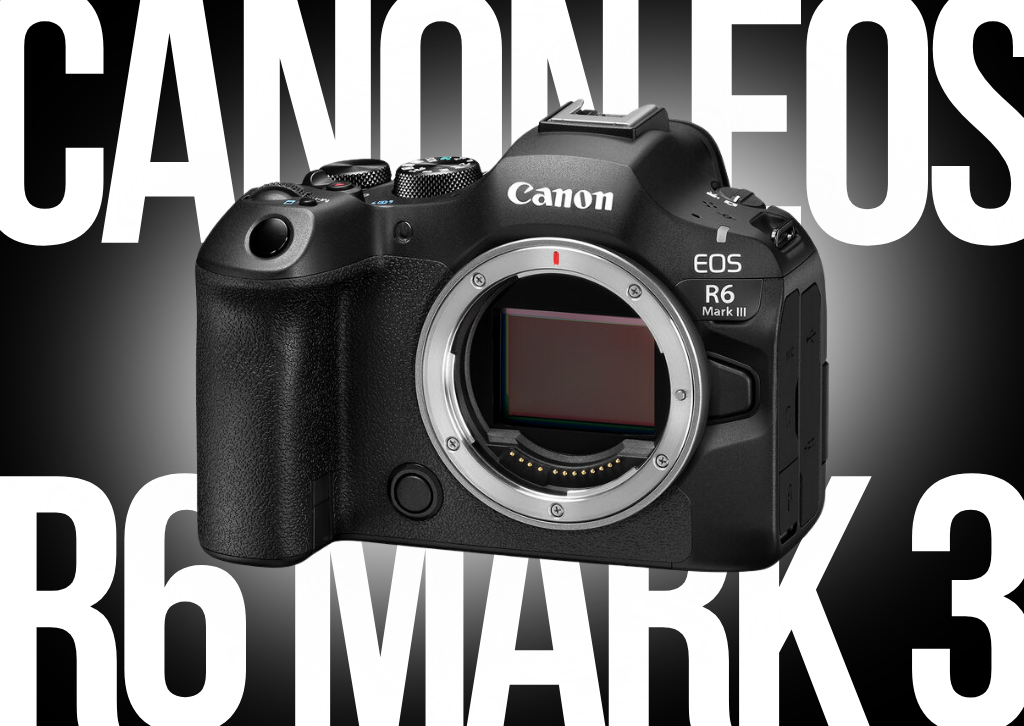
Introduction: The Weight of Expectation
The Canon EOS R6 series has consistently defined the accessible “workhorse” segment of the full-frame mirrorless market. The original R6 offered incredible speed and autofocus, and the R6 Mark II refined this with a new 24.2MP sensor and significant video upgrades. Now, the anticipation surrounding the EOS R6 Mark III is immense. It is expected to not just iterate, but to fundamentally shift the balance of power in the hybrid shooter space, challenging the segment dominance long held by Sony’s A7 line.
The Mark III is rumored to incorporate key technologies previously reserved for higher-tier cameras, bringing a truly professional feature set—especially concerning speed and advanced video codecs—to a price point accessible to serious enthusiasts, wedding photographers, videographers, and content creators needing a single, reliable body. If the rumors hold true, the R6 Mark III will solidify Canon’s position as the leading innovator in high-performance hybrid systems.
1. Core Technological Leap: The Sensor and Processor
The heart of the R6 Mark III is speculated to be a new sensor and processor pairing that dramatically elevates its performance ceiling.
The Sensor: Speed, Resolution, and Rolling Shutter
The primary rumor suggests an evolution of the 24.2MP full-frame sensor seen in the R6 II, possibly transitioning to a partially stacked or backside-illuminated (BSI) design coupled with the latest DIGIC X processor.
- Expected Resolution: While some speculation points to a jump to 30MP or 32MP to match the R5’s resolution territory, the more likely scenario for a speed-focused “6” series is maintaining a pixel density near 26MP to 28MP. This preserves the excellent low-light performance and high readout speed critical for video and rapid shooting.
- The Rolling Shutter Challenge: The most significant expected upgrade is a dramatically reduced rolling shutter effect when using the electronic shutter. By leveraging faster sensor readout times (a hallmark of stacked designs), the R6 III aims to make the 40fps electronic shutter mode truly usable for sports, events, and action photography without the characteristic distortion of vertical lines.
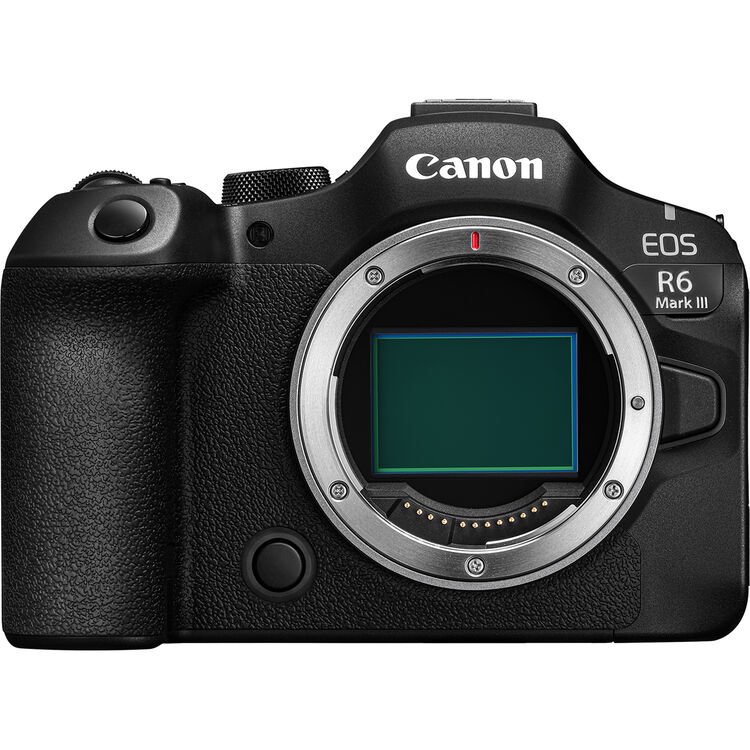
Processing Power: DIGIC X Advancement
Canon is expected to employ a next-generation or highly optimized iteration of the DIGIC X processor. This enables two crucial features:
- High-Bitrate Codecs: Necessary for the rumored 6K video capability and higher frame rates in 4K.
- Advanced Deep Learning AF: Providing the computational horsepower for the latest iteration of Canon’s subject detection system.
2. Unrivaled Autofocus and Speed
The R6 Mark III is expected to cement its reputation as a performance beast, specifically through advancements in focusing and sustained burst rates.
Dual Pixel CMOS AF II: The AI Generation
Canon’s Dual Pixel CMOS AF II system is already best-in-class, but the Mark III is anticipated to introduce a new layer of subject detection, likely on par with or exceeding the capabilities of the EOS R5.
- Expanded Subject Recognition: Beyond humans (eye, face, body), animals (dogs, cats, birds), and vehicles (cars, motorcycles), the R6 III is rumored to include new detection categories, potentially encompassing niche subjects like planes, trains, and more diverse fauna. This intelligence significantly reduces focus hunting and improves tracking reliability.
- Low-Light Sensitivity: Expect an improvement over the R6 II’s already impressive -6.5 EV sensitivity, pushing closer to -7.0 EV or beyond, making focusing in near-dark conditions almost instantaneous.
Shooting Speed: Sustaining the Frenzy
While the R6 Mark II offered a blistering 40fps electronic shutter, the Mark III is expected to focus on sustainability and usability at those speeds.
| Shooting Mode | R6 Mark II | R6 Mark III (Expected) | Improvement Focus |
|---|---|---|---|
| Electronic Shutter | 40 fps | 40 fps (with reduced Rolling Shutter) | Image Quality / Distortion Reduction |
| Mechanical Shutter | 12 fps | 15 fps | Incremental Burst Rate Increase |
| Buffer Depth | Approx. 100+ RAW/JPEG | Significantly Deeper (300+ RAW) | Sustained Professional Use |
A vastly improved buffer is critical for professional use cases like photojournalism and sports, ensuring the camera doesn’t slow down during peak action. The integration of dual, high-speed CFexpress Type B slots (or at least one CFexpress B slot paired with a fast SD UHS-II) is a possibility to manage the massive data load generated by high-resolution, high-frame-rate shooting.

3. Video Specifications: The 6K Evolution
This is where the R6 Mark III is expected to make its most significant jump, positioning it as a serious contender against dedicated cinema cameras for small-scale productions.
The Move to 6K
The most persistent rumor is the inclusion of 6K DCI/UHD video recording, likely oversampled from the full sensor width. This would be a massive leap in creative flexibility, allowing for reframing, cropping to 4K, and delivering superior image quality in the final output.
| Feature | R6 Mark II | R6 Mark III (Expected) |
|---|---|---|
| Max Resolution | 4K 60p (Uncropped) | 6K 60p (Full Width Oversampled) |
| High Frame Rate 4K | 4K 120p (Cropped/Line-Skipped) | 4K 120p (Full Width, Higher Quality) |
| Internal Codecs | 10-bit 4:2:2 C-Log 3 | Internal RAW/CRM Light (5K/6K) |
| Overheating | Excellent, but can warm up at 4K/120p | Improved Thermal Management |
Internal RAW and Codec Depth
The ability to record Internal Cinema RAW Light at 6K, even with minor frame rate limitations, would be a game-changer. This high-efficiency RAW format gives filmmakers maximum dynamic range, color grading flexibility, and post-production latitude, eliminating the need for bulky external recorders for many high-quality shoots.
Thermal Management
Crucially, Canon has refined its thermal strategies since the R5 launch. The R6 Mark III is expected to offer class-leading heat dissipation, enabling extended 4K 60p and perhaps even 6K 30p recording sessions without the forced shutdowns that plagued earlier generation mirrorless cameras.
4. Ergonomics, IBIS, and Connectivity
The EOS R6 Mark III will likely maintain the highly praised ergonomic language of the R6 series while adding subtle, workflow-enhancing improvements.
In-Body Image Stabilization (IBIS)
While the R6 II offered up to 8 stops of stabilization with coordinated control (IBIS + OIS), the R6 III is expected to feature a more advanced, computationally assisted IBIS system. This rumored system may leverage sensor-shift capabilities not just for static stabilization but also for features like Pixel-Shift Multi-Shot mode, offering ultra-high-resolution files (e.g., 100MP+) for still-life and landscape applications—a feature currently seen in competitors.

Physical Design and EVF
The physical form factor will be familiar, emphasizing the deep grip and robust, weather-sealed build. Rumored changes include:
- Higher Resolution EVF: A jump from the R6 II’s 3.69 million dots to a sharper 5.76 million dot electronic viewfinder would provide a noticeably clearer and more immersive shooting experience, particularly crucial for checking focus accuracy.
- Improved Rear Screen: While the fully articulating screen will remain, a brighter, higher-resolution panel is expected for better outdoor visibility.
Connectivity
The R6 III is expected to fully embrace the modern connected workflow:
- Dual-Band Wi-Fi (5GHz): Essential for fast wireless transfer of large video and RAW files to cloud services or client devices.
- USB-C 3.2 Gen 2: Enabling rapid tethered shooting and faster in-camera battery charging.
- Pro-Grade Ports: Full-size HDMI output for reliable external monitoring, professional audio inputs, and timecode synchronization capabilities would round out its pro video credentials.
5. Detailed Pros and Cons Analysis
This chart summarizes the anticipated strengths and weaknesses of the Canon EOS R6 Mark III based on current speculation and competitive trends.
| Category | Pros (Anticipated Strengths) | Cons (Anticipated Weaknesses) |
|---|---|---|
| Sensor & Speed | – Ultra-low rolling shutter, making 40fps e-shutter fully usable. | – Resolution may be capped at 26-28MP, potentially less than some rivals. |
| – Vastly improved buffer depth (300+ RAW) for sustained action. | – Likely higher price point than the R6 Mark II launch price. | |
| Autofocus | – Next-generation AI-powered Deep Learning AF with expanded subject tracking (Planes, Trains). | – Dual Pixel AF, while superb, requires dedicated RF lenses for max performance. |
| – Exceptional low-light AF sensitivity (-7.0 EV or better). | – Potential complexity of new AF menus for first-time users. | |
| Video | – Internal 6K 60p (Full-sensor oversampled). | – 6K Internal RAW recording will generate extremely large file sizes. |
| – Internal Cinema RAW Light for maximum grading flexibility. | – Heat management, while improved, will remain a concern for continuous 6K recording in extreme environments. | |
| – High-quality 4K 120p full-sensor readout. | – Crop likely necessary for 4K 120p at the very highest quality settings. | |
| Ergonomics & Build | – Proven, comfortable R-series ergonomics and deep grip. | – Lacks the integrated vertical grip or professional connectivity ports of the R3/R5 C. |
| – High-resolution 5.76M-dot EVF and improved rear LCD. | – Still requires a separate battery grip for extended portrait shooting. | |
| Miscellaneous | – Potential inclusion of Pixel-Shift Multi-Shot mode for ultra-high-res stills. | – Dependence on the growing but still expensive RF lens ecosystem. |
6. Competitor Comparison Chart
The R6 Mark III is positioned to directly compete with the strongest hybrid cameras from Sony and Nikon in the $2,500 – $3,500 USD body-only bracket. We compare the anticipated R6 Mark III specs against the current established benchmark, the Sony a7 IV, and the anticipated Nikon Z6 III.
| Feature | Canon EOS R6 Mark III (Anticipated) | Sony Alpha a7 IV (Current) | Nikon Z6 III (Anticipated) |
|---|---|---|---|
| Sensor Resolution | 26-28MP BSI/Partially Stacked | 33.0MP BSI-CMOS | 24.5MP BSI-CMOS (Possible Partial Stack) |
| Max Still Speed (e-shutter) | 40 fps (Low Rolling Shutter) | 10 fps (Compressed RAW/JPEG) | 20 fps (Lossless/High-Efficiency RAW) |
| Max Video Resolution | 6K 60p (Internal RAW Light) | 4K 60p (S35 Crop) | 6K 60p (N-RAW/ProRes RAW) |
| High Frame Rate 4K | 4K 120p (Full Width) | 4K 60p (S35 Crop) | 4K 120p (Full Width) |
| Autofocus System | Deep Learning Dual Pixel AF II (Expanded Subject Recognition) | Real-Time Tracking AF (Deep Learning) | 3D Tracking AF (Expanded AI Subject Detection) |
| EVF Resolution | 5.76 Million Dots | 3.69 Million Dots | 5.76 Million Dots |
| Card Slots | Dual SD UHS-II or 1x CFexpress B / 1x SD UHS-II | 1x CFexpress A / 1x SD UHS-II | 1x CFexpress B / 1x SD UHS-II |
| Log/RAW Video | C-Log 3, Internal RAW Light | S-Log 3, 10-bit S-Cinetone | N-Log, Internal N-RAW/ProRes RAW |
| Primary Advantage | Unrivaled Speed & Superior Internal Video Codecs | High 33MP Resolution & Vast Lens Ecosystem | Excellent Ergonomics & Dedicated Video Focus (Pending) |
7. Analysis of Market Positioning and Value
If the anticipated features—especially internal 6K RAW and the highly reduced rolling shutter at 40fps—are delivered, the R6 Mark III will command a premium price point, likely launching above $2,800 USD body-only.
Hybrid Performance Redefined
The key differentiator for the R6 III lies in its ability to deliver true professional video codecs and speed in a compact body. The introduction of 6K Internal RAW means that users no longer have to compromise on grading latitude or image quality. This feature, traditionally found in much more expensive cinema cameras (like the R5 C), brings Hollywood-level post-production flexibility to the masses.

The Ecosystem Advantage
Canon’s RF lens ecosystem has matured rapidly, offering a compelling blend of high-end L-series primes and zooms alongside affordable, high-quality non-L lenses (e.g., the RF 24-105mm f/4-7.1 IS STM). The R6 Mark III will benefit from this rich, deep lens lineup that offers fast apertures and exceptional optical performance, which is paramount to leveraging the camera’s cutting-edge AF and sensor.
Conclusion: The New Hybrid Standard
The Canon EOS R6 Mark III is shaping up to be more than just an iteration; it’s an evolution that borrows heavily from the flagship R3 and R5 lines, packaging professional-grade speed, resolution, and video capability into Canon’s most popular form factor.
For the advanced enthusiast or the full-time hybrid professional—the wedding shooter, the documentarian, or the high-volume event photographer—the R6 Mark III promises to be the single most versatile tool on the market. The combination of a 40fps electronic shutter with minimal rolling shutter, coupled with internal 6K RAW recording, effectively eliminates the need to choose between a dedicated photo camera and a dedicated video camera.
While the exact pricing and confirmed specs are pending, the consensus is clear: the R6 Mark III will not just meet expectations, it will redefine them, setting the new benchmark for the hybrid mirrorless segment.
Final Verdict:
Verdict: The Canon EOS R6 Mark III, if it fulfills the promise of internal 6K RAW and ultra-fast, low-rolling-shutter performance, will be the undisputed champion of the hybrid camera segment, offering the best balance of speed, video capability, and professional ergonomics in its class. It is the camera professionals will upgrade to, and the benchmark competitors will be chasing.
Read all our amazing Photography Gear Reviews here


DeleteMe: Your Digital Privacy Guardian in an Age of Data Exploitation

The Mid-Range Redefined: A Comprehensive Review of the Nikon Z6 III

The Canon PowerShot ELPH 360 HS: A Deep Dive into the Pocket-Sized Powerhouse

Sony FE 16mm f/1.8 G Review: The Ultra-Wide Prime for the Modern Creator

Clash of the Titans: 13″ iPad Pro M4 vs. Samsung Galaxy Tab S10 Ultra – Which Premium Tablet Reigns Supreme?

The Guardian of Your Threshold: An In-Depth Review of the Google Nest Doorbell
-
 Photography1 year ago
Sony FE 16mm f/1.8 G Review: The Ultra-Wide Prime for the Modern Creator
-
 Tablets1 year ago
Clash of the Titans: 13″ iPad Pro M4 vs. Samsung Galaxy Tab S10 Ultra – Which Premium Tablet Reigns Supreme?
-
 Home Tech1 year ago
The Guardian of Your Threshold: An In-Depth Review of the Google Nest Doorbell
-

 Computers1 year ago
Asus ProArt Display 6K PA32QCV Review: A Visual Feast for Professionals
-

 Computers1 year ago
ASUS Zenbook Duo: A Pretty Awesome Dual-Screen Laptop
-

 Photography1 year ago
Adobe’s “Project Indigo” is the iPhone Camera App We’ve Been Waiting For, and It’s Awesome
-

 Home Tech1 year ago
Revolution R180 Connect Plus Smart Toaster: More Than Just Toast?
-

 Photography1 year ago
DJI Osmo 360 go: The Next Generation of Immersive Storytelling?
-

 Health Tech1 year ago
Lumen Metabolism Tracker: A Deep Dive into Your Metabolic Health
-

 Computers1 year ago
Apple Mac Studio Review: A Desktop Powerhouse Redefined
-

 Computers1 year ago
Samsung 15.6” Galaxy Book5 360 Copilot AI Laptop: A Deep Dive into the Future of Productivity
-

 Wearables1 year ago
Bowers & Wilkins Pi8 McLaren Edition Review: A Supercar for Your Ears?